





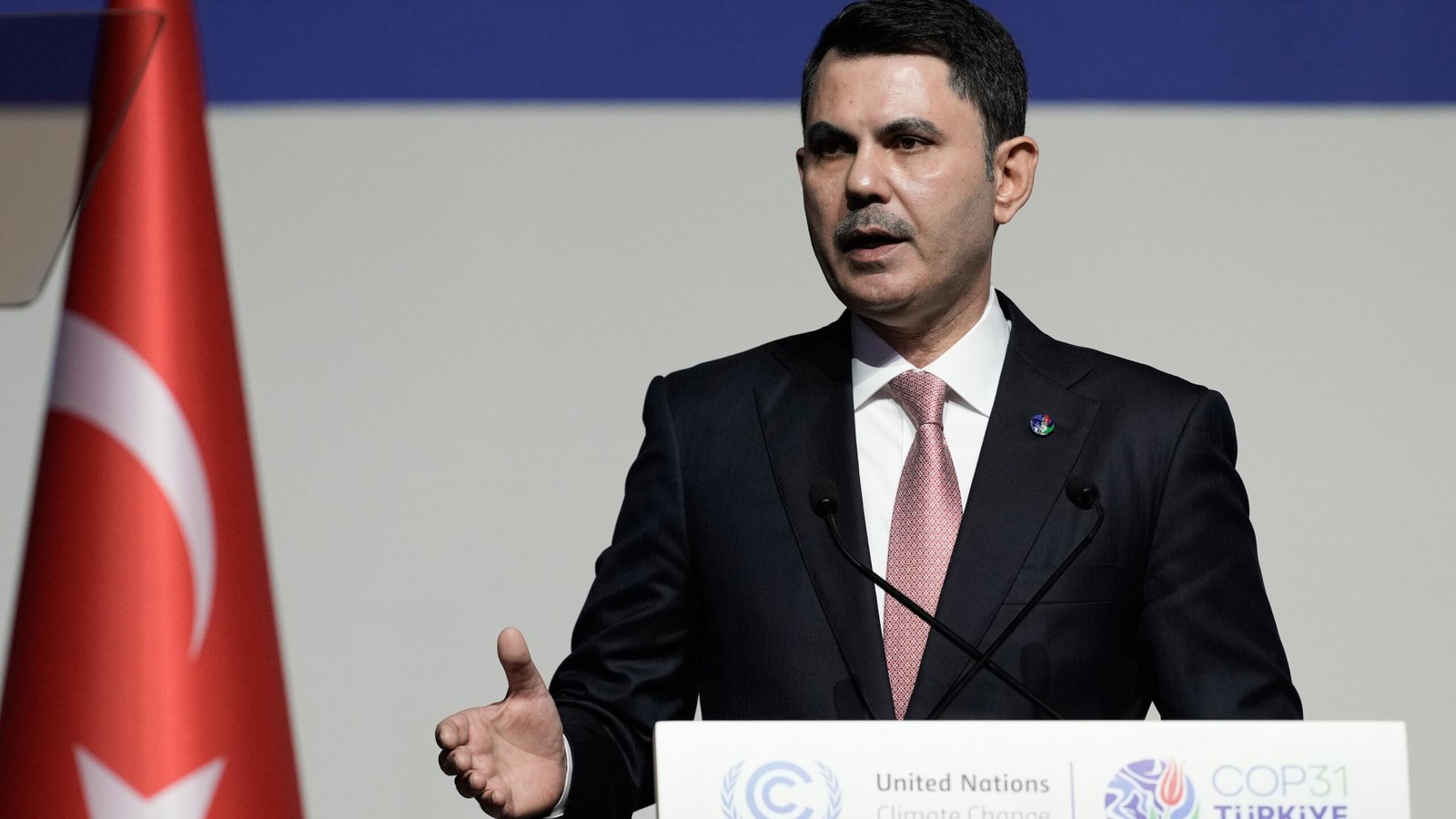
“Despite the range of expectations among states going into COP31, no delegation left believing it had been a win,” says Lavanya Rajamani, a professor of international environmental law at the University of Oxford who helped draft the Paris Agreement.
For Rajamani, the impasse shows how far apart the science and the politics of climate action have become.
“While such divergences are not new to the process, the gap has never been wider,” she says.
The world is on track to imminently exceed 1.5°C of warming, Rajamani adds, just as governments are showing a “rapidly dwindling appetite” for difficult and potentially costly action. That puts growing strain on a summit built around consensus.
What is COP31?
The Conference of the Parties (COP) is the annual meeting of countries that are party to the United Nations Framework Convention on Climate Change.
The U.N. climate summit originated in Berlin in 1995. The host location typically rotates, with recent summits taking place in Dubai, United Arab Emirates (2023); Baku, Azerbaijan (2024); and Belém, Brazil (2025). COP31 was scheduled for Nov. 9 through Nov. 20 in Antalya, but overtime extended the summit some 50 hours through Sunday. It was the longest overrun in the history of the U.N. climate talks.