







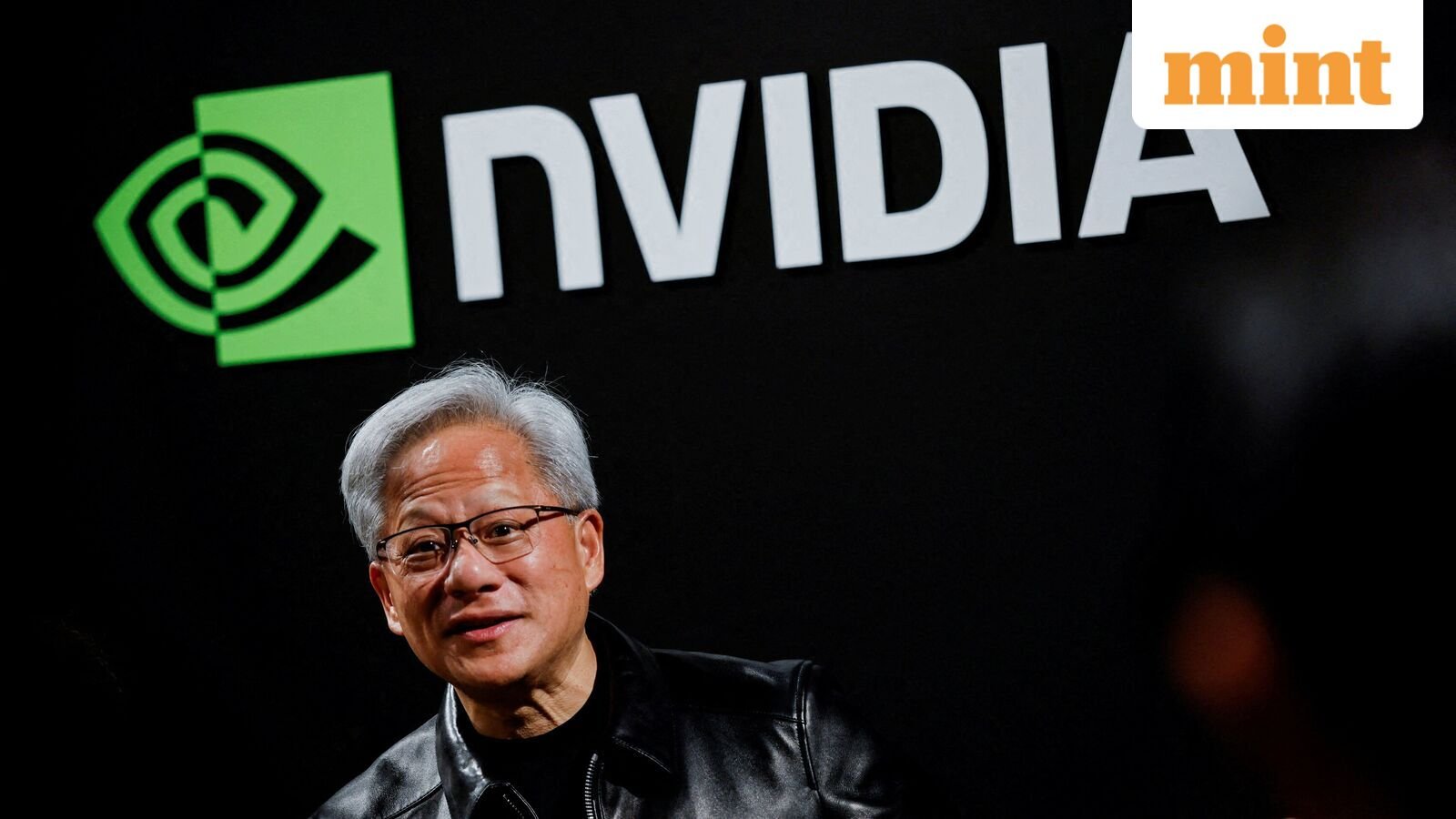
Nvidia’s investments in private and public companies have climbed to $65.5 billion, raising questions about whether the chipmaker will continue its aggressive startup funding strategy following Jensen Huang’s departure. The figures were revealed in the company’s third-quarter financial results for 2027 on Tuesday, 17 November. The recent assessment represents an increase over the $22 billion reported in January 2026, reflecting new investments and higher valuations of the portfolio companies.
In recent years, the company has been leveraging its financial resources to fuel the development of AI infrastructure, new AI models and data centre capacity. Meanwhile, the company is planning a leadership change, and interim CEO Colette Kress is taking a more conservative stance on investing, leaving startups and venture capital investors unsure whether Nvidia-backed funds will be available.
Nvidia invested $58 billion in equities in nine months
Nvidia’s equity investment of $16 billion in the third quarter alone is reported in its 17 November financial disclosures. For the first nine months of FY 2027, it had invested a total of $58 billion in equity investments. These are the values of the investments made in public and private companies.
The money is a significant increase from last fiscal year. Nvidia reported spending just $5 billion on equity investments during the first nine months of fiscal 2026, ending in October 2025. The new numbers illustrate the company’s aggressive growth strategy in both investments and demand for AI computing power.
AI startups and data centre companies among key investments
Nvidia has backed nearly 350 startups over the past three years, according to PitchBook data cited by TechCrunch. It’s home to AI startups like Anthropic and OpenAI, as well as new AI research startups like Thinking Machines and Reflection.
The company also has investments in cloud infrastructure providers such as Lambda, Nscale and Crusoe, as well as robotics and AI application developers. Nvidia stated in a corporate investment strategy announcement in December 2023 that its investments would be used to position itself as a leader in the AI ecosystem and to help the companies it sees as potential leaders.
In addition to the startup investments, Nvidia has also been a significant contributor towards funding AI infrastructure. The company showed $118 billion in guarantees, including $105 billion in backing tied to OpenAI’s proposed $500 billion data centre development in Ohio.
Colette Kress signals a more cautious investment strategy
After Huang’s resignation, Nvidia’s investment strategy might shift. According to TechCrunch‘s 17 November report, investors expect Kress to adopt a more conservative approach to startup funding. This may result in a reduction in new investments and in the size of the commitments to the companies that Nvidia already has in its portfolio.
During the 17 November earnings call, Kress said the company would continue supporting financially strong customers. As more funding sources enter the market, Nvidia will make careful assessments of future investments, commitments and guarantees, she added.
Kress added that Nvidia plans to return all free cash flow, excluding strategic needs, to shareholders in the fourth quarter and in future quarters.
Venture capital firms expect a potential funding slowdown
Nvidia’s succession has sparked worries among the AI startup community. A 13 November report by TechCrunch, citing venture capitalists and startup founders, highlighted fears that Huang’s departure could create a significant funding gap for emerging AI companies.
Huang had been the key figure behind Nvidia’s investment growth, and the company has emerged as one of the most significant investors in AI. It is unclear whether Kress and Nvidia’s next full-time CEO will be as aggressive in their investments as they have been.
Venture capitalists and AI startups are eyeing a possible cutback in venture capital funding from the largest corporate investor.