








Few moments in gaming feel quite like the second before a reveal. The animation spins, the colors flash, and for a heartbeat anything seems possible. That small burst of anticipation explains why unboxing has grown from a niche mechanic into one of the most recognizable parts of modern gaming culture.
Today you can find it almost everywhere. Gamers open weapon cases in shooters, pull heroes in mobile gacha games, crack digital card packs in sports titles and watch creators do the same on YouTube, Twitch and TikTok. In the Philippines, where mobile gaming and streaming are part of daily life for millions, the format feels especially familiar. To understand why it caught on, it helps to look at where it came from and what keeps people coming back.
The roots of the reveal
The appeal of opening something sealed is much older than video games. Collectors have torn open trading card packs for decades, hoping for a rare holographic card. In Japan, gachapon capsule toy machines have long turned a coin and a twist of the handle into a small surprise, and the word later gave its name to the gacha games so popular across Asia.
The internet added an audience. Unboxing videos of new phones, consoles and graphics cards became a staple of YouTube in the late 2000s, and tech fans happily watched someone else peel off the plastic film. Gaming simply digitized the experience, making the box virtual, the reveal instant and the contents part of the game itself.
How Counter-Strike made cases mainstream
If one game turned digital unboxing into a cultural phenomenon, it was Counter-Strike. The 2013 Arms Deal update for CS:GO introduced weapon cases and the cosmetic skins inside them. Gamers received cases through gameplay but needed a key to open them, and every opening played out on a spinning reel that slowed down before landing on an item.
The skins changed nothing about how a weapon performed, yet they quickly became status symbols. Rarity tiers, wear levels and patterns gave each item its own identity, and the Steam Community Market let gamers buy and sell them. When Counter-Strike 2 replaced CS:GO in 2023, gamers kept their inventories, so a decade of collecting carried straight into the new game.
The numbers show how far it went. Reports put the Counter-Strike skin market at more than $4.3 billion in March 2025, and one AK-47 skin reportedly sold for over $1 million in 2024. Valve has also kept evolving the format: the Fever Case of March 2025 remains the most recent traditional case, with newer skins arriving through the Armory system and Terminal releases instead.
The psychology behind the thrill
Unboxing works because it taps into anticipation, which the brain often finds more exciting than the reward itself. The seconds before a reveal create tension, and the payoff, good or bad, resolves it. Designers build on this with sound effects, color-coded rarity and animations that slow down just as a rare item scrolls past.
Scarcity matters too. A drop that only one in hundreds of openings produces feels special precisely because most people will never get it, and the near miss of watching a rare item slide just past the marker keeps people curious about the next attempt. Then there is the social side: a lucky pull is something to screenshot, clip and share, and that moment of recognition from friends is part of the reward.
Unboxing as entertainment
Streaming turned unboxing into a spectator sport. Watching someone else open dozens of cases or packs lets viewers enjoy the suspense without spending anything themselves, and chat erupts whenever a rare item lands. Big reactions make for perfect highlight clips, which then travel across YouTube Shorts, TikTok and Facebook.
For creators, the format is reliable content: it is easy to understand, naturally dramatic and endlessly repeatable. For viewers, it builds a shared language of rarities, colors and famous pulls that ties gaming communities together, whether they play shooters, sports games or mobile titles.
Unboxing far beyond Counter-Strike
The mechanic has spread across almost every genre. Sports games build whole modes around opening player packs, hero shooters reward progress with loot boxes, and gacha games on mobile let gamers summon characters with in-game currency. Filipino gamers will recognize the same idea in lucky draws and limited-time skin events in popular mobile titles, where the chance of a rare cosmetic drives much of the excitement.
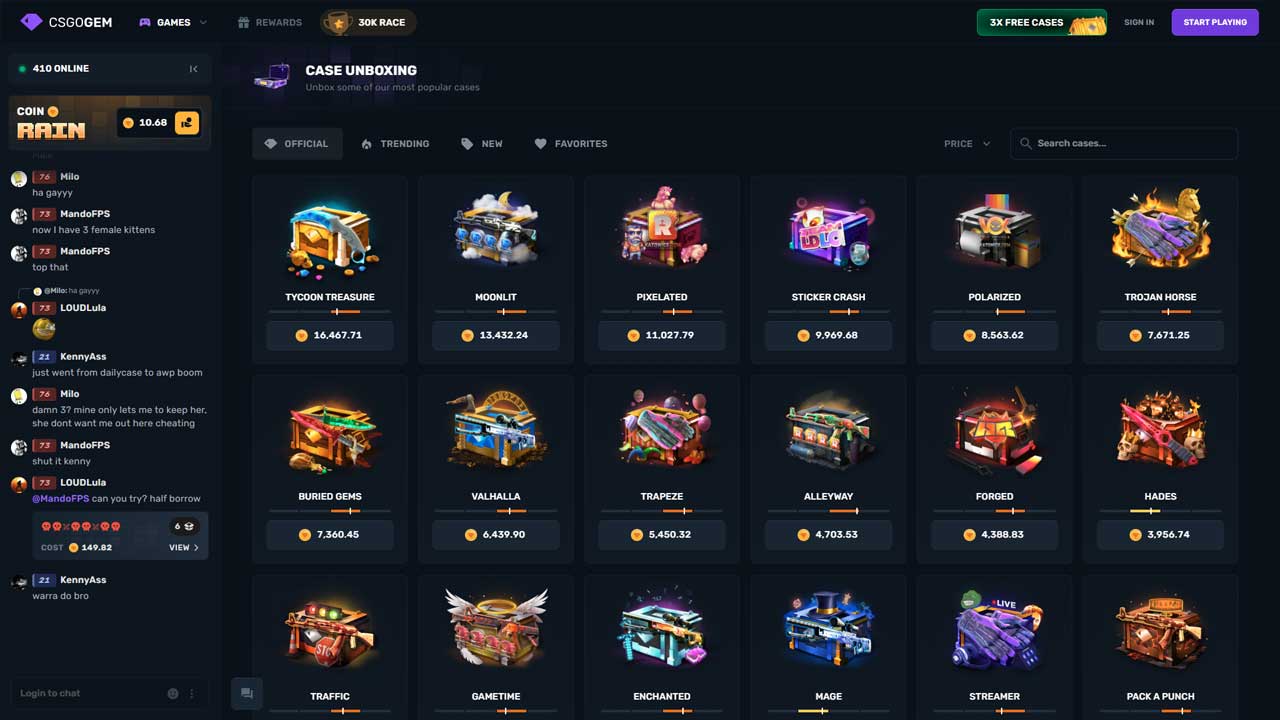
Counter-Strike still sets the template, though, and its community has grown a wider ecosystem around the format. Alongside opening cases in the game itself, gamers browse skin marketplaces, follow price trackers and visit third-party sites dedicated to cs2 case opening, where they can see a case’s contents and rarity tiers before deciding what to open. For many fans, studying a case’s possible drops has become a hobby in its own right.
Regulation and responsible play
Unboxing’s popularity has brought serious scrutiny. Because rare items can be sold for real money, regulators in several countries have asked whether paid loot boxes are a form of gambling. Belgium and the Netherlands pushed Valve to restrict case opening there, Australia now gives games with paid loot boxes a mature age rating, and China and South Korea require publishers to disclose drop odds.
The debate reached a new level in February 2026, when New York Attorney General Letitia James sued Valve, arguing that loot boxes in Counter-Strike 2, Dota 2 and Team Fortress 2 amount to illegal gambling and are especially harmful to children. The case is still ongoing.
For gamers, the lesson is simple. Treat unboxing as entertainment, never as a way to make money, and know the odds before you open anything. Set a budget, stick to it and walk away when the fun stops. Any site where real money is involved should be used only by adults, in line with local laws.
Conclusion
Unboxing became a pillar of gaming culture because it combines some of the oldest pleasures in play: suspense, rarity, collecting and showing off to friends. Counter-Strike turned that mix into a global phenomenon, and streaming carried it to audiences who simply enjoy watching the reveal.
As the format keeps evolving and regulators take a closer look, the appeal shows no sign of fading. The best way to enjoy it is the same as ever: savor the moment of the reveal, and keep it firmly in the category of fun.