








Netflix’s breakout K-pop girl group, HUNTR/X from “KPop Demon Hunters” (2025), had a side gig in demon hunting. Now, the streaming giant is scouring Korean high schools for its next star.
The obvious question is why the global streaming giant is jumping on the already burgeoning bandwagon of K-pop audition programs, and whether its endeavor can take off.
But as Netflix seeks its next breakthrough in the middle of an industrywide slowdown, the definition of success may go well beyond the number of people who tune in.
Netflix to debut ‘daughters’ with ‘We Go High’

Idol audition programs, widely referred to as “survival” shows in Korea, have launched some of K-pop’s biggest acts over the past decades. Members of girl groups formed through such shows on CJ ENM’s music channel Mnet, including I.O.I and izna, are often dubbed Mnet’s “daughters.” They also have “brothers,” such as Wanna One to ZeroBaseOne and Alpha Drive One.
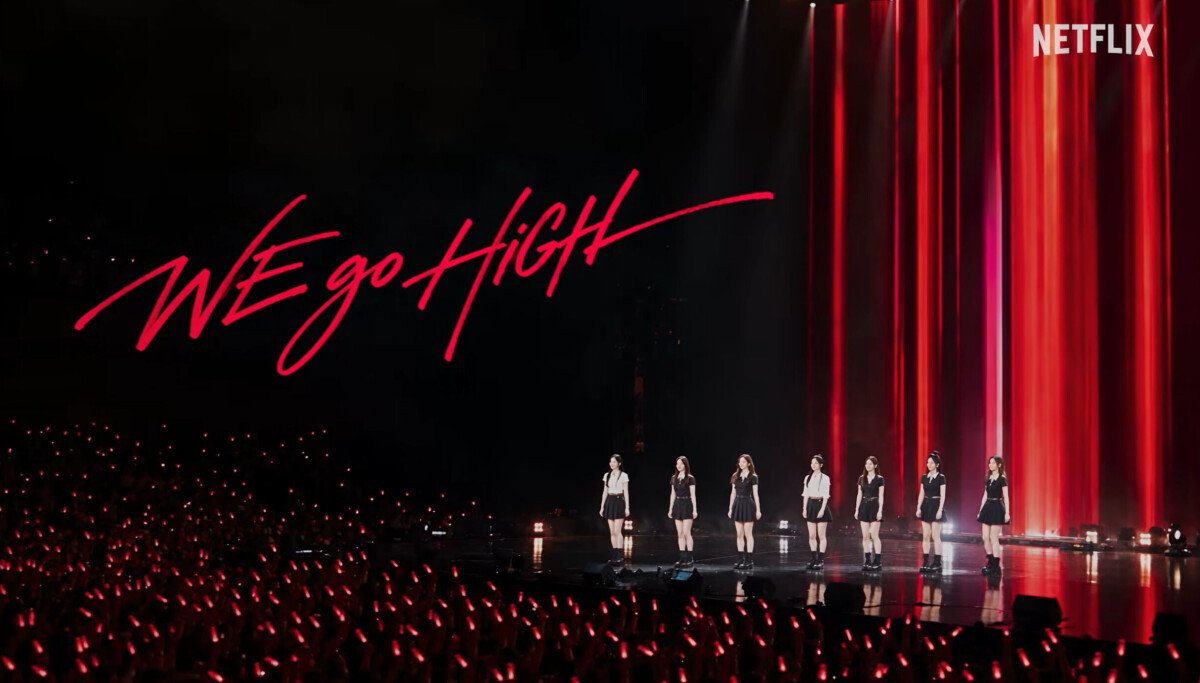
Now, Netflix is trying its hand at the format with “We Go High” to search for daughters of its own.
The show, announced on Oct. 21, is an audition program in which students from Korean arts schools compete to join a new girl group. First- and second-year students at arts high schools or high schools offering broadcasting-related programs, as well as those set to enroll in such schools in 2027, are eligible to apply.
Netflix has signed a memorandum of understanding with SM C&C, a content subsidiary of SM Entertainment, for the project. SM C&C will support the group beyond its debut, from training and production to management and global promotions.

In Korea, however, even the most high-profile idol audition programs have been drawing modest TV ratings at best. Mnet’s “Boys Planet” (2023), one of the most successful audition shows for idols in recent years, spent most of its run below 1 percent in nationwide ratings, peaking at 1.2 percent for its finale.
But the universal appeal was never the point for a survival show, as audition programs bet on a more specific audience — or, perhaps more specifically, on the enthusiasm unique to that specific cohort: K-pop fans.
JTBC’s audition program “R U Next?” (2023), for example, stayed below 1 percent in nationwide ratings throughout its run. Regardless, ILLIT, the girl group formed through the show, sold more than 380,000 copies of its debut EP, “Super Real Me” (2024), in its first week.
According to a source at a major content production company, the traditional metric for success matters little for a survival show.
“The format is appealing because [agencies] can discover artists and build a fandom [for them] at the same time,” said the source, requesting anonymity because they were not authorized to speak on the company’s behalf. “The competition itself used to be the focus, but these days, the contestants’ stories and personalities make the difference.”
And a platform such as Netflix can give a group a head start overseas by introducing contestants to a global audience, the source added.
Why Netflix wants a fandom
As Netflix faces intensifying competition for viewers’ time from platforms such as YouTube, sustaining audience engagement has become increasingly important for retaining subscribers and driving advertising revenue from its ad-supported tier.
The streamer’s third quarter revenue growth slowed to 11.8 percent on year, down from 17.6 percent in the final quarter of 2025, while global viewing hours grew just 2 percent in the first half of 2026.
“Our engagement is solid, but we know that we can do better,” Netflix Co-CEO Greg Peters said during the company’s October earnings call.
For Netflix, the appeal of K-pop may therefore extend well beyond the number of viewers that it attracts. Its deeply rooted fan culture offers sustained audience engagement, aligning with the fandom-driven marketing strategy that Netflix has long emphasized.
“What matters to [the company] is not simply awareness of a title but how people perceive it and the conversations that perception generates,” a Netflix Korea spokesperson said. “When fans talk about their favorite titles, recommend them to others or reinterpret them in their own ways, interest [in that content] continues even after the release.”
That loyalty can also generate revenue beyond subscriptions. A relative latecomer to merchandising, Netflix established its consumer products division in 2019 and has since expanded into licensing and live experiences, turning popular titles into commercial opportunities while giving fans more ways to engage with them.
Netflix Chief Marketing Officer Marian Lee told CNBC last year that the company balances products expected to generate revenue with those designed primarily to strengthen fans’ connection to its stories.
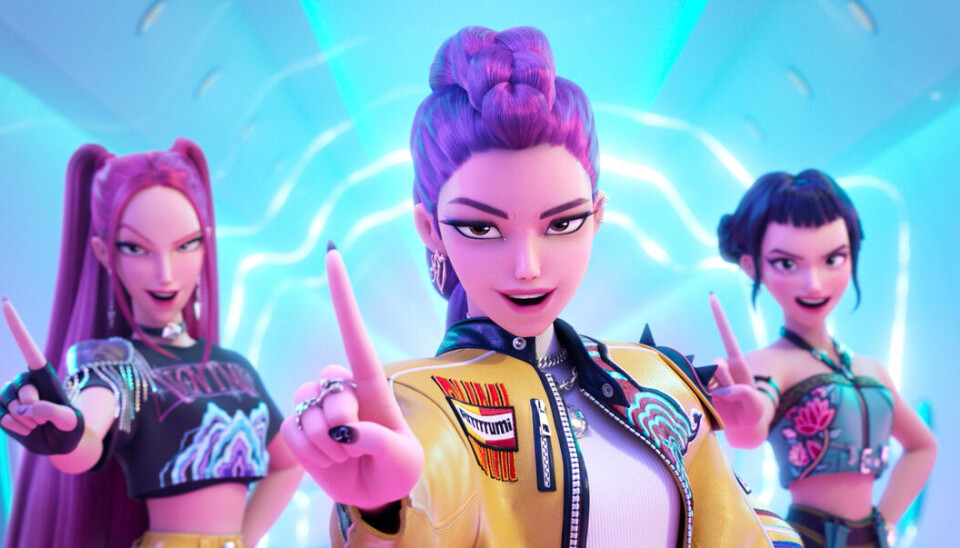
“KPop Demon Hunters” offers perhaps the clearest example of both the potential and limitations of that strategy. The animated feature became Netflix’s most watched film, surpassing 670 million views and spending 63 consecutive weeks on the platform’s global top 10. Its success spawned merchandise, sing-along screenings and immersive experiences. But with another installment not expected until 2029, sustaining interest remains a challenge.
A real K-pop group could offer a different model. Instead of depending on sequels or spinoffs, an active group can release music, perform and interact with fans, generating opportunities for engagement long after the show that introduced it has ended.
Whether those activities translate into more viewing or revenue for Netflix, however, depends on the streamer’s involvement in the group’s future activities — and the rights that it holds.
A global stage without owning the stars

With purple lights illuminating the stage and much of downtown Seoul cordoned off, Netflix mounted one of its most ambitious K-pop ventures in March: a global livestream of BTS’s comeback concert at Gwanghwamun Square.
The concert drew 18.4 million viewers worldwide, including those who watched within a day of the livestream, and topped Netflix’s weekly charts in 24 countries. It was followed by “BTS: The Return,” a Netflix original documentary chronicling the making of the group’s new album, “Arirang.”
Netflix covered the concert’s production costs in exchange for exclusive streaming rights, along with secondary rights to video-on-demand distribution and re-editing the footage, according to Yonhap News Agency.
The arrangement illustrates how Netflix can benefit from K-pop’s popularity without necessarily owning the artists or their music, according to Lee Sung-min, a media studies professor at Korea National Open University.
“Netflix doesn’t have the infrastructure to run a comprehensive music business,” Lee said, arguing that its principal strength lies in global distribution rather than managing artists or commercializing their music.
And “unlike drama production companies, which often have little means of commercializing their intellectual property [IP] and are better off selling the rights, K-pop companies know exactly how to make money from theirs,” he said. “Why would they give that up?”
He sees a similar logic behind “We Go High.”
By partnering with SM C&C, which has experience in artist management and developing music-related IP — most recently through its collaboration with SBS on two seasons of the singing competition series “The Ballad of Us” (2025–) — Netflix can tap into the K-pop business without having to build those capabilities itself.
The companies have not disclosed how ownership or commercial rights to the group formed through “We Go High” will be divided.
For Netflix, Lee said, the more immediate opportunity may be to expand its relatively limited library of K-pop programming, a category it has already explored through projects such as “Pop Star Academy: Katseye,” a 2024 documentary series following the creation of girl group Katseye by HYBE and Geffen Records.
BY KIM JU-YEON, SHIN HA-NEE [kim.juyeon2@joongang.co.kr]