








A longstanding challenge in functional genomics and therapeutic genome engineering has been the inability to directly evaluate CRISPR-Cas9 editing outcomes alongside their molecular consequences within the same single cells. To resolve this limitation, researchers led by Michael H. Lorenzini, Brad Balderson, and Graham McVicker have introduced Superb-seq, an integrated experimental and computational methodology that simultaneously records individual Cas9 editing events and whole transcriptomes at single-cell resolution. Across initial proof-of-concept experiments encompassing 35,000 cells derived from multiple human cell lines, the platform demonstrated the capacity to capture on-target gene disruptions, identify unexpected off-target cleavages across the nuclear genome, and quantify how these specific genomic modifications alter downstream gene expression cascades in individual cellular contexts.
The foundation of the Superb-seq workflow relies on modular, homology-free tagging of Cas9-generated double-strand breaks using synthetic double-stranded donor DNA encoding a bacteriophage T7 promoter sequence. When cells undergo electroporation with Cas9-guide RNA ribonucleoproteins alongside the donor duplex, endogenous non-homologous end joining pathways ligate the donor into the cleavage junction. To identify a construct that balances high insertion frequency with robust transcriptional initiation, the investigators systematically screened 27 donor DNA variants containing T7 or SP6 promoter architectures. Over 60 percent of the candidate sequences failed to produce measurable integration, reflecting a pronounced sensitivity to donor length and nucleotide composition. However, three refined candidates integrating optimized core elements from Cel-seq+ and terminal phosphorothioate-modified bases from GUIDE-seq yielded a 5.7-fold to 6.4-fold enhancement in insertion efficiency relative to standard GUIDE-seq donors. The team selected a 34-base-pair sequence designated design 02, configured with a 3n+1 total length to preferentially induce frameshifts and trigger nonsense-mediated mRNA decay when integrated into coding exons.
Following genome integration, the protocol transitions from live editing to fixed-cell biochemical amplification using T7 in situ transcription. Cells or isolated nuclei are fixed using commercial fixation reagents and incubated with purified T7 RNA polymerase, ribonucleotide triphosphates, and ribonuclease inhibitors at 40 degrees Celsius for up to 24 hours. For transcriptomic profiling, the authors paired this reaction with SPLiT-seq combinatorial indexing, an off-the-shelf single-cell sequencing chemistry.
Interpreting the dual sequencing libraries required the development of Sheriff, an open-source analytical software suite created to parse Superb-seq read alignments. Sheriff inspects sequencing reads to detect distinctive five-prime soft-clipped alignments containing the synthetic T7 barcode, effectively discriminating authentic edit-marking sequences from non-specific genomic transcription, clipped sequencing noise, and background cellular RNA. The software aggregates barcoded reads across single cells to map genomic cut sites at base-pair precision, typically locating cleavage events within zero to three base pairs of predicted targets. Furthermore, by evaluating read orientation, physical genomic mapping positions, and sequence variations among fragments originating from the same single-cell barcode, Sheriff computes an edit allele dosage score that estimates how many alleles within an individual cell carry the insertion. Ambient unencapsulated T7 reads are filtered through post hoc modeling, and causal single-guide RNAs are matched to identified edit sites by aligning protospacer sequences to nearby protospacer adjacent motifs.
These targets comprised subunits of the BAF complex, ARID1A and SMARCA4, alongside subunits of the NuRD complex, CHD3 and CHD4. Analysis through Sheriff identified 5,761 successfully edited cells, recovering all seven on-target genomic cleavage sites. Concurrently, the platform discovered 36 distinct off-target cleavage sites dispersed across 18 chromosomes in 2,098 cells, with individual off-target frequencies ranging from two to 670 cells per site, representing 0.05 percent to 18 percent of edited cells. More than 80 percent of these unintended editing events occurred within intronic sequences. For example, an intronic site within ADSS1, generated by a SMARCA4 guide despite four nucleotide mispairings, was captured in 18 percent of cells within the BAF-targeted pool.
The detection of these 36 empirical off-target sites prompted a direct comparison against conventional in silico prediction tools, including Cas-OFFinder, COSMID, and E-CRISP. When search parameters were maximally relaxed to permit non-canonical pairings and bulges, the computational algorithms collectively flagged 458,010 putative off-target loci across the human genome. Although Cas-OFFinder successfully encompassed all 36 empirical sites identified by Superb-seq, it did so with a positive predictive precision of less than 0.01 percent, while COSMID and E-CRISP recovered only 14 percent and 58 percent of the empirically validated sites, respectively. To independently verify physical cleavage, the authors performed multiplexed rhAmpSeq target amplicon sequencing across 53 selected genomic loci in edited K562 populations. RhAmpSeq confirmed T7 insertions and demonstrated a significant linear correlation between Superb-seq edited cell counts and amplicon indel frequencies, yielding a Pearson correlation coefficient of 0.87, while independently confirming the computational assignment of causal guides for 96 percent of tested off-targets.
Beyond physical mapping, Superb-seq provides the statistical power to associate edit allele dosages with quantitative shifts in gene expression using a linear mixed-effects model. Applying this model to the chromatin remodeler dataset revealed dose-dependent transcriptional downregulation for on-target edits in ARID1A, SMARCA4, and CHD3 at a false discovery rate below 0.05, consistent with expected nonsense-mediated decay. Crucially, the model also uncovered functional consequences arising from noncoding off-target cleavages. An off-target edit within the first intron of USP9X, induced by a guide targeting CHD3, caused significant downregulation of USP9X expression. Genomic annotation revealed that this cleavage disrupted a cis-regulatory element located 400 base pairs downstream of the transcription start site, overlapping an SP1 transcription factor binding motif. The disruption of this enhancer was associated with 152 downstream differentially expressed genes, including repression of the MYC oncogene, illustrating that intronic Cas9 off-target cuts can induce broad regulatory perturbations.
To benchmark Superb-seq against established single-cell perturbation screening workflows, the investigators compared their 10,000-cell K562 data against published datasets generated with 10x Genomics Perturb-seq and 10x Flex fixed-cell RNA sequencing. When downsampled to 37,000 reads per cell to match sequencing depths, Superb-seq exhibited comparable unique molecular identifier recovery and detected a higher proportion of transcripts corresponding to long noncoding RNAs and transcription factors. When compared to a large-scale CRISPRi Perturb-seq study of 2.5 million K562 cells targeting identical chromatin complexes, CRISPRi induced larger direct target repression due to transcriptional silencing at promoters. Nevertheless, Superb-seq demonstrated significantly superior sensitivity in capturing expected downstream pathway responses determined by ChIP-seq, showing a mean log2 odds ratio of 0.66 compared to negative 0.06 for Perturb-seq. This heightened downstream sensitivity stems from Superb-seq’s ability to exclude unedited, guide-positive cells that frequently dilute effect sizes in standard guide-capture screens.
The study further evaluated Superb-seq against four established bulk off-target detection platforms, comprising GUIDE-seq, Tracking-seq, DISCOVER-seq, and DISCOVER-seq+, using three standardized benchmarking guides targeting VEGFA site 2, HEK site 4, and EMX1 across HEK293, U2OS, and K562 cells. Across a 16,000-cell benchmark library, Superb-seq captured 210 edit sites for the VEGFA guide, including 74 sites undetected by the bulk profiling methods. Measured cell proportions correlated significantly with bulk metrics, achieving Pearson correlations of 0.80 against DISCOVER-seq and 0.71 against DISCOVER-seq+. Sensitivity benchmarking relative to amplicon sequencing demonstrated that Superb-seq detected 72 to 80 percent of frequent edit sites possessing indel rates of ten percent or greater, though sensitivity declined to between 9.6 and 62 percent for lower-frequency edits below that threshold. Importantly, because Superb-seq preserves transcriptomic identity, the authors successfully de-multiplexed mixed cell populations computationally, bypassing the need for physical cell sorting prior to library preparation.
Capitalizing on this multi-line benchmarking dataset, the researchers evaluated whether identical Cas9 edits exert divergent functional consequences depending on cellular lineage. Across 64 frequent edit sites evaluated with interaction modeling, 19 functional edits showed statistically significant associations with the expression of adjacent genes. Eight of the 16 functional edits produced by the VEGFA guide exhibited strictly cell type-specific expression effects. Despite these advances, the authors note clear technical boundaries: overall sensitivity depends strictly on T7 promoter integration efficiency, and rare editing events can remain undetected without deeper cellular throughput. Furthermore, while initial promoter labeling was demonstrated in primary human T cells, the end-to-end single-cell sequencing protocol remains to be validated in primary hematopoietic stem cells or hepatocytes critical for clinical therapeutics.
Subject of Research: Single-cell CRISPR-Cas9 genome editing and transcriptome analysis
Article Title: Joint single-cell capture of Cas9 edits and transcriptomes reveals on- and off-target effects on gene expression
Article References: Lorenzini, M. H., Balderson, B., Lavalle, S. N., Sajeev, K., Ho, A. J., Light, M., Usman, O. H., Kurgan, G., & McVicker, G. (2026). Joint single-cell capture of Cas9 edits and transcriptomes reveals on- and off-target effects on gene expression. Nature Methods. https://doi.org/10.1038/s41592-026-03319-z
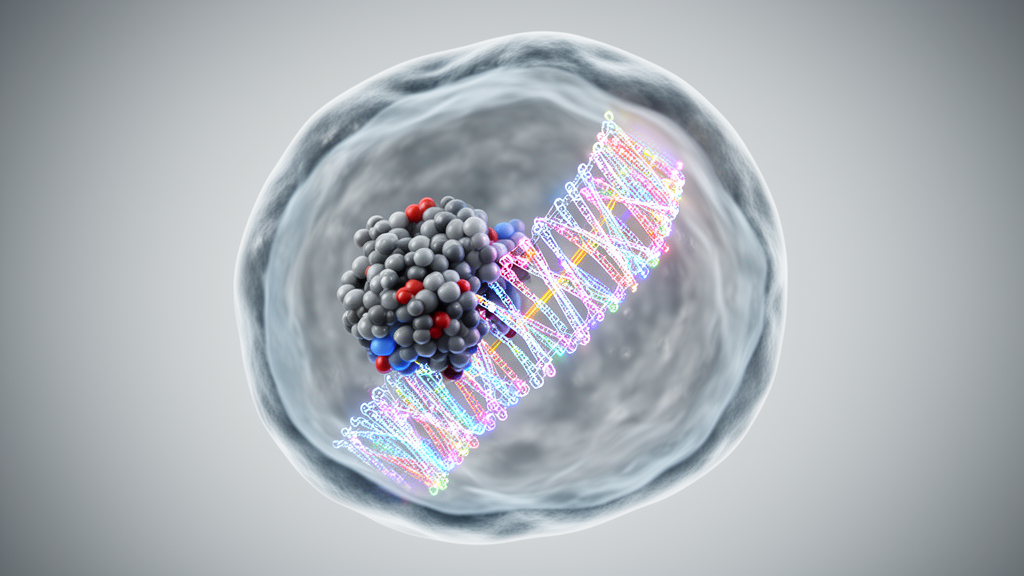
Image Credits: AI Generated
DOI: 10.1038/s41592-026-03319-z
Keywords: Superb-seq, CRISPR-Cas9, single-cell RNA-seq, SPLiT-seq, transcriptomics, off-target editing, in situ transcription, gene regulation, Sheriff software, chromatin remodelers, USP9X, functional genomics, rhAmpSeq, Perturb-seq, cell type-specific editing, genome engineering