


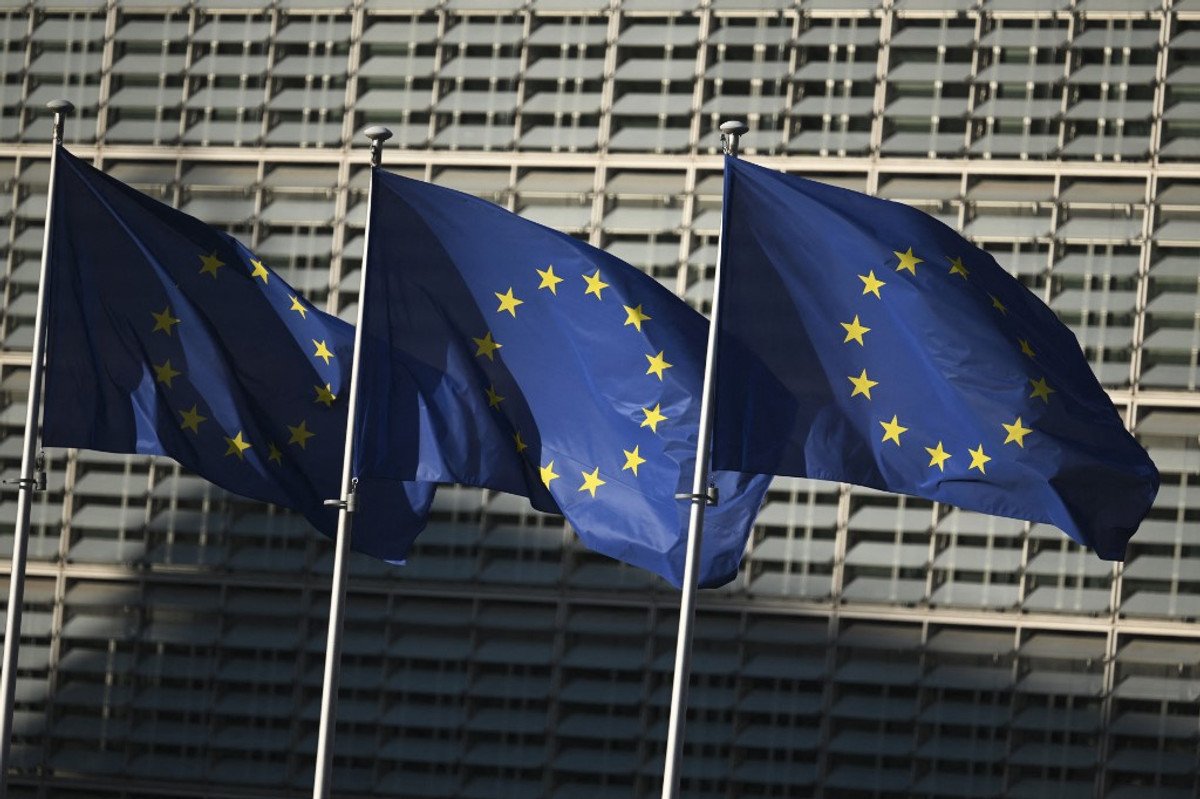
Europe will be represented at Ukraine peace talks by the E5 countries – France, Germany, Italy, Poland and the UK – as well as representatives of EU institutions, European Council President António Costa has announced.
Costa’s announcement confirmed news reported earlier by TVP World and supported by interview statements from Latvian Prime Minister Andris Kulbergs.
JOIN US ON TELEGRAM
Follow our coverage of the war on the @Kyivpost_official.
European nations and institutions will work together “in close coordination in full unity,” Costa said after an informal meeting of EU heads of state and government in Dublin on Friday.
“Europe must speak with one clear and united voice in all discussions that shape the future of Ukraine and the security of our continent,” Costa said.
“Only Ukraine has the legitimacy to decide on matters concerning its territory and sovereignty,” he continued.
The European Council president went on to say that security guarantees for Ukraine must be addressed within the ‘Coalition of the Willing’– a group of countries coordinating support for Ukraine and efforts to achieve – and “in close cooperation with NATO.”
“Europe’s security begins in Ukraine’s security,” he said.
Kremlin conditions
US negotiators said on Thursday that RVladimir Putin had agreed to European participation in future negotiations, though Kremlin spokesman Dmitry Peskov said on Friday that Europe must show a “readiness to contribute” to the peace process, Reuters reported.

Other Topics of Interest
Russia has renewed its 2021 demands for NATO to withdraw troops from Eastern Europe and halt aid to Ukraine during talks with US envoys, the NYT reported.
Moscow had earlier sought to keep the talks trilateral – Russia, Ukraine and the US – and to put Europe’s security architecture on the agenda without the participation of European negotiators.
A senior European official told TVP World on Friday that the E5 countries will be represented by their national security advisors, while the EU will be represented by the European Commission and the European Council.
The latest development can be seen as a sign that European countries and the European Union are asserting themselves in the peace process. It also signals that Europe views any future talks at this stage as being of mid-level status.
That interpretation is supported by the choice of European Commission President Ursula von der Leyen’s head of cabinet, Björn Seibert, to represent the Commission, which the same senior European official confirmed to TVP World.
The choice sends a message to Moscow that the talks are not yet at a stage warranting the participation of national or EU leaders.