






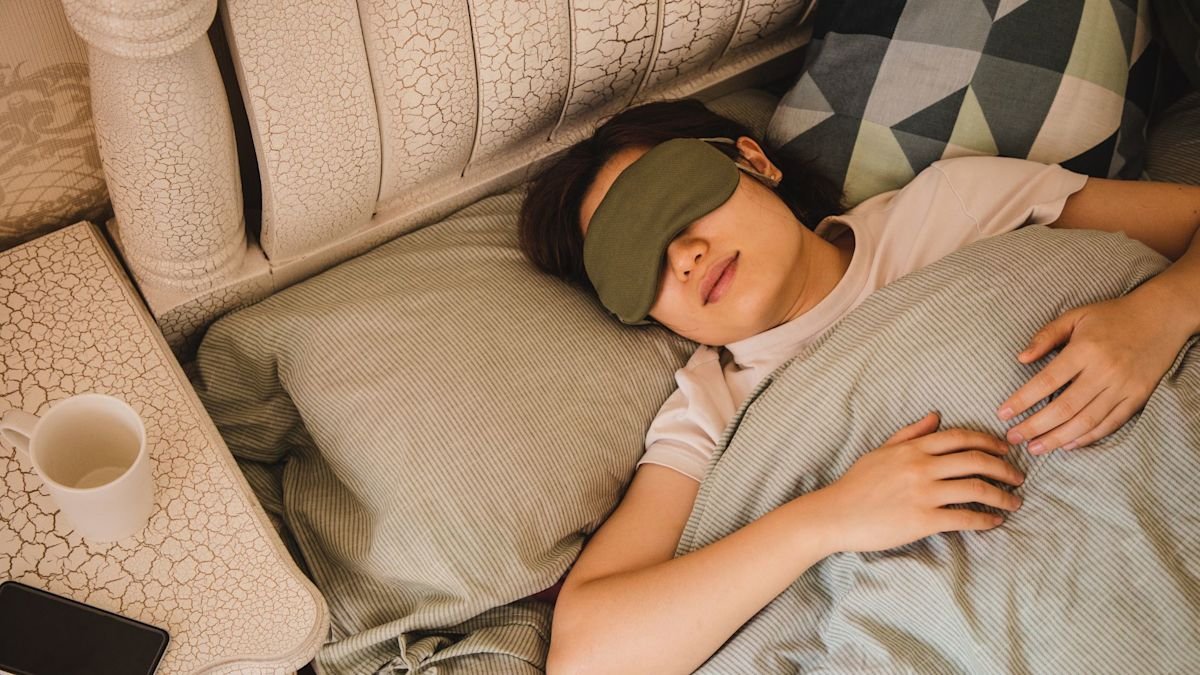
A team led by Columbia Engineering has built a pillowcase prototype, called PillowSense, that uses fabric sensors to estimate sleep posture, heart rate and breathing rate from the sleeper’s neck, according to a university release and a paper in an Association for Computing Machinery (ACM) journal.
Most sleep trackers are worn on the body, such as on the wrist or finger. The paper’s authors say some people find such devices uncomfortable and that existing wearables can’t report sleep position. Columbia said position can affect breathing and comfort, and that changes in position show behavior that vital signs alone don’t capture.
The pillowcase holds conductive fabric that acts as an electrode, and electronics measure small voltage differences between sensors touching the neck. The system separates two signals: an electrocardiogram (ECG), which records the heart’s electrical activity, and surface electromyography (sEMG), which records muscle activity. Heart and breathing rates come from the ECG, the paper said.
Seven postures, tested at home
Across 151 nights of at-home testing, PillowSense classified seven sleep postures with an F1 score of 88 percent, according to a university release. An F1 score combines how often a classifier is right when it names a posture with how many true cases it catches. The postures are back, stomach, left side, right side, and curled up on the left, right or back. The paper says 21 healthy adults averaging 23.7 years old took part, and the model was tested on people whose data it hadn’t trained on.
Advertisement
Advertisement
Against a pulse oximeter approved by the U.S. Food and Drug Administration, heart-rate readings were off by an average of 2.7 beats per minute and breathing readings by 3.1 breaths per minute in the home tests, the paper said. Textile sensors have read heart signals before, including in a Rice University smart shirt. Posture supplies “physical context” for those vital signs, said Xia Zhou, associate professor of computer science at Columbia Engineering.
Limits and next steps
The 88 percent figure excludes 71.2 of 912.2 hours of matched data, or 7.8 percent: 3.8 percent from poor sensor contact and 4 percent from sleepers being off the pillow, the paper said. Leg bending was harder to detect, with an F1 score of 80 percent versus 91 percent for upper-body posture. Heart-rate error was higher for participants with nape hair, 3.0 versus 2.6 beats per minute, and the reference oximeter has its own reported error of 3 beats per minute. The paper says analysis currently runs offline, so phone-based processing remains a goal.
PillowSense is a research prototype, not a diagnostic tool, the release said. Clinical use would need comparisons with clinical reference measurements and larger, more diverse groups, including older adults and people with sleep disorders. Earlier sleepwear, such as UMass Amherst’s smart pajamas, also sensed heart and breathing rates. The authors are preparing a sleep-lab patient study and plan to improve sensor contact and hair handling. The published study appeared in an ACM journal on wearable and mobile computing.