






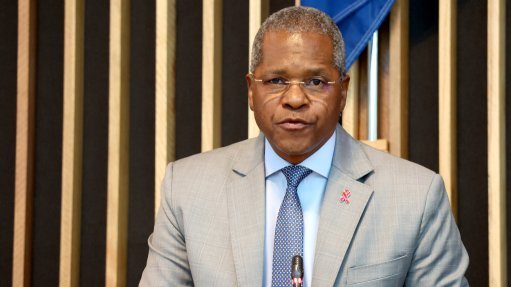
In a decisive move to prevent political instability from derailing municipal services, Cooperative Governance and Traditional Affairs Minister Velenkosini Hlabisa has issued guidelines for stable coalitions in local government.
The release follows the local government elections held last Thursday, which solidified coalition politics as the defining feature of South Africa’s municipal landscape.
According to post-election data, approximately 138 metropolitan and local municipalities, representing roughly 65% of all councils, failed to produce an outright majority for a single political party.
As a result, the vast majority of local governments will now rely on coalition agreements, minority governments, or other cooperative arrangements to govern.
Speaking on the launch of the framework, Hlabisa emphasised that while coalitions are a natural part of a maturing democracy, municipalities must be equipped to manage them without sacrificing public services.
“Coalition governance is a legitimate feature of our democratic system,” Hlabisa said. “However, our experience has shown that prolonged political instability, frequent changes in municipal leadership, and delays in decision-making can weaken municipal institutions, disrupt administration, and ultimately compromise service delivery. The people who suffer most from such instability are the residents who depend on municipalities for essential services.”
He noted that the new guidelines are designed to help political parties and municipalities navigate power-sharing arrangements responsibly, keeping the needs of communities at the forefront of local governance.
Developed with provincial governments, the South African Local Government Association, and leading local government scholars, the document offers practical mechanisms to stabilise hung councils.
The guidelines urge coalition partners to sign binding, written agreements – using an included adaptable template – that clearly define shared policy priorities, allocation of political roles, decision-making protocols, and dispute-resolution mechanisms.
A core tenet of the framework is the strict separation between political governance and professional municipal administration. Coalition deals may not override statutory responsibilities. Matters such as staff appointments, procurement, and tender awards must remain strictly in the hands of lawful administrative decision-makers.
Municipalities are encouraged to fortify their internal operations by establishing clear council rules of order, terms of reference, and systems of delegation.
Hlabisa said this ensures that approved budgets, integrated development plans, and ongoing service delivery programmes continue uninterrupted, even during periods of political deadlock.
He also issued a firm reminder to negotiating parties that coalition talks do not pause the law.
Under the current legislative framework, metropolitan and local municipal councils must convene their first meeting within 14 days of the government gazette notice naming the elected councillors, he explained.
Furthermore, he noted that local municipalities must appoint their district council representatives within the prescribed timeframe, with district councils required to hold their inaugural meetings within 14 days thereafter.
To ensure compliance, Hlabisa called on provincial Members of Executive Councils for local government to distribute the guidelines immediately, monitor adherence to statutory deadlines, and intervene early if negotiations threaten to paralyse municipal operations.
“Political parties have a responsibility to ensure that their governing arrangements are guided by cooperation, accountability, and a shared commitment to serving communities,” Hlabisa said. “Ultimately, the success of any governing arrangement must be measured by its ability to support effective municipal administration, strengthen governance, and improve the delivery of services to residents.”