





“There’s not going to be any peace.” That was the warning from a Baltic leader who says the Kremlin is using negotiations over Ukraine to distract European governments from urgently needed military support.
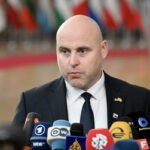
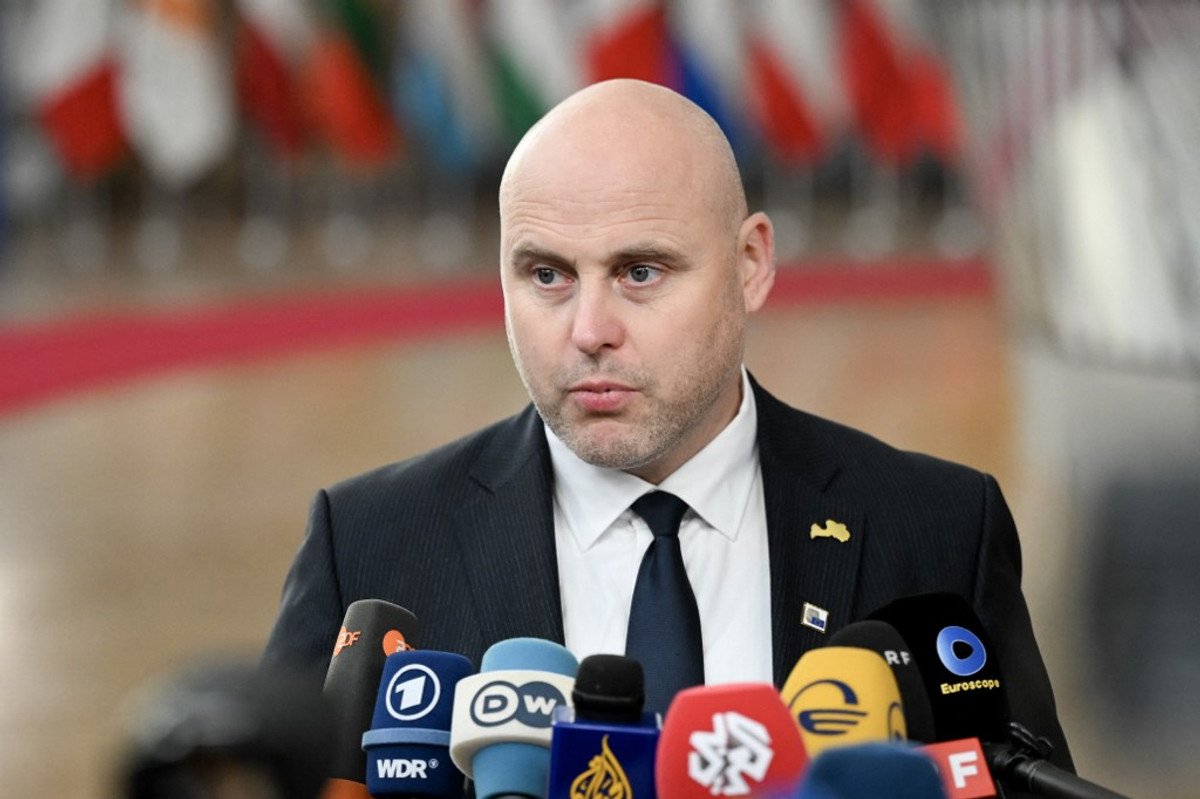
Andris Kulbergs, Latvia’s prime minister, told TVP World at the Dublin summit that Russian President Vladimir Putin was pursuing a tactical maneuver rather than a genuine settlement.
JOIN US ON TELEGRAM
Follow our coverage of the war on the @Kyivpost_official.
A seat at the table, but no breakthrough
European leaders agreed on Friday that France, Germany, Poland, Italy and the UK, alongside EU institutions, would represent the continent in future US-led talks on Ukraine. But Kulbergs questioned the value of deciding who should attend if Moscow was not serious about peace.
He accused Putin of trying to shift Europe’s attention away from Kyiv while stepping up attacks on homes, hospitals and essential infrastructure. The Kremlin, he argued, was hoping to prolong the war until political changes in Europe weakened support for Ukraine. “So it’s all about tactics.”
At the same time Moscow is ramping up its attacks on Ukraine’s energy grid ahead of winter, raising fresh concerns about heating and electricity supplies.
A crucial winter for Ukraine
Kulbergs urged European governments to release more air defense interceptors from their stockpiles, arguing that they could help Ukraine protect civilians without compromising their own security.
He also called for a fairer sharing of financial and military support, pointing to the sacrifices made by Latvia and Poland. Countries farther west, he suggested, often found it harder to recognize the danger posed by Moscow than societies still shaped by memories of Soviet occupation.

Other Topics of Interest
Poland will join France, Germany, Italy, the UK, and EU institutions to represent Europe at upcoming Ukraine peace talks, António Costa has announced.
With Russia targeting power, heating and water supplies, he said European governments should focus less on the choreography of diplomacy and more on helping Ukrainians withstand the coming months.
“This is a crucial winter.”