







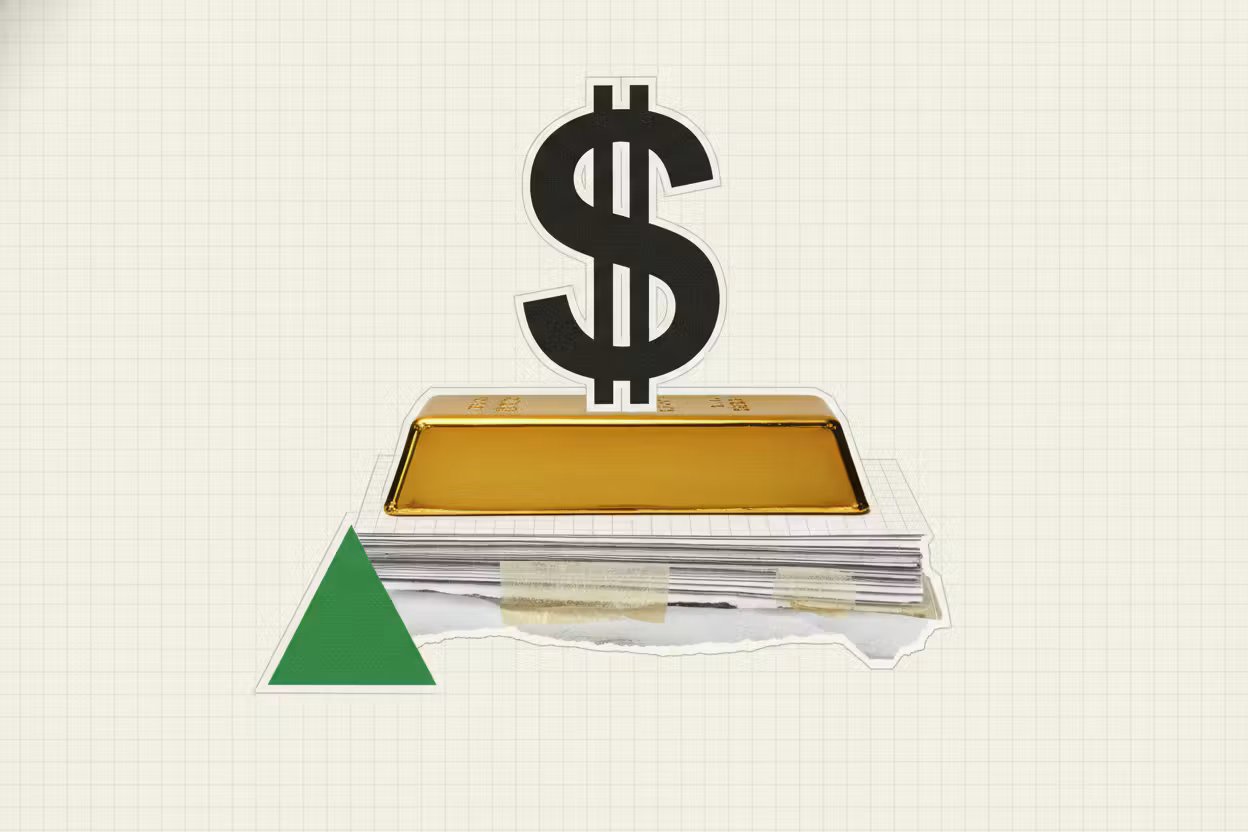
Harriman, a global investment bank, said the 10-year real yield climbed to 2.91% in the third quarter, its highest since 2008. Still, RBC Capital Markets and ING, both financial firms, argue there’s a cushion: central banks have been steady buyers, and that demand tends to be less sensitive to short-term price swings than hedge funds or retail investors. RBC’s strategist Christopher Louney points to a “meaningful floor” around $3,757 an ounce in the fourth quarter and about $3,661 in 2027, suggesting pullbacks could be more like range-trading than a clean, yield-driven slide.
Why should I care?
For markets: RBC sees a floor near $3,757 because central banks keep showing up.
When the dollar firms up and real yields climb, gold can struggle because the opportunity cost rises: investors can earn more in relatively safe interest-bearing assets. But central bank buying works differently from fast-money trading. If official buyers keep adding reserves through the cycle, they remove metal from the tradable supply and create a steady baseline bid even when speculative positioning cools. That helps explain why gold can feel under pressure on “higher for longer” headlines – like that roughly 88% implied chance of another Fed hike – yet still has trouble breaking far below the downside levels RBC highlighted.