







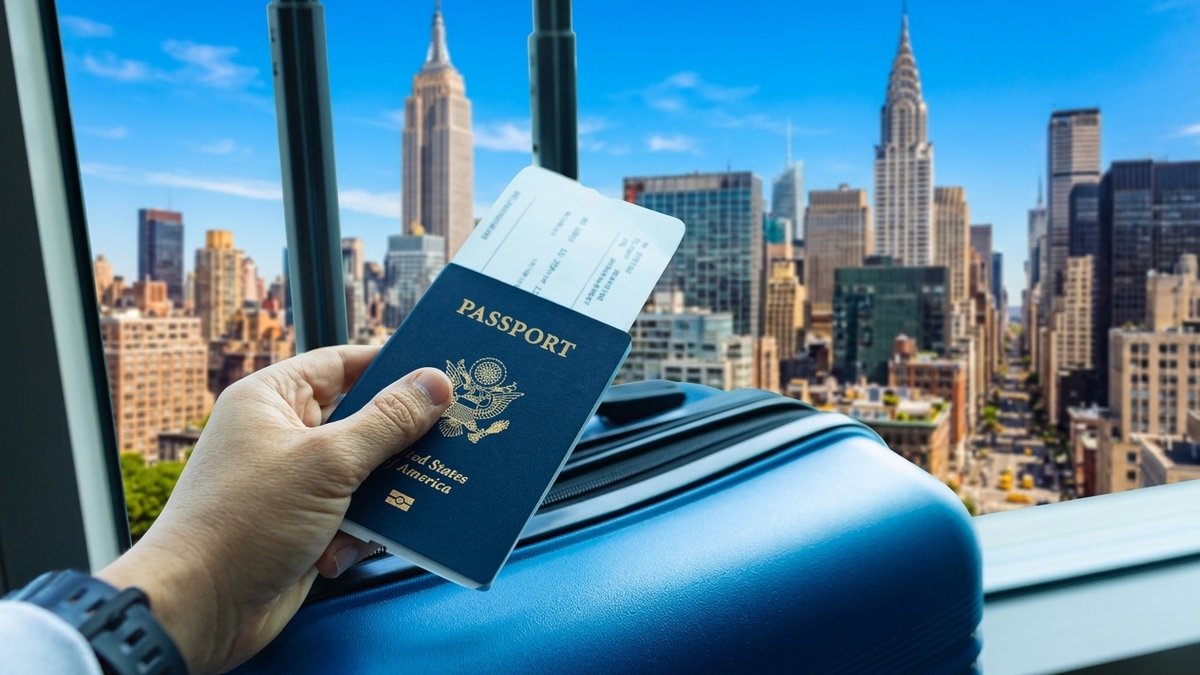
The U.S. passport is an extremely powerful document, falling below just 36 other countries on the world’s passport index. It allows those who hold one to travel to 180 different countries.
However, taking a picture to send off with a passport application has traditionally been a bit of a hassle, finding somewhere to take it and making sure it meets the government’s requirements.
That process is expected to become considerably easier as the State Department prepares to move more passport services online. The new rules could bring a different set of challenges for applicants though, particularly those who plan to take their own photographs. Something as simple as a smartphone camera setting could make the difference between an accepted application and a rejected one.
The State Department Is Changing How Americans Apply For Passports
In September 2026, Secretary of State Marco Rubio announced plans to introduce a new digital passport application platform through America.gov. The changes are expected to begin rolling out in 2027, with the longer-term aim of allowing Americans to complete all passport applications online, including those applying for their first passport.
Currently, most U.S. citizens can renew their passports online for $130, as long as they are over 25, their most recent passport was a 10-year book, and it was issued between nine and 15 years ago. But first-time applicants generally have to complete a paper application and submit it by mail or in person. This also means arranging a suitable passport photograph to send off with that application.

Places such as CVS and Walgreens offer passport photo services, typically charging around $12 to $18 for a set of printed photographs. There are several reasons why these pictures might get rejected, including shadows and head positioning. Applicants have to make sure that they meet the State Department’s specifications before including them with their paperwork.
The upcoming changes are expected to make that part of the process a little less complicated. Under the new system, applicants will be able to take a photograph using their smartphones at home or upload an existing image directly from their devices.
“You can take a picture of yourself on the phone in the comfort of your own home, or you can upload one directly from your own device. You’re not going any longer to some drugstore to get your picture taken behind a white screen,” Secretary of State Marco Rubio said during the announcement.
The platform is also expected to let applicants preview their photographs on a mock-up of the finished passport before submitting them, making it easier to spot mistakes like incorrect sizing or appearance.
Though it might save time and effort, taking a photograph at home does not mean applicants will have more freedom over how it eventually looks. The State Department has strict requirements for passport images, and those rules will continue whether a photograph is taken from a smartphone or is taken professionally.
In fact, the move toward digital applications could make some of those requirements more important. Modern smartphones can automatically process photographs in ways that users might not even notice, potentially creating problems when an image is submitted.
Smartphone Camera Settings Could Cause Problems With Passport Applications

Smartphone cameras have become increasingly sophisticated and harder to keep up with. Many manufacturers have been incorporating artificial intelligence and automatic enhancements into their photography software, such as skin-smoothing, facial adjustments, portrait effects, and automatic lighting corrections. These are all designed to make everyday photos look better.
However, those same features could cause problems when someone takes a passport photograph. The State Department does not allow applicants to digitally alter their passport pictures. In 2026, a stricter “zero-tolerance” policy for digital alterations took effect worldwide.
Passport photo scanners now flag pixel-level inconsistencies caused by AI-upscaling, skin-smoothing filters, portrait mode, or background-removal apps. Even if an applicant has not deliberately edited their photograph, this could leave them with an image that does not meet the requirements.
Applicants should take a few minutes to check their camera settings before attempting to capture their passport photograph.
- Turn off beauty modes: Check whether the camera has a beauty or retouching setting. These features can smooth skin, brighten eyes, and subtly change facial proportions.
- Check the filter menu: Make sure the camera is set to its original or no-filter setting rather than applying a preset effect.
- Avoid portrait mode: Use the standard photo setting instead. Portrait mode can artificially blur backgrounds and introduce additional processing.
- Look for AI enhancements: Some phones offer automatic scene optimization, facial enhancement, and other AI-powered adjustments. Disable features that alter the original photograph.
- Avoid editing applications: Do not upload the image to social media, beauty applications, or AI photo editors before submitting it.
- Check the finished photograph: Look for unusually smooth skin, altered facial features, unnatural lighting, or changes to the background.
The exact settings will vary depending on the smartphone manufacturer and camera application, meaning the safest option is to use the standard camera setting, and upload the original image without making any changes.
There are other requirements applicants need to follow, too, according to the U.S. State Department’s passport photograph guidance.
|
Requirement |
What Applicants Should Do |
|---|---|
|
Photograph age |
Use a photograph taken within the last six months. |
|
Background |
Choose a plain white or off-white background without shadows or objects. |
|
Facial expression |
Look directly at the camera with a neutral expression and mouth closed. |
|
Head positioning |
Keep the head straight, centered, and fully visible. |
|
Lighting |
Ensure the face is evenly lit without harsh shadows or overexposure. |
|
Glasses |
Remove eyeglasses unless an approved medical exception applies. |
|
Headwear |
Remove hats and other coverings unless permitted for religious or medical reasons. |
|
Image quality |
Submit a clear, color photograph without blurring or pixelation. |
|
Digital alterations |
Do not use filters, retouching software, or AI enhancements. |
|
Printed dimensions |
Paper applications require a two x two-inch photograph, with the head measuring between 1 and 1⅜ inches. |
The State Department also recommends avoiding photographs taken too close to the camera, as this can distort facial proportions. Having someone else take the picture or using a tripod can make it easier to maintain the correct distance and positioning.
Passport Photo Mistakes Could Add More Time To An Already Lengthy Process
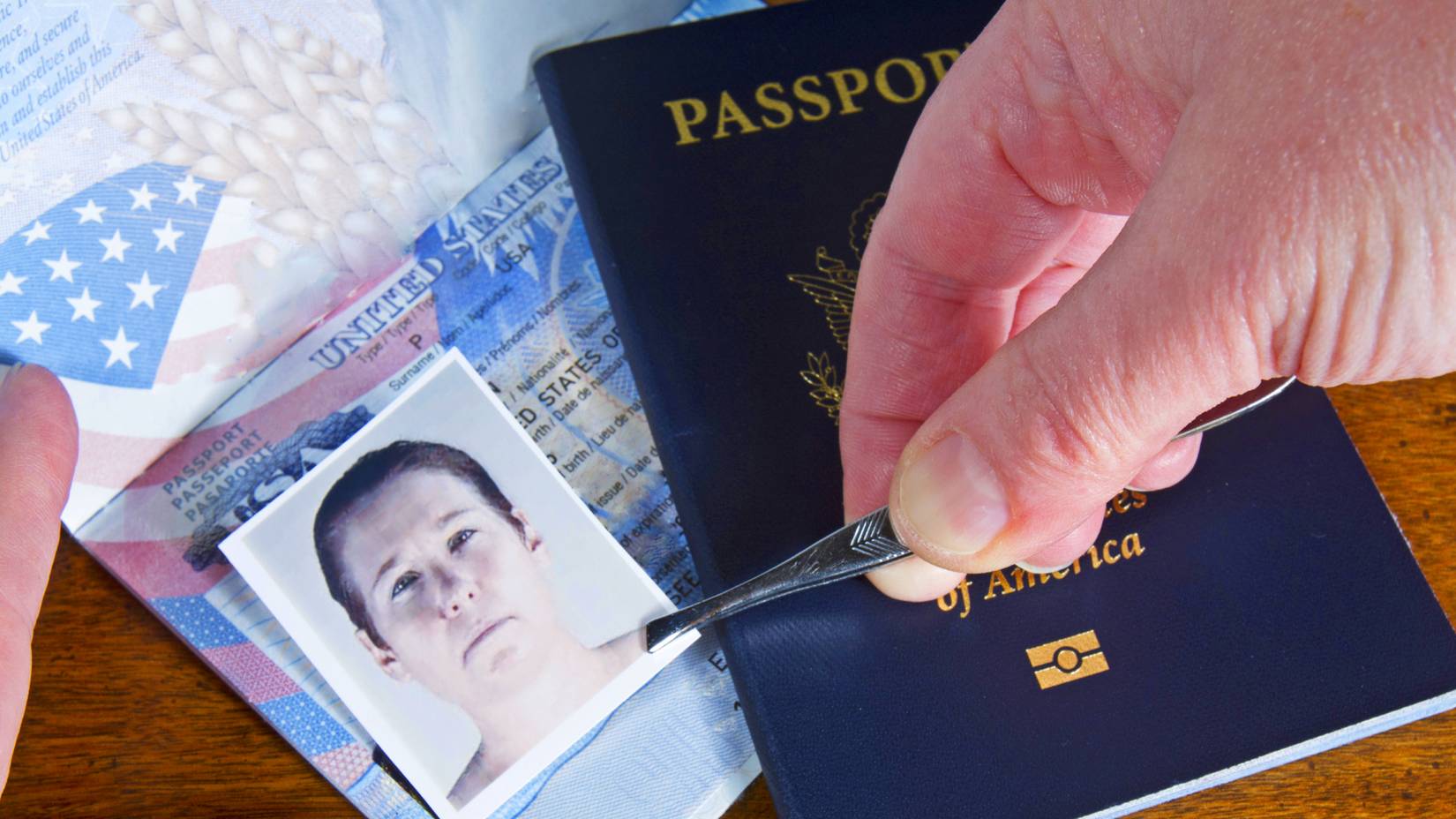
The State Department identifies poor-quality or unacceptable photographs as the number one reason passport applications are put on hold. The agency’s own data reports that over 300,000 American passport applications were declined due to non-compliance with strict photo requirements in 2024 alone.
A State Department spokesperson previously told TheTravel that the new online service coming is expected to cut time, costs, and the scheduling demands of an in-person passport application. But, with taking a photo on a smartphone leaving more room for human error and hidden AI enhancements, passport applications could see an increase in rejections.
If the agency identifies an issue, applicants may receive a letter or email requesting a replacement photograph or additional information. Applicants have 90 days to submit a compliant replacement photo without paying a new application fee. Failing this window requires a full restart of the application and repayment of all fees.

With routine processing currently taking four to six weeks, and expedited applications taking two to three weeks, excluding mailing time, a setback like this could spell potential disaster for travelers waiting on their new passport to arrive for a trip.
However, the new system is also expected to include an AI-powered photo screening feature. This could help applicants identify common problems before submitting their images. The proposed technology could also flag filters and other prohibited alterations.
Other changes under the upcoming digital passport application system include a potential new design that features President Donald Trump, which has raised some concerns, but has been described as being non-negotiable. Another change could see frequent flyers being left out of pocket.
The upcoming 2028 passport design will be a 38-page book, replacing the 26-page and 50-page books. This means pages could fill up more quickly, leaving travelers having to pay more for a new one sooner.
TheTravel has contacted the U.S. State Department for comment.