









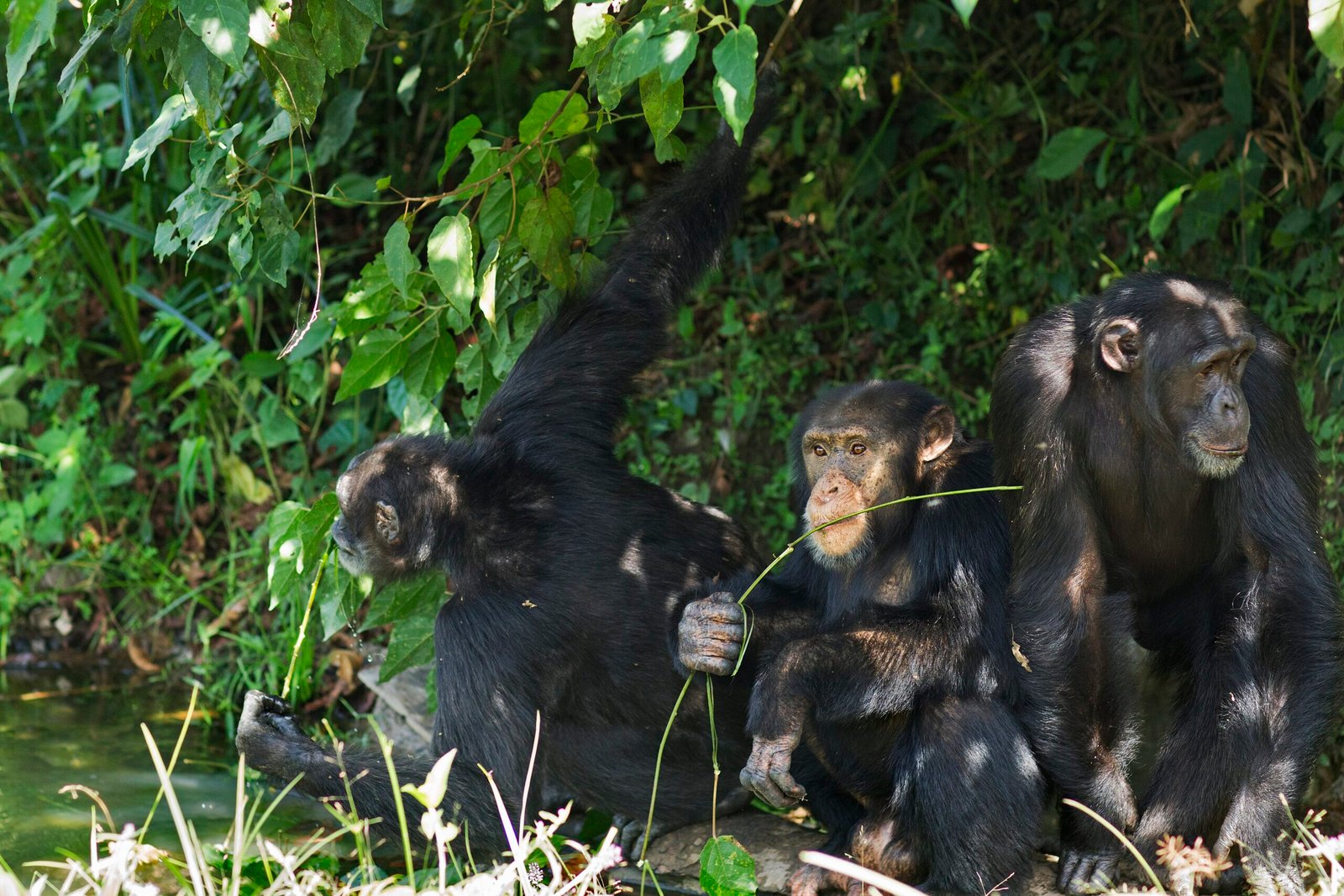
From coral reefs in Papua New Guinea to chimpanzees in West Africa, grizzly bears in Canada and albatross colonies off Tasmania, some ecosystems are thriving despite climate change, habitat loss and other environmental pressures.
A University of Sydney study has examined the common threads behind these unlikely success stories to develop a framework to support fragile ecosystems and the communities that rely on them.
Lead author Dr Bing Lin from the Thriving Oceans Research Hub said three common factors tied these positive conservation stories together.
“Our study examined different species on different continents that are all facing unique conservation challenges. Yet each succeeded against the odds for remarkably similar reasons: local knowledge was valued alongside science, communities played a central role in decision-making, and management adapted to local social and environmental conditions,” Dr Lin said.
Rather than focus on environmental decline, researchers from the University’s Thriving Oceans Research Hub reviewed more than 70 studies of environmental and sustainability success, where places, species and social-ecological systems perform better than expected despite difficult circumstances.
Their review is the first to synthesise seemingly unrelated conservation bright spots and bring them together into a single framework. In doing so, they reveal the common conditions that allow people and nature to thrive against the odds, and offer a way to identify and learn from these unexpected success stories.
The study is published in Nature Ecology & Evolution.
Dr Lin said the study marks a shift from celebrating individual conservation success to deepening our understanding of where and why it occurs.
“Conservation is often framed as a story of loss and decline, but there are places where ecosystems and the people who depend on them are thriving despite enormous pressures,” Dr Lin said.