








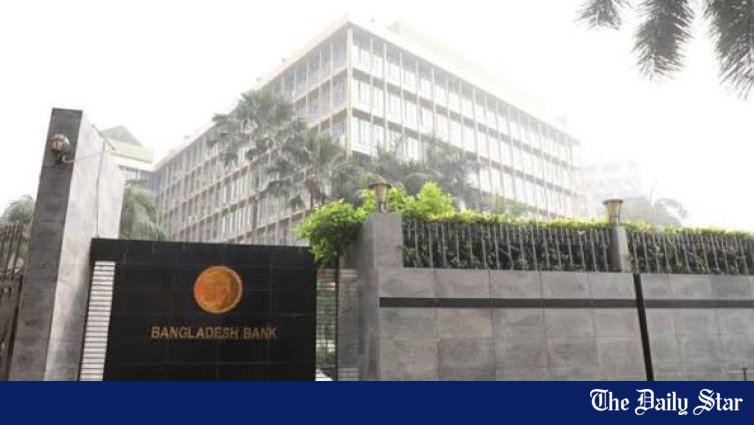
Only 15 banks — including five recently merged shariah-based banks — account for more than 85 percent of the over Tk 600,000 crore in non-performing loans (NPLs), underscoring that asset-quality distress remains concentrated in a handful of lenders rather than being widespread across the banking sector.
The latest Bangladesh Bank Quarterly report for April-June 2026, published yesterday, shows that total classified loans across the country’s 61 scheduled commercial banks rose in the fourth quarter of fiscal year 2025-26 from more than Tk 588,700 crore in the previous quarter.
This pushed the aggregate gross NPL ratio to 32.78 percent from 32.26 percent in the preceding quarter, driven by a moderate increase in the ratio among state-owned banks.
Not all commercial lenders contributed equally to the banking sector’s distress, the BB report found.
Excluding the five recently merged shariah-based banks, 10 other banks held more than 57 percent of total classified loans. This suggests that the distressed-asset problem is concentrated in a few banks rather than being pervasive across the sector, the central bank said.
The central bank said the banking sector continued to face structural challenges stemming from persistent weaknesses in asset quality, capital adequacy and profitability.
“Although excess liquidity provided some relief and signalled improved depositors’ confidence, the weakening performance indicators show that further action is needed to address vulnerabilities, improve risk management and strengthen sector resilience,” it added.
Apart from asset-quality pressures, capital adequacy in the banking sector deteriorated further in the fourth quarter of FY26, the BB said.
The Capital-to-Risk-Weighted Assets Ratio (CRAR), which measures a bank’s available capital against its total risk-weighted assets, also weakened during the quarter.
The CRAR deficit widened to 3.80 percent at the end of the quarter from 3.17 percent in the previous quarter, taking the ratio further below the Basel III regulatory minimum requirement of 10 percent.
Across bank categories, the CRAR of state-owned banks fell to 0.82 percent at the end of the fourth quarter of FY26 from 1.08 percent in the previous quarter, remaining substantially below the regulatory requirement.
The capital adequacy ratio of private banks declined to 8.18 percent in April-June 2026 from 9.11 percent in the previous quarter.
The central bank said capital adequacy at shariah-based banks also remained under significant pressure. Excluding the five merged Islamic banks, the CRAR of the remaining shariah-based banks fell to 7.30 percent from 7.75 percent in the preceding quarter.
“In the banking industry, the overall performance of the ten full-fledged Islamic banks remained mixed, with asset quality and capital adequacy continuing to pose concerns,” the BB said.
Full-fledged shariah-based banks collectively accounted for more than 47 percent of the banking industry’s total stock of defaulted loans in the fourth quarter of FY26, mainly because of high NPLs at the five merged Islamic institutions.The BB’s initiatives to offer an exit facility to defaulting borrowers and recover defaulted loans under the proposed Distressed Asset Management Act 2026 and the proposed amendment to the Artha Rin Adalat Ain 2003, alongside other regulatory reforms, are expected to restore discipline in the sector in the near future.
RISKS TO ECONOMY REMAIN
The BB quarterly report also assessed the country’s overall macroeconomic performance in the fourth quarter of FY26.
It said Bangladesh’s gross domestic product (GDP) growth accelerated to 4.6 percent in the final quarter from 2.2 percent in the preceding quarter, driven by a rebound in manufacturing output.
“Looking ahead, sustaining the recovery in GDP growth will depend on consolidating the manufacturing-led rebound and addressing the persistent weakness in mining, electricity, transport and construction,” it said.
The central bank warned that tight fuel and gas supplies and higher import costs arising from the war in the Middle East could weigh on economic expansion in the coming quarters.
“Softer global demand for apparel could weigh on RMG exports. A decline in overseas employment, linked to disrupted flight routes to the Middle East, could also moderate the pace of remittance growth,” it added.
The BB said the country’s foreign exchange reserve buffers appeared sufficient to absorb moderate shocks.
“However, continued diversification of export markets, export products and labour destinations, along with close monitoring of global trade developments, will remain important.”