







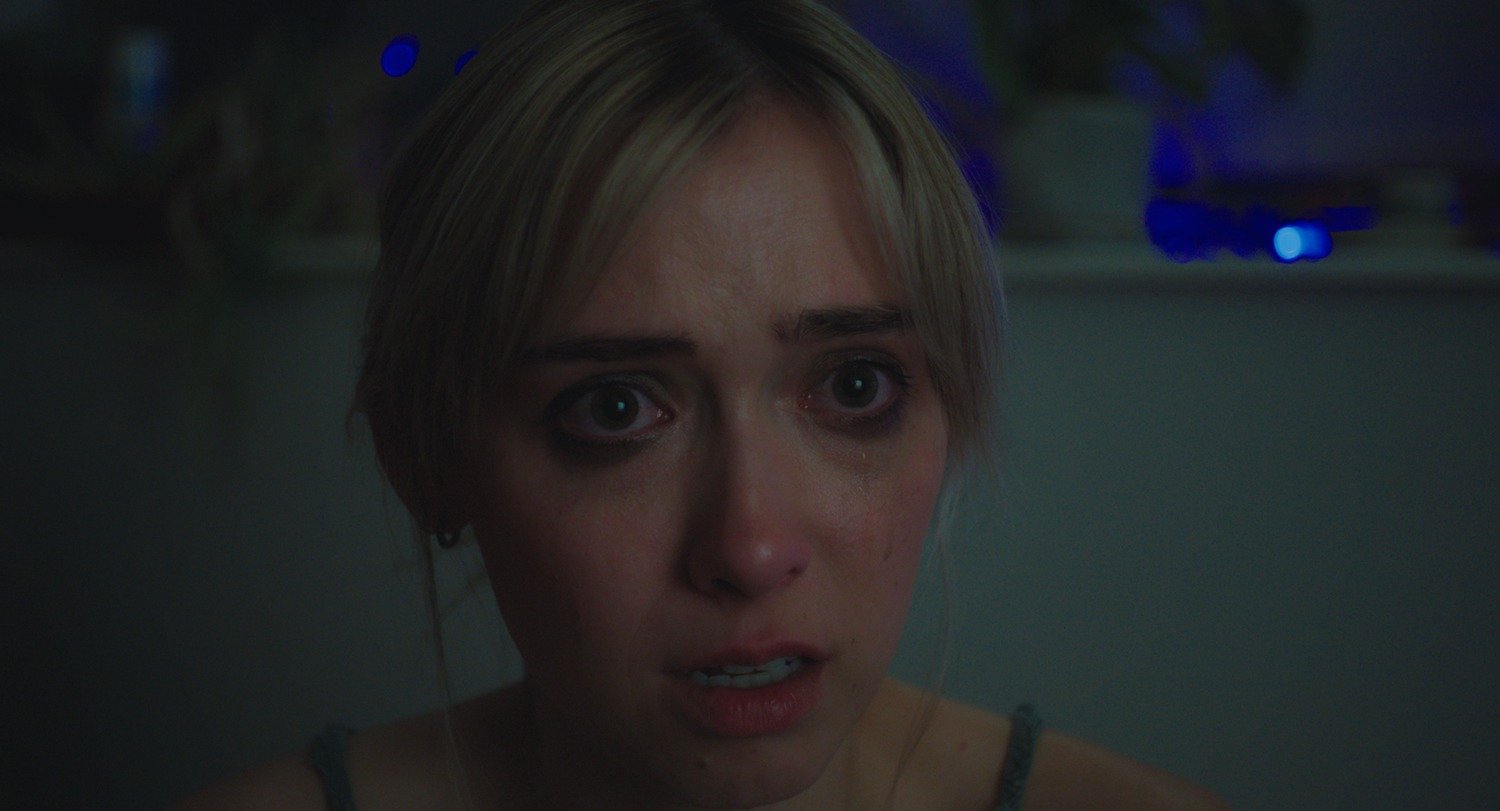
There is a particular strain of American independent cinema, descended from the mumblecore of the mid-2000s, that stakes everything on texture and mood rather than plot, trusting that close attention to a handful of drifting young people will yield its own quiet truths. “Genevieve’s Garden,” the debut feature from writer, director and editor Katie Colosimo, plants itself firmly in that tradition. It is a slight, becalmed thing, more interested in atmosphere than incident, and while it is anchored by one genuinely affecting performance, it never quite finds the deeper feeling its premise seems to promise.

The film follows Lily (Chynna Marie Walker), a young woman left adrift by a break-up and the general aimlessness of her twenties. Low and unmoored, she stumbles across an online video advertising a wellness retreat run by Genevieve (Laura Hetherington), a soft-spoken influencer-guru offering the promise of healing and reconnection. Lily signs up, and the bulk of the film unfolds at the retreat itself, a place that turns out to have very little in the way of structure, programme or purpose.
What Lily finds there is not transformation but three other twenty-somethings, thinly sketched and largely interchangeable, who share almost no discernible chemistry with one another. The retreat has no real shape, no guided catharsis, no reckoning with the emotions that presumably drove these people to seek it out. Instead the film settles into a loose rhythm of wandering and murmured half-conversations, its characters circling each other without ever quite connecting. The effect is less meditative than inert, a gathering that never coheres into drama.
There is one moment where the film briefly comes alive. In a tender passage at its midpoint, Lily and a fellow guest, Charlie, simply hold hands and allow themselves to properly see one another, letting their guards drop long enough for something real to pass between them. It is a lovely, unforced beat, the kind of small human connection the whole film seems to be reaching for, and it hints at the more intimate, emotionally generous picture that “Genevieve’s Garden” might have been.
That the moment stands out so sharply only underlines how little surrounds it. For all its gentle, naturalistic intentions, the film offers precious little to hold onto: no arc to speak of, no escalation, no sense of these characters arriving anywhere by the close. The mumbled, improvisational texture that lends a few scenes their fragile authenticity more often tips into shapelessness, and the supporting players are too faintly drawn to carry the stretches where nothing much is happening.
What saves the film from drifting away entirely is Chynna Marie Walker. As Lily she is thoroughly believable, capturing the hapless, slightly lost quality of a young woman going through the motions of self-improvement without quite knowing what she is looking for. She grounds the film in something recognisable and true, and she suggests a performer worth watching in a project with more to offer her. “Genevieve’s Garden” is finally too wispy and unresolved to satisfy, a mood in search of a story, but Walker’s presence is a reminder of the warmer, sharper film buried somewhere within it.