








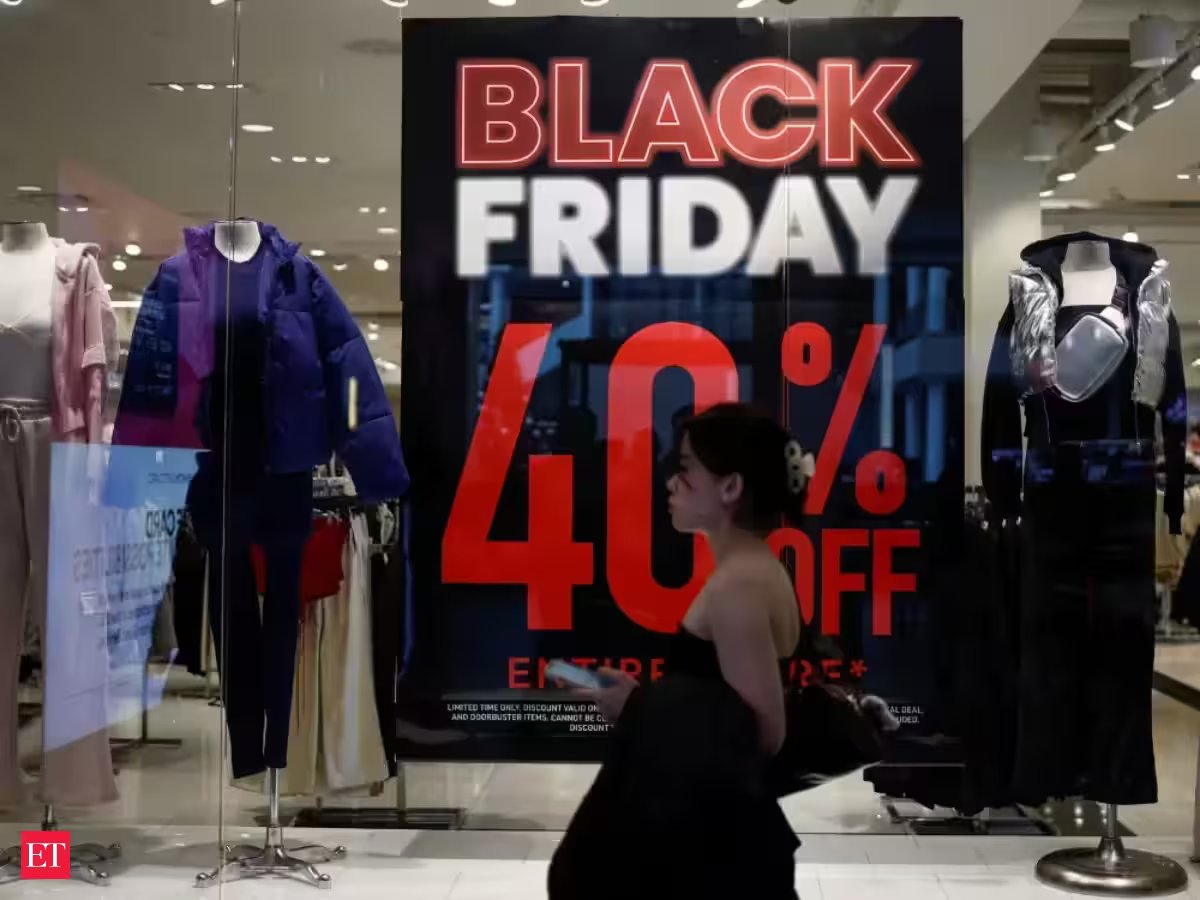
An analysis of 19.4 lakh orders worth over ₹250 crore processed on GoKwik’s network during the four-day shopping event showed that daily gross merchandise value (GMV) rose 42% compared with the preceding 30 days. Daily order volumes increased 30%, while average order values climbed 9%, indicating higher consumer spending during the sale period.
Bengaluru emerged as the largest district market, accounting for 1.39 lakh orders, but the geographical spread of purchases across more than 670 districts points to the growing importance of smaller markets for direct-to-consumer (D2C) brands. Maharashtra led state-wise volumes with 3.2 lakh orders.
The findings come ahead of BFCM 2026, scheduled from November 27 to 30, as brands prepare for a period of heightened online shopping. GoKwik has launched KwikAtlas, a free interactive platform that maps district-level shopping trends using aggregated and anonymised transaction data from its network.
The data also highlights considerable differences in payment preferences across markets. Prepaid transactions accounted for 52.7% of orders during BFCM 2025, up 5.3 percentage points from the preceding period. However, cash-on-delivery continued to dominate in several markets, accounting for 53% of orders in Uttar Pradesh, against 35% in Karnataka.

Delivery performance also varied sharply by geography. Return-to-origin (RTO) rates ranged from 7.3% in Bengaluru to 22.6% in Patna, pointing to the operational challenges brands face as they expand into newer markets. Such differences make district-level data increasingly relevant for decisions on payment incentives, inventory placement and delivery risk management.
Category-wise, beauty and personal care led in order volumes with 7.6 lakh orders, while apparel and accessories generated the highest GMV.”India’s e-commerce growth is increasingly being shaped by consumers beyond the largest metropolitan markets, but shopping behaviour varies significantly across districts. A strategy that works in Bengaluru may not necessarily deliver the same results in Patna or Lucknow,” said Chirag Taneja, co-founder and CEO of GoKwik.
The platform’s inaugural edition analyses transactions between November 28 and December 1, 2025, with performance compared against the daily run rate between October 29 and November 27, 2025.
The district-level insights are expected to help D2C brands identify emerging demand centres, assess category preferences and tailor marketing and fulfilment strategies ahead of the upcoming festive and year-end shopping period. The data, however, represents transactions across brands on GoKwik’s network and should not be read as a measure of the overall Indian e-commerce market.