






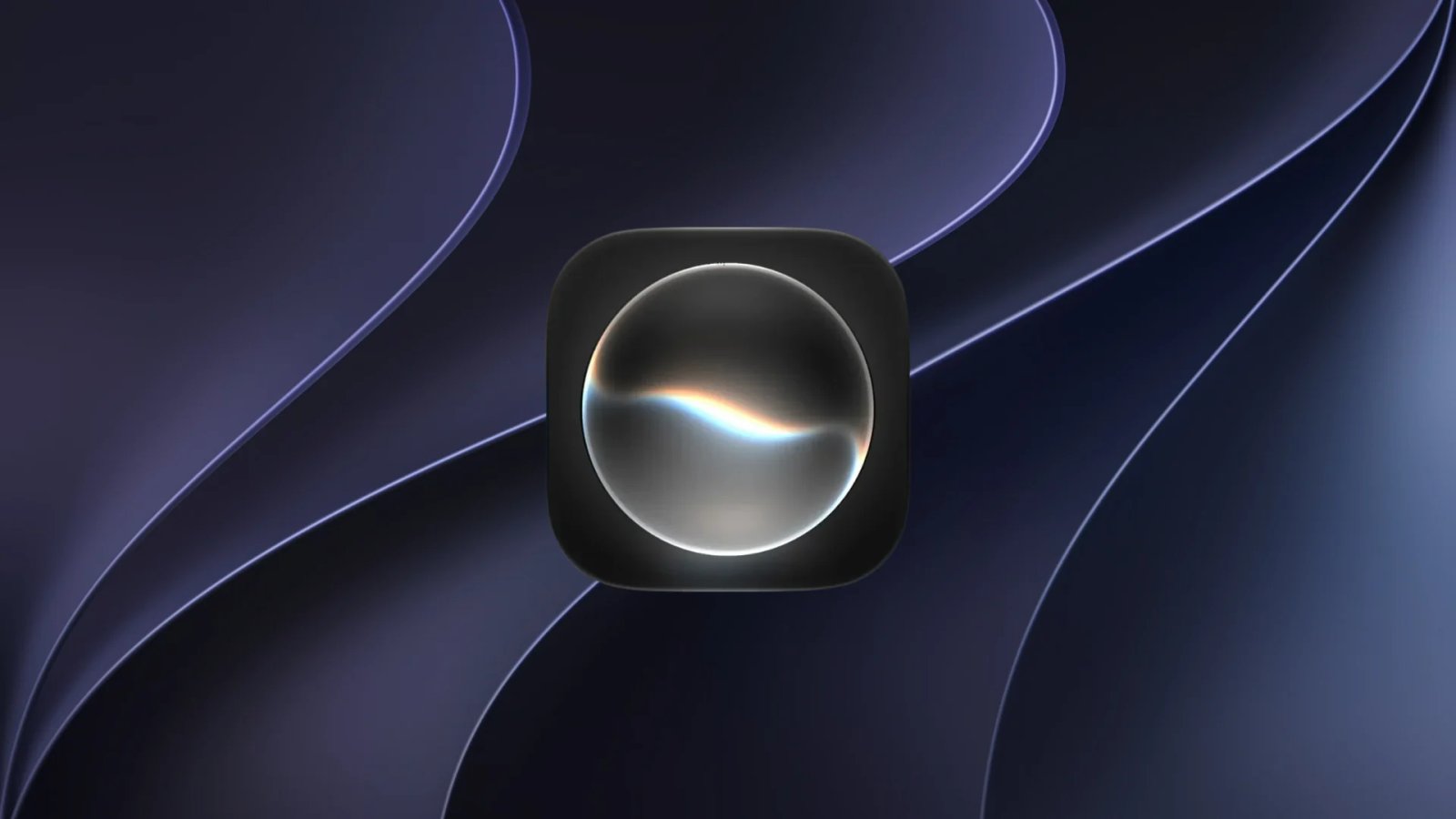
Apple’s new Siri app integrations in iOS 27.3 are laying the groundwork for its upcoming smart glasses, reportedly scheduled for 2027. The company wants developers to make their existing iPhone apps accessible through Siri, allowing people to perform everyday tasks through voice commands while wearing the glasses.
According to Bloomberg’s Mark Gurman, Apple sees third-party app integration as a major advantage over competing smart glasses from Meta and Google. The device, internally code-named N50, could debut at WWDC 2027 before reaching customers later that year.
iOS 27.3 Gives Developers Early Access to Siri AI
Apple introduced its new Siri AI developer preview on November 3 with the first iOS 27.3 beta. The update expands the App Intents framework, allowing developers to expose specific app functions and content directly to Siri.
Don’t miss the best of The Mac Observer
Set us as a preferred source and our Apple reporting ranks higher in your Google Search results and Discover feed — one tap, no account changes.
For example, users could eventually ask Siri to book an Uber, reserve a restaurant through OpenTable, order coffee from Starbucks, or purchase movie tickets without opening the respective apps.
In its official developer announcement, Apple confirmed that developers can begin testing these integrations ahead of wider availability.
“This developer beta offers a sneak peek at Siri AI app intents for developers. With this early Developer Preview, your app can work directly with Siri AI, giving you a first look at new ways to reach and serve your customers.”
Apple plans to open App Store submissions for these integrations in spring 2027, giving developers time to prepare before the glasses arrive.
Apple’s Smart Glasses Will Depend on a Paired iPhone
Unlike standalone devices, Apple’s first smart glasses will reportedly rely on a paired, recent iPhone to run third-party applications and process requests. Developers can therefore extend their existing iOS apps to the glasses through Siri without building separate wearable applications.
The glasses will reportedly run a lightweight version of visionOS 28 and include Wi-Fi, cameras, microphones, and custom Apple silicon. Siri will also support navigation, messaging, translations, notifications, and Visual Intelligence features.
As previous reports about Apple’s smart glasses indicated, the first generation will focus on AI-powered assistance rather than augmented reality displays.
Apple’s biggest challenge remains software readiness. Although the company is targeting a 2027 launch, delays in Siri development could affect the schedule. Its broader plans to make Siri more capable of handling complex tasks could also influence how useful the glasses become.