









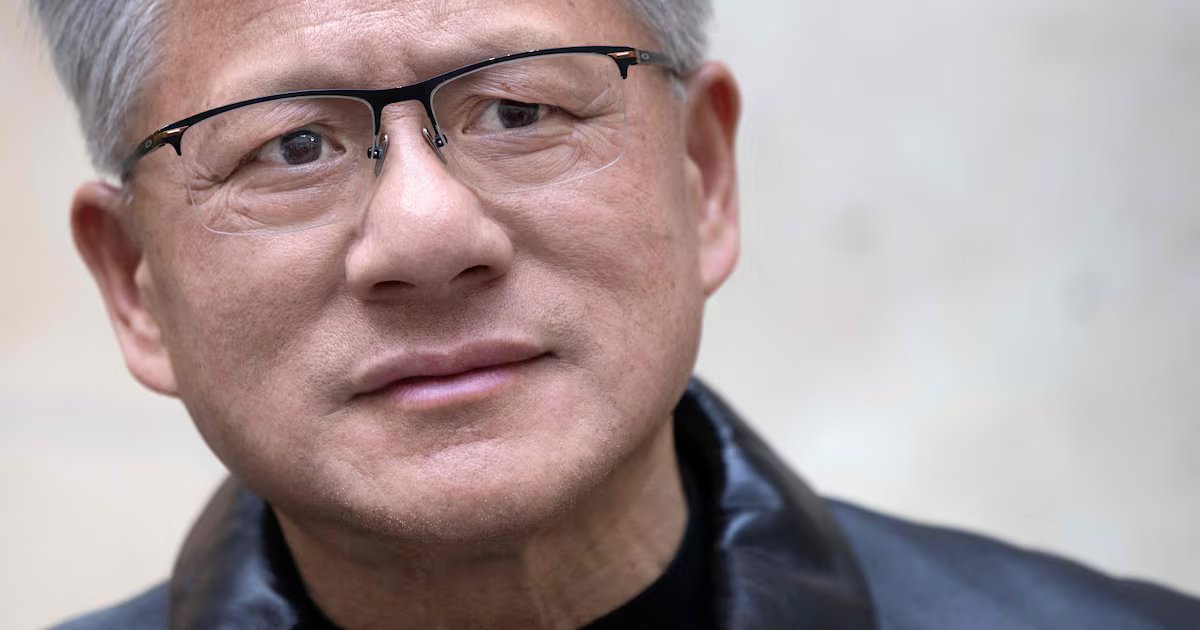
Jensen Huang, the former CEO of U.S. artificial intelligence (AI) chipmaker Nvidia, has stepped down, drawing renewed attention to global corporate CEOs who left in disgrace over inappropriate personal relationships, including office romances.

Nvidia’s board said in a statement on the 12th (local time) that CEO Huang would immediately resign as president, CEO, and director. He stepped down after new allegations surfaced that, in addition to a relationship with a woman suspected of being a Chinese spy, he had an extramarital relationship with a female executive at the company. The same day, foreign media also reported that Huang had a relationship with another Nvidia employee.
According to reports from the New York Times (NYT), the Wall Street Journal (WSJ), and others, a “close personal relationship” has long been one of the reasons global CEOs have been forced out.
One prominent case is former HP CEO Mark Hurd, who was ousted by the board in 2010. Credited with helping turn HP into a global tech company, he left after it emerged that he failed to properly disclose his use of company funds and had a personal relationship with a contractor. In 2018, Intel CEO Brian Krzanich resigned after it was revealed he violated company rules by having a “consensual relationship” with an employee.
U.S. railroad company Norfolk Southern also dismissed CEO Alan Shaw in 2024. An internal probe found Shaw had a consensual romantic relationship with the chief legal officer (CLO), violating company policy.
These scandals are not confined to tech. Last year, Ashley Buchanan, CEO of U.S. department store chain Kohl’s, was fired just months into the job after it emerged she sought to give business favors to a vendor with whom she was in a romantic relationship. The same year, Rodney McMullen, CEO of U.S. grocery giant Kroger, also stepped down. The company cited findings that his “personal conduct” did not comply with internal rules.
U.S. companies have long applied strict standards to executives’ inappropriate personal relationships. Because of power imbalances between bosses and subordinates or between companies and vendors, even consensual relationships can create conflicts of interest or fairness issues. In particular, since the #MeToo movement, which prompted a wave of complaints over sexual harassment and coercion, companies are seen as having tightened enforcement of rules on romances between managers and their direct reports.
Charles Taff, executive vice president at the CHRO Association, a group of chief human resources officers, said, “Companies have long had strict rules in place regarding relationships with direct reports.”
Even in Europe, which traditionally took a relatively lenient view of office romances, stricter standards have been applied in recent years. Laurent Freixe, CEO of Swiss food company Nestlé, stepped down last year after an investigation found he violated the company code of conduct by failing to disclose a romantic relationship with a subordinate. In 2023, Bernard Looney, CEO of British energy company BP, resigned after the board investigated past relationships with colleagues and said he had not been fully transparent.
Foreign media said Jensen Huang’s case resembles other CEO exits over inappropriate personal relationships but differs in that it has raised national security concerns because the person involved is suspected of being a spy. The NYT reported, “CEOs usually step down because a personal relationship violated internal company rules,” adding, “It is not typical for a CEO to be dismissed on the grounds of posing a national security risk.”