




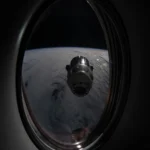

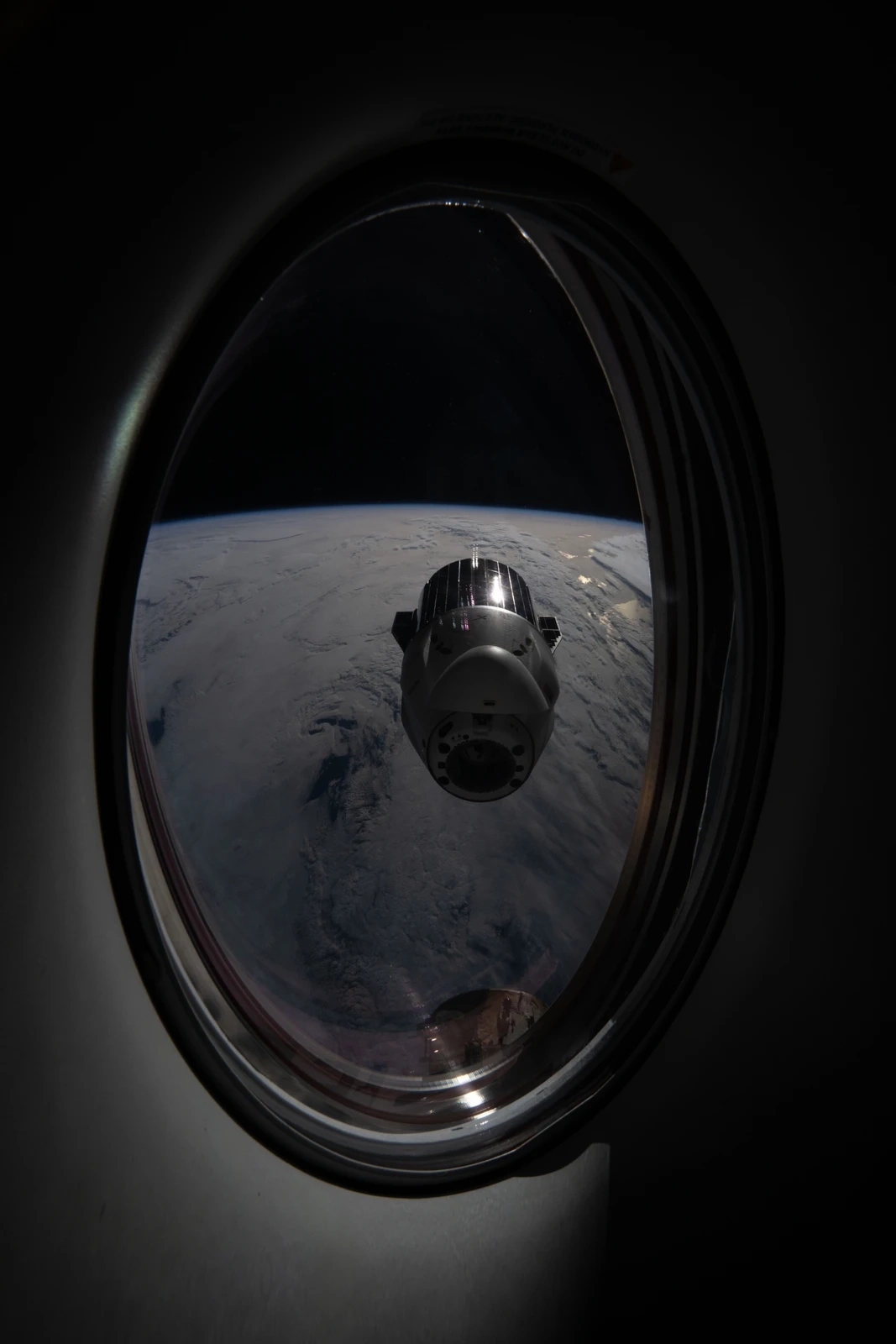
SpaceX’s Cargo Dragon spacecraft undocked from the International Space Station on Nov. 20 local time, carrying a large batch of research samples and equipment on its journey home. NASA said the spacecraft separated from the station at about 12:05 p.m. EST on Nov. 20 (1:05 a.m. Beijing time on Nov. 21) and is expected to splash down off the coast of California at about 1:55 p.m. Pacific time on Nov. 21 (4:55 p.m. EST on Nov. 21). There will be no live broadcast of the spacecraft’s re-entry and splashdown.
The spacecraft lifted off Oct. 13 and docked with the station Oct. 15, delivering more than 6,300 pounds (about 2,860 kilograms) of food, research equipment and supplies to the crew in orbit. On its return trip it is likewise carrying thousands of pounds of cargo, with research samples the priority. In a mission update published Nov. 17, NASA said the returning cargo includes 3D bioprinted blood vessel structures used to study the effects of the space environment on blood vessel aging and cardiovascular disease on the ground.
According to Xinhua News Agency, the samples brought back also include frozen specimens processed aboard the station for tumor-related research. The materials are expected to help researchers clarify the mechanisms of vascular aging and cardiovascular disease and provide clues for improving cancer treatments.
The flight is the 35th mission SpaceX has carried out for NASA’s Commercial Resupply Services program. Under the program, NASA purchases cargo transportation capacity to and from the station from commercial space companies, and SpaceX handles a substantial share of the flights with its reusable Dragon spacecraft.
From an industry perspective, the routine round trips of the Cargo Dragon mean commercial space has become deeply embedded in the station’s logistics and research chain. The biological samples and experiment payloads the spacecraft brings home often determine the pace of follow-up research in ground laboratories and form an important part of the scientific value beyond the commercial resupply contract. For SpaceX, the steady accumulation of missions helps consolidate its position as a supplier in NASA’s cargo and crew transportation system; for the broader commercial space sector, the end-to-end launch, docking and recovery experience gained from such regular round trips remains a key metric for assessing a company’s ability to deliver.
Once added, BigGo Finance appears first in Google Search Top Stories, so you get the broadest, most up-to-the-minute, and most comprehensive global financial news first.