





How Does El Niño Affect Island Ecosystems?
Coral Reefs Face Heat Stress
One of the most visible environmental impacts of El Niño is coral bleaching. As ocean temperatures rise, corals become stressed and expel the symbiotic algae they depend on for energy.
Severe bleaching events can lead to widespread coral mortality, reducing habitat for fish, weakening coastal protection, and diminishing biodiversity. Strong El Niño events have been associated with some of the largest coral bleaching episodes ever recorded.
Marine Food Webs Become Less Productive
El Niño suppresses the upwelling of cold, nutrient-rich water that normally fuels marine food webs in parts of the Pacific. With fewer nutrients reaching the surface, phytoplankton populations decline.
Because phytoplankton form the foundation of ocean food chains, the effects ripple upward to fish, seabirds, marine mammals, and fisheries.
Seabirds Struggle to Find Food
As a result of this disruption to the food web, the populations of fish that live in the waters near seabird breeding colonies may decline. Many island seabirds depend on predictable concentrations of fish near where they rest and reproduce.
The result can include poor breeding success, nest abandonment, lower chick survival, and population declines for some species. We’re already seeing the effects of this year’s El Niño on seabird populations in South America: species such as Blue-footed Boobies are migrating far outside their range to Panama.
Rainfall Patterns Shift Dramatically
Not every island experiences El Niño the same way.
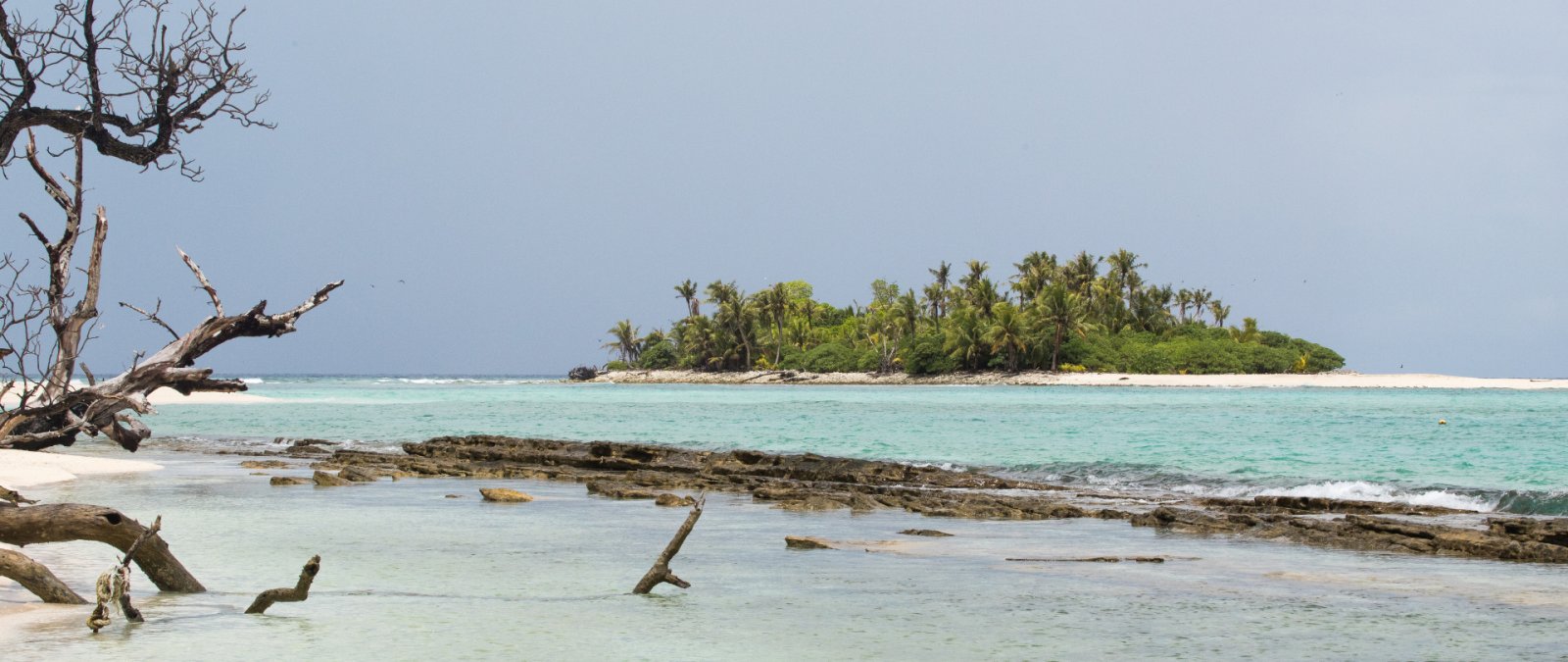
Many western Pacific islands face drought, freshwater shortages, wildfire risk, and agricultural stress. Meanwhile, islands in the central and eastern Pacific may experience unusually intense rainfall, flooding, erosion, and landslides.
For small islands that depend heavily on rainfall for freshwater supplies, these shifts can affect both ecosystems and communities. Islands are home to almost 1/3 of the Earth’s plant biodiversity, and these plants will be the first to suffer when patterns of rainfall change.