






Story audio is generated using AI
With hours left before the end of the UN’s climate change conference (COP31) in Antalya, Turkey, the African group of negotiators will be putting up a fight for the outcomes to include funding worth billions to developing countries to fight climate change.
The second draft decision of COP31, released on Thursday, removed mention of the target of at least $120bn for tripling finance for climate adaptation —which African countries have advocated for developed countries to back.
The current COP has been dubbed an “implementation” and “action COP”, and has seen climate financing being a central part of the negotiations.
Developing countries have pushed for wealthier nations in the Global North, such as the EU, to adhere to the provisions of the Paris Agreement, which states developed country parties shall provide financial resources to assist developing countries with mitigation and adaptation.
The second draft differs from the first draft, which made mention of the amount — the dropping of the $120bn target marks a dent in developing countries’ agendas for grants, not loans, to be made available for implementation in the fight against climate change.
The second draft needs final approval from representatives from the nearly 200 countries taking part in the negotiations, and should there be no consensus on key issues, some might be deferred to the next COP without a solid decision being made.
The tripling of financing for adaptation — the process of creating systems and economies to deal with changing climate conditions — has been at the top of South Africa’s agenda in the negotiations led by chief negotiator Maesela Kekana.
South Africa was among the countries that supported the proposal for adaptation financing to move from $40bn in 2025 to $120bn by 2035.
Ralph Regenvanu, Vanuatu’s energy minister, speaking to Business Day on the sidelines of the conference on Friday, said with hours left before a final outcome, it seemed a decision on the final target of the adaptation finance might be resolved at the next COP in Addis Ababa, Ethiopia.
“I think that decision will be resolved in Addis Ababa on the definitive figures; that will be where we get the solution,” he said.

The second draft makes mention of “the commitment towards the effective implementation of the new collective quantified goal and the call for efforts to at least triple adaptation finance by 2035 in the context of this goal, and resolves to accelerate delivery thereof”.
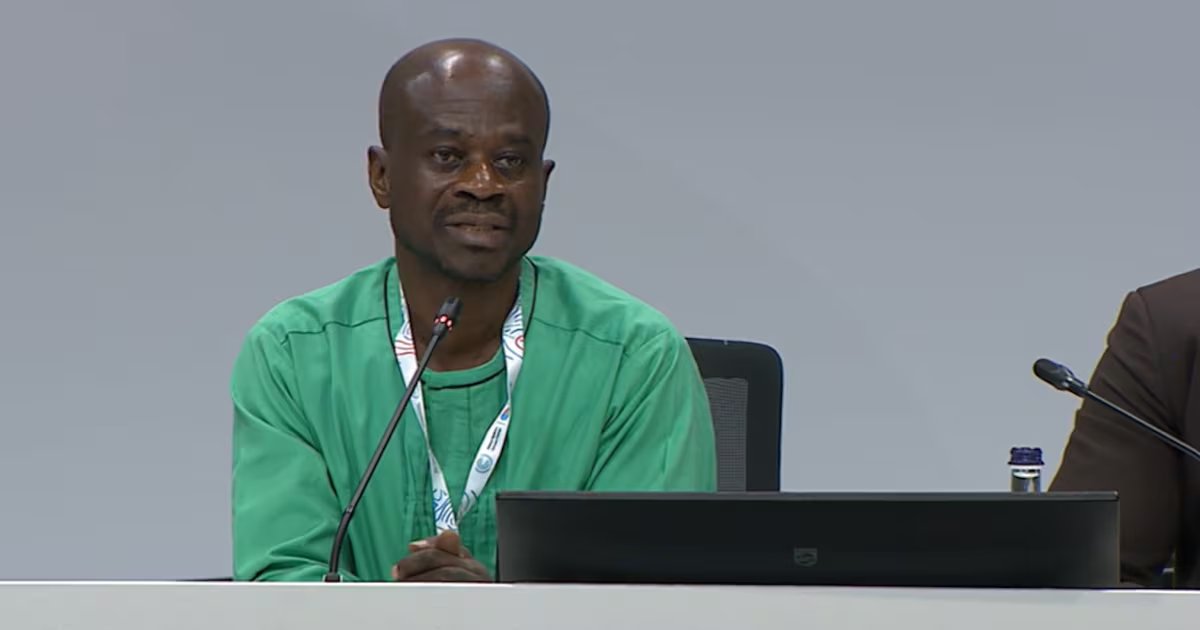
African group of negotiators chair Dr Antwi-Boasiako Amoah, briefing the media after the release of the second draft, said developing countries have been clear during negotiations on the importance of climate financing for implementation.
“We came to this COP with the understanding that this COP will deliver for implementation. Implementation needs means of implementation,” he said.
“The presidency talks about implementation; this means that parties that have responsibilities to deliver means of implementation must keep to the language to deliver this on the ground. This is how and why climate finance is important, especially adaptation finance.”
The first draft decision made a call for accelerated action to phase out fossil fuels, striking at the heart of South Africa’s main source of energy security, but the second draft text did not include this.
Amoah said the African countries came to the COP with an understanding that it would deliver a just transition from fossil fuels to renewable energy: “A transition that is going to be burdensome to the African countries is rejected.”
He made the remarks as African countries have decried that without climate financing, implementation regarding climate change remains just dialogue.
“Adaptation is very important because we are currently talking about an overshoot of temperature. Even within this context of 1.5°C or just above 1.5°C, for Africa it translates to 4.5°C. This means the overshoot is going to bring much harsher conditions to the African continent,” he said.
A UN report published before the conference called on countries to go beyond existing pledges and deliver accelerated action to reduce emissions and tackle global warming.
According to the report, the planet could suffer from significantly warmer temperatures: “If current policies continue, there is a 66% chance that warming will be limited to 2.8°C by 2100, while continuing to increase thereafter.”
Africa group negotiator Tlou Ramaru described adaptation financing as one of the critical points for the continent, adding that if the final text of the COP does not include it, “it would be hard for us to accept the text”.
“Tripling of adaptation finance is one of the big areas of work which we continue fighting for. We have seen a decline in terms of support for adaptation. There was a commitment made in Belém to triple adaptation finance. We are really pushing hard across the different agendas to advance the tripling of adaptation finance,” Ramaru said.
Economist and the group’s lead negotiator, Debra-Lee Swanepoel, who is a director of the National Treasury, said the funding Africa was pushing for was not in the form of loans but grants.
“Ambitious action needs ambitious means of implementation, specifically finance. We need means of implementation, specifically finance, which is concessional and grant-based and does not further indebt our countries. Ambition needs to be supported by ambitious levels of finance as well,” she said.
Negotiations continue taking place in Turkey.
Watch a video of the media conference here.
• Business Day’s costs of covering COP31 in Turkey have been covered by BrandSA.
Business Day