








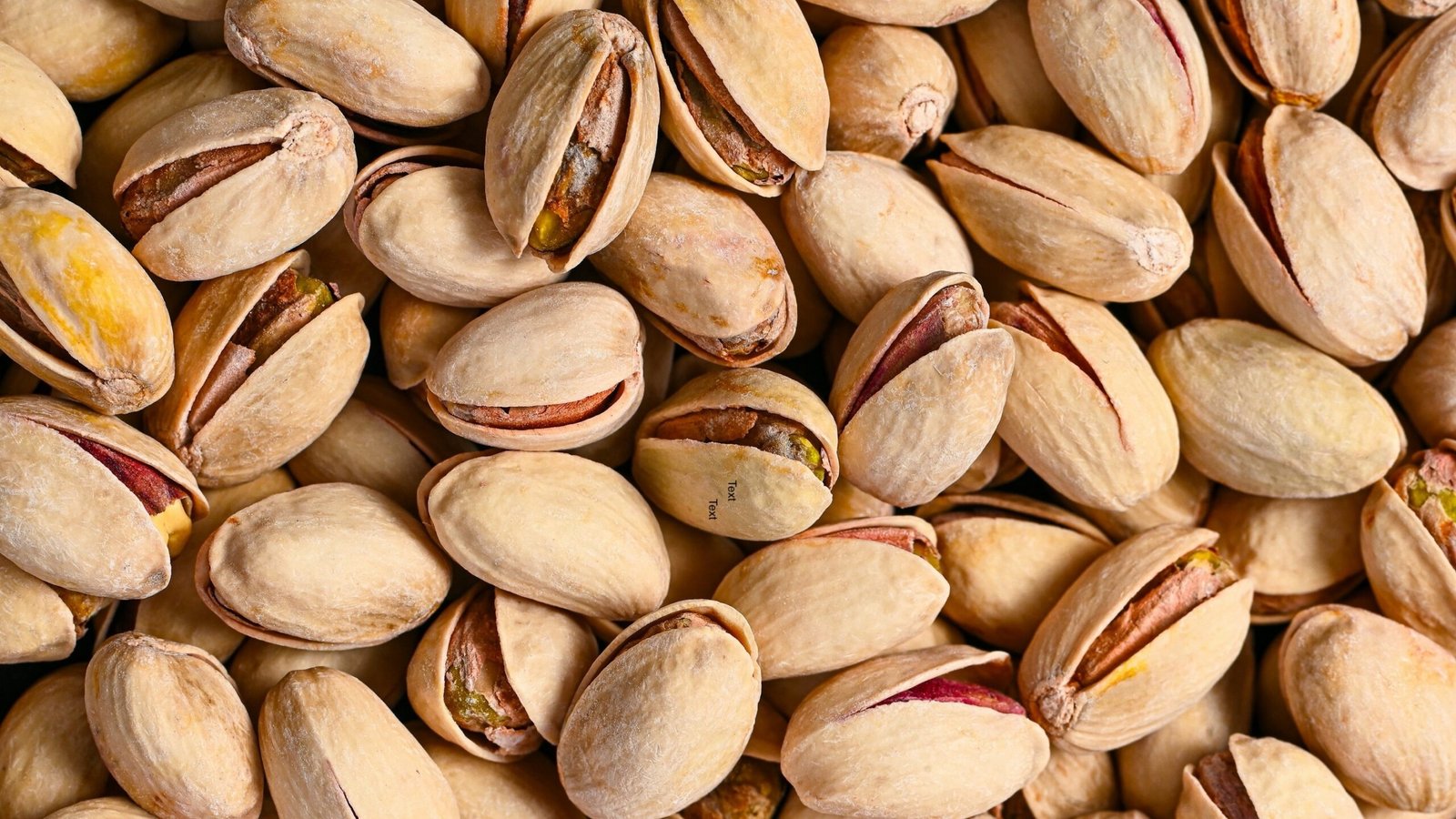
China’s nut market entered its traditional peak season in late October, with demand expected to continue building toward the Lunar New Year holiday. Pistachio prices, which have been rising all year, have climbed steeply since then, with both wholesale and retail prices at their highest in years.
Data from Beijing’s Xinfadi wholesale market show that the average wholesale price was 98 Chinese yuan ($14.69) per kilogram in early January. It did not ease after the Lunar New Year, as it normally does, but rather stayed high. By Oct. 20, the average had reached 125 yuan ($18.74) per kilogram, up more than 27% over the course of the year. Wholesalers are reportedly paying about 112 yuan ($16.79) per kilogram for large lots of unsorted pistachios, and many say that this is the highest price that they have ever paid.
These higher costs have quickly reached consumers. In cities including Chengdu, Hangzhou and Beijing, large-size pistachios at roasted nut shops are selling for 150 to 176 yuan ($22.49 to $26.38) per kilogram, while chain stores are charging 170 to 188 yuan ($25.48 to $28.18). Both are 40–60 yuan ($6.00–8.99) per kilogram higher than at the start of the year. Shelled pistachio kernels have risen in price even more, from about 140 yuan ($20.99) per kilogram in the middle of the year to around 220 yuan ($32.98) per kilogram now, adding to costs for the bakeries and tea shops that use them. Meanwhile, Sam’s Club and Costco have raised prices on their large packs of pistachios, and both have restricted the number of purchases per customer because supply is tight. Because of these limits, resellers are even paying members a markup for the packs that they buy, then selling them online at higher prices.
The main cause is a sharp drop in output in the world’s leading producing regions. According to the International Nut and Dried Fruit Council, global pistachio production in the 2026/27 season is expected to total about 701,000 metric tons, down 36% from the previous season and marking the first time in four years that output has fallen below 1 million metric tons.
In fact, production is falling in both leading regions at once. California, which accounts for more than 60% of world output, is in an off-year of its alternating crop cycle, and extreme heat during flowering hindered pollination and increased the proportion of empty shells. Production there is forecast to fall by more than half from last year. In Iran, the second-largest producer, persistent drought and the off-year of its own crop cycle are expected to cut output by 42%, while geopolitical tensions have blocked logistics routes and raised shipping costs, making export supply less reliable.
Turkey is in an on-year of its own cycle, but its crop is forecast at only about 130,000 metric tons, roughly one-third of the 2024 record, so it will not be able to make up for the shortfall. More than 95% of China’s pistachios are imported, primarily from the United States and Iran, so changes in international supply quickly feed through to the domestic market. Pistachio varieties have been introduced and trial planted for some time in provinces such as Xinjiang and Gansu, but domestic production is scattered, individual orchards are small and mechanized processing facilities are not yet in place. Ultimately, China’s domestic growers will not be able to compete directly with bulk supply from California or fill this year’s gap.
Industry observers expect prices to stay high and see little chance of a significant drop in the short term. The shortfall in the new overseas crop is already set, and the tight import supply is unlikely to ease soon. Demand is also set to rise as the Jan. 1 holiday and the Lunar New Year gift-buying season approach, and the tight balance between supply and demand will continue to support prices. California is still expanding its plantings, and pistachio trees alternate between heavy and light crops, so the current off-year is likely to be followed by a large crop, which would bring prices down.
Image: Unsplash
This article was based on a Chinese article. Read the original article.