







The Tech Buzz may earn a commission when you buy through links on this page. This never affects which products we recommend or what we say about them. As an Amazon Associate we earn from qualifying purchases.
A striking divide is emerging in how shoppers interact with AI agents. While nearly three-quarters of consumers now trust artificial intelligence to guide their purchasing decisions, that confidence evaporates the moment they reach checkout, according to new research. The finding reveals a critical trust gap that could determine which retailers win the AI shopping revolution and which get left behind as autonomous agents reshape e-commerce.
The numbers tell a story of cautious optimism turning into outright skepticism. Three-quarters of consumers now feel comfortable letting AI agents guide their shopping decisions, a remarkable vote of confidence for technology that barely existed in its current form two years ago. But ask those same shoppers to let an AI agent actually complete a purchase, and the trust disappears.
The data arrives as retailers race to deploy increasingly sophisticated AI shopping assistants. Amazon has been testing AI agents that can handle entire shopping trips. Google recently expanded its Shopping AI to provide personalized recommendations. Meta launched Muse, an AI shopping agent that scours the web for deals. Yet eBay blocked Meta’s Muse and other AI agents from its platform just weeks ago, citing concerns about automated purchasing.
The trust paradox reveals a fundamental tension in how AI agents are evolving. Consumers clearly value the convenience of having an intelligent assistant parse through thousands of product reviews, compare prices across retailers, and surface options they might have missed. That’s advice and curation, roles humans have always delegated to trusted sources.
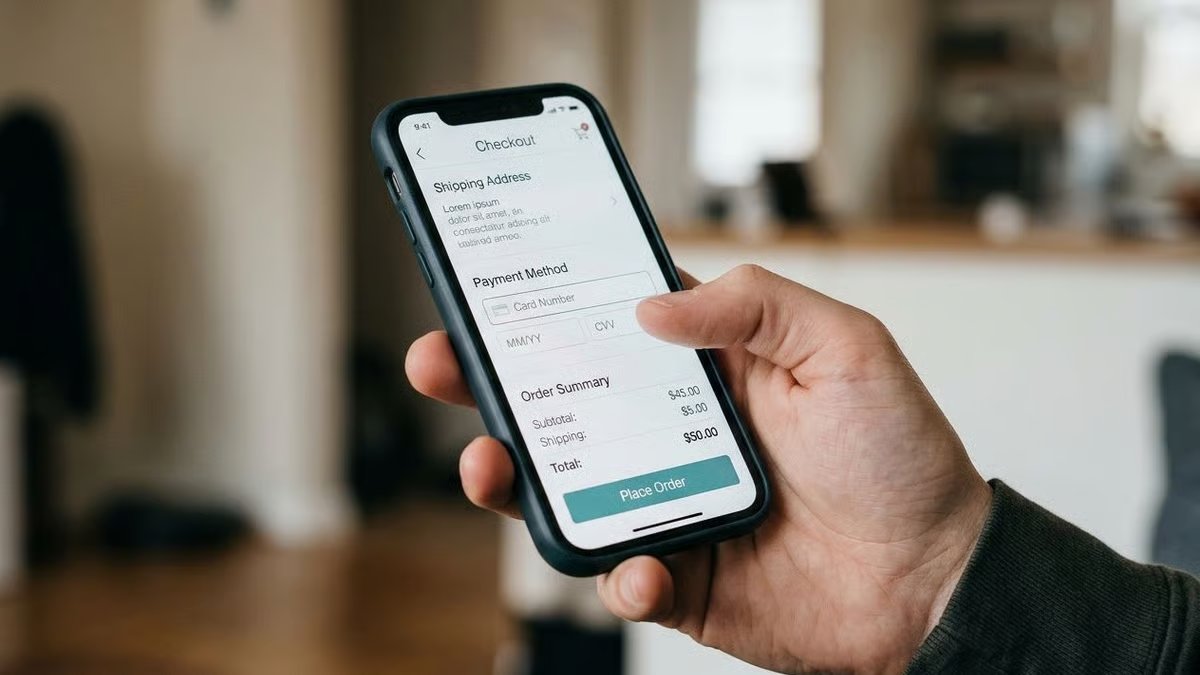
But handing over payment information and authorizing a transaction? That crosses into territory where consumers want to maintain control. It’s the difference between asking a friend for restaurant recommendations and giving them your credit card to order for you.
The implications for retailers are massive. Companies investing heavily in AI shopping agents face a crucial design question: build assistants that guide humans to checkout, or push toward fully autonomous agents that can complete purchases independently. The 74% trust figure suggests the advisory model has already won consumer acceptance. The checkout hesitation indicates the autonomous model still has work to do.
JPMorgan and Hyundai Card are building AI agents for autonomous payments, betting that machine-to-machine transactions will eventually become the norm. But consumer retail might follow a different path than B2B payments. Shoppers want AI to enhance their decision-making, not replace it entirely.
The trust gap also explains why some retailers are moving cautiously. While Amazon built an entire AWS emulator using AI agents, demonstrating confidence in autonomous AI for internal tools, its consumer-facing shopping agents remain firmly in advisory mode. The company knows that pushing too hard on automation could trigger the exact trust collapse this data reveals.
Security and privacy concerns likely drive much of the checkout hesitation. Consumers have spent years learning to be cautious about where they enter payment information. Training them to trust an AI agent with purchasing authority requires overcoming deeply ingrained digital safety habits. One compromised agent could theoretically rack up fraudulent charges across multiple retailers before a human notices.
The research also highlights a broader pattern emerging across AI agent deployment. Recent studies show AI agents display troubling ethics gaps in team settings, raising questions about how well these systems align with human values and intentions. If an AI agent makes a purchase that technically matches your stated preferences but completely misses your actual intent, who’s responsible?
Retailers now face a strategic choice. They can lean into the 74% trust figure and build increasingly sophisticated advisory agents that stop short of checkout. Or they can work to close the trust gap through transparency, controls, and safeguards that make consumers comfortable with autonomous purchasing.
The middle ground might be the smartest play. AI agents that can add items to cart, apply coupons, and handle everything except the final authorization give consumers the convenience of automation while preserving the control they clearly want. It’s a one-click model where the AI does the work but humans keep their finger on the button.
As AI shopping agents proliferate, this trust dynamic will determine which features gain adoption and which remain theoretical. The 74% figure proves consumers are ready to embrace AI in their shopping journey. The checkout hesitation proves they’re not ready to hand over the keys entirely.
The data reveals a retail AI landscape where consumers want intelligence without surrendering autonomy. Retailers who recognize this distinction and design AI agents that enhance rather than replace human decision-making will capture the trust dividend. Those who push too hard toward fully autonomous shopping risk triggering the exact backlash that could stall AI adoption. The opportunity is enormous, but it requires meeting consumers where they are: enthusiastic about AI advice, protective of purchasing control.