







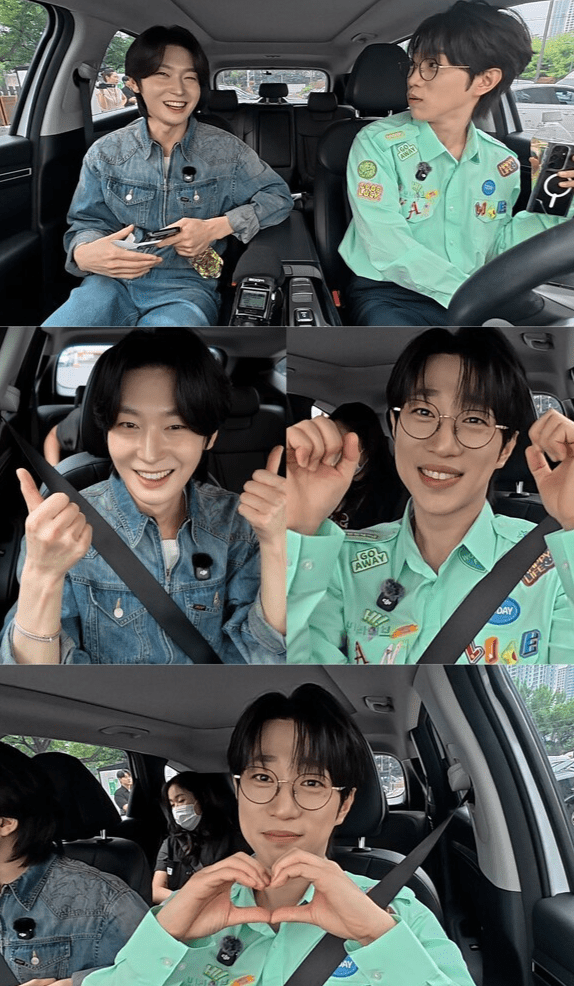
[News Culture] A K-pop performance can travel around the world long after its original broadcast, carried by fan-edited clips, translations and social media posts. A dance challenge can introduce a song to people who have never heard of the artist, while a fan-organized event can bring hundreds of strangers together around a shared interest.
For entertainment companies, these activities have become an important part of how content reaches audiences. For fans, they offer opportunities to create, collaborate and build communities around the artists and stories they follow.
Over the past 20 years, fandom has developed into a powerful presence in the entertainment business. Fans still buy albums, tickets and merchandise, but they also produce material that circulates independently of official promotional campaigns, organize events and provide feedback that companies increasingly monitor when making commercial decisions.
Their growing influence has created new opportunities for artists and businesses while complicating the relationship between them. As entertainment companies build services around fan participation, questions about creative freedom, privacy, commercial pressure and the value of unpaid fan activity have become increasingly difficult to separate from the business itself.
From fan clubs to global networks
Long before social media, Korean pop fans had developed sophisticated ways to organize themselves.
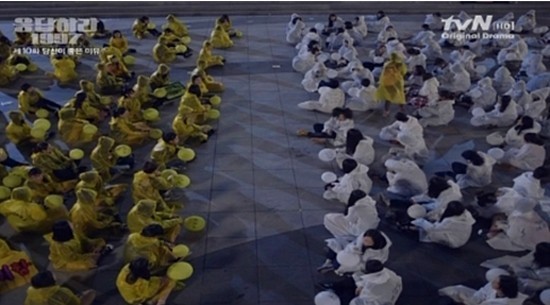
In the 1990s and early 2000s, official fan clubs played a central role in the careers of groups such as H.O.T. and Sechs Kies. Supporters attended concerts and television music programs, coordinated album purchases and mobilized votes for award ceremonies. Fan clubs also organized charitable donations and volunteer projects in the names of their favorite artists.
These activities demonstrated the collective power of fandom well before online engagement became an important measure of commercial success. A group’s supporters could fill a concert venue, influence music program rankings and attract public attention through coordinated campaigns.
Yet the relationship between fans and the entertainment industry remained largely structured around official schedules and distribution channels. Record labels controlled releases, broadcasters determined programming, and distributors supplied music and merchandise. Fans could organize around those activities, but they had relatively limited opportunities to influence how content circulated beyond established channels.
Internet fan cafés began changing that arrangement. Online communities made it possible to share updates, maintain archives and coordinate activities without requiring members to meet in person. Information could circulate quickly, and fans living far from major cities gained more opportunities to participate.
Social media widened those networks considerably. Posts that once circulated within dedicated fan communities could now reach people with no previous connection to an artist. Videos, photographs and discussions moved across platforms and national borders, allowing international fans to discover Korean entertainment through one another.
Language remained an obstacle, but fan communities developed their own responses. Volunteers translated interviews, provided subtitles and explained cultural references for international audiences. In some cases, those translations became the primary way overseas fans followed an artist’s activities.
The result was a different kind of fan network: one that could organize internally while communicating with a much larger public. Its members were no longer dependent entirely on entertainment companies to introduce material to new audiences.
Fans become creators and promoters
The expansion of social media gave fan-made content a level of visibility that would have been difficult to achieve through traditional fan clubs.
Fan art, fiction, concert recordings, edited videos and translated interviews became familiar features of online entertainment culture. Some circulated primarily among existing supporters, while others introduced artists and productions to audiences who might never have encountered the original material.
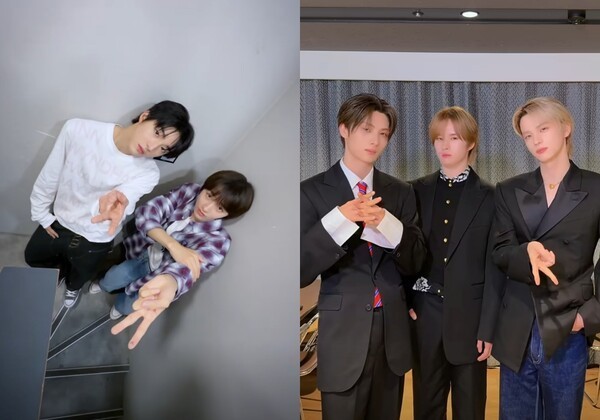
A performance clip could draw attention to a particular singer. A translated interview could make an artist accessible to viewers in another country. Memes and dance challenges could carry a song beyond its established audience, sometimes attracting people more interested in the circulating video than in the original release.
These forms of participation have been particularly influential in K-pop, where fans regularly collaborate across languages and time zones to share information and promote music. Some fan-run accounts and channels have developed substantial followings, becoming recognizable sources of news, commentary and creative material within their communities.
The changing role of audiences has also become a subject of discussion within the cultural industries.
At the 2025 Content Industry Forum organized by South Korea’s Ministry of Culture, Sports and Tourism and the Korea Creative Content Agency, speakers examined how people from different cultural backgrounds were using entertainment to create shared experiences. Fans were increasingly described as active participants who interpret, produce and distribute material rather than simply receiving finished works.
Their contributions can extend the commercial life of a song, film or television series. An older performance may attract renewed attention through an edited clip, while an independently produced translation can make an interview accessible to an international audience months or years after its release.
The work remains distinct from the original creation. Fans may reinterpret or promote a production, but they do not thereby acquire authority over the artistic decisions that produced it. Copyright and permissions also determine how fan-made material can legally be used or distributed.
Much of this activity is voluntary. Fans create because they enjoy the process, want to share their interests or value recognition within their communities. Entertainment companies may benefit from the resulting publicity without having commissioned the work.
That overlap between personal enthusiasm and commercial benefit has become one of the defining features of modern fan culture.
The business built around fandom
The growth of online communities has given entertainment companies new ways to communicate with audiences and understand their interests.
Artists can respond to fans through livestreams, while companies can monitor public reactions to music, performances, visual concepts and merchandise. Comments and discussions provide immediate feedback, and fan activity may indicate demand for future concerts, products or events.
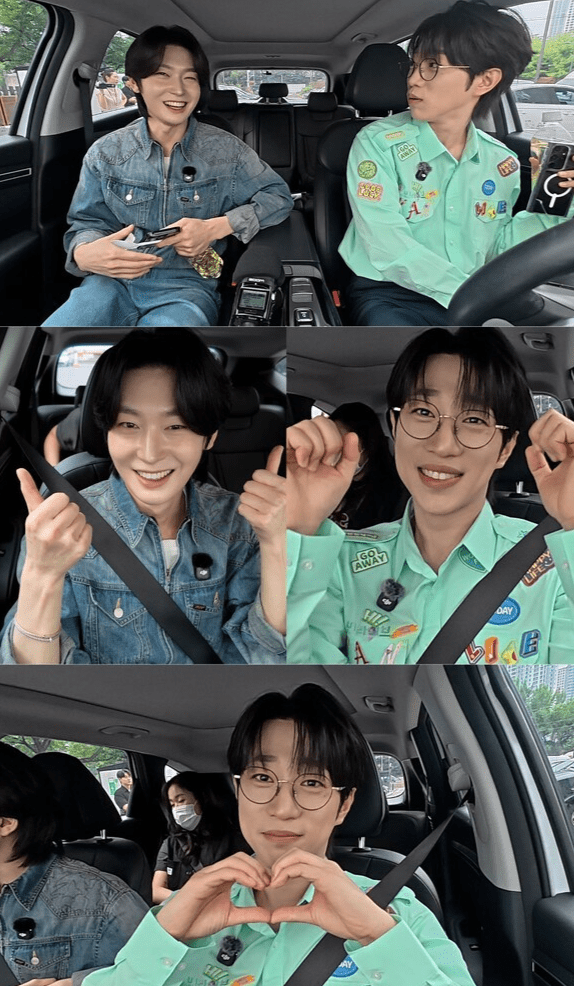
These exchanges can influence business planning, although online reactions are not always representative of an artist’s entire audience. A vocal group of supporters may generate considerable attention without reflecting the preferences of less active fans.
The distinction matters when companies interpret audience feedback. Strong interest in a product may support plans for a release, but creative decisions remain the responsibility of artists and producers. Listening to fans does not require allowing public pressure to determine every aspect of a performer’s work.
Fan participation has also moved into physical spaces.
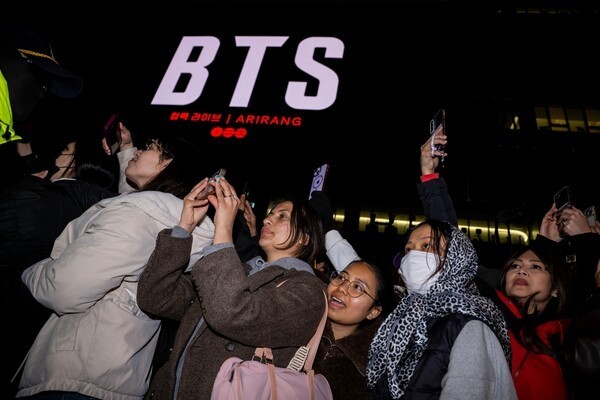
Birthday cafés, fan-organized exhibitions, group screenings and charitable gatherings have become established parts of contemporary fandom. Supporters often organize these events independently, arranging venues, decorations and activities through online communities.
The events allow people who may know one another primarily through digital platforms to meet and participate in shared experiences. They also generate new material for online circulation, as photographs and videos from the gatherings reach fans who could not attend.
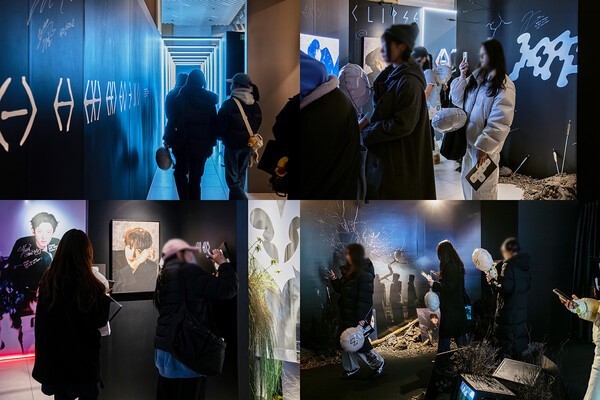
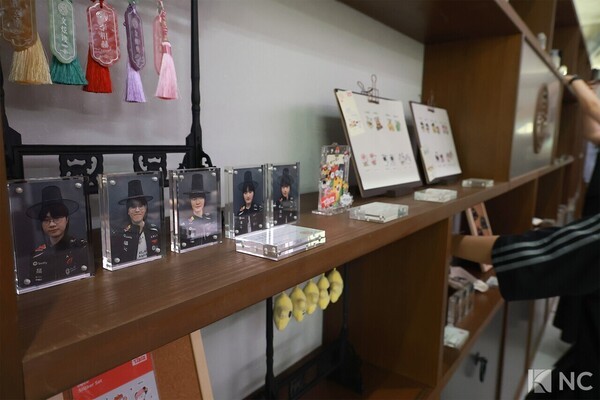
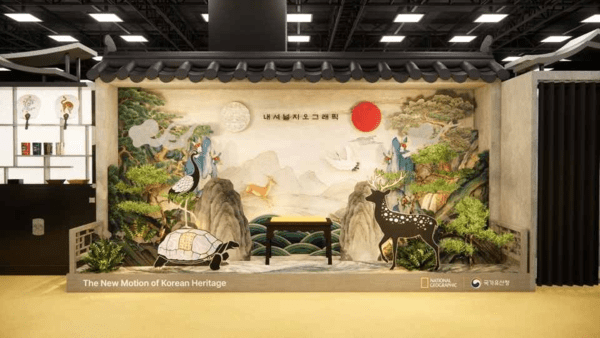
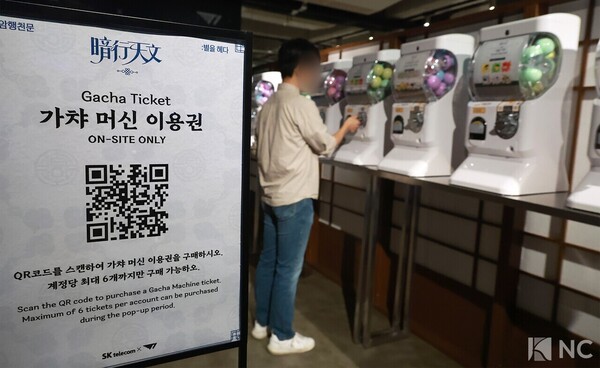
Entertainment companies and brands have increasingly adopted similar formats for official promotions. Pop-up stores and interactive exhibitions now combine merchandise with photo zones, installations and activities designed for sharing on social media.
A store may function as both a retail space and an event destination, encouraging fans to spend time together while creating material that promotes the experience to others.
This approach has helped expand the commercial value of fandom beyond individual releases. Companies can maintain contact with audiences through memberships, exclusive content, live events and merchandise, while fans gain more opportunities to participate between major projects.
Dedicated platforms have brought many of those activities into a single digital environment.
Weverse, Berriz and b.stage offer different combinations of fan communication, content, membership and commerce. Their operations illustrate how entertainment companies and technology providers are building services around continuing relationships with audiences.
HYBE reported that Weverse reached 14.43 million monthly active users in the second quarter of 2026. Kakao Entertainment’s Berriz recorded more than 1.7 million votes from fans across 202 countries during the first week of overseas voting for the 2026 Melon Music Awards. Meanwhile, b.stage surpassed one million monthly active paid subscribers in December 2025, according to its operator.
The figures measure different kinds of activity and cannot be used to rank the platforms directly. Monthly active users, voting totals and paid subscriber counts describe distinct aspects of audience participation.
They nevertheless demonstrate the scale at which fan communication and commercial activity now take place through dedicated services.
For entertainment companies, these platforms provide information that was previously scattered across social media, ticketing services and online stores. Membership activity, purchasing records, comments and voting patterns can help identify demand across different regions and audience groups.
A concentration of active users in a particular market may encourage consideration of a local event, while purchasing behavior can inform merchandise planning. Digital platforms also allow companies to sell services and products directly to fans, reducing their reliance on some traditional promotional channels.
The model has expanded beyond K-pop. Webtoon publishers and game developers have introduced programs that allow fans to create material using established intellectual property under specified conditions. Music and video platforms have explored ways to accommodate remixes and fan-made videos through licensing arrangements.
Film distributors, theater producers, sports organizations and consumer brands have also adopted elements of fandom marketing, including memberships, online communities and interactive events.
The commercial opportunities are substantial, but they depend on something that cannot be measured entirely through user activity or sales: the relationships that encourage people to participate.
Where participation meets commercial pressure
Fan communities often provide experiences that extend well beyond the original entertainment product.
People collaborate on translations, illustrations, videos and community projects. They organize fundraising campaigns, share technical skills and form friendships with others who may live in different countries or speak different languages.
For some participants, fandom becomes a place to learn creative skills or gain experience organizing events. Others value the social connections and sense of belonging that develop through shared interests.
Those activities may benefit entertainment companies, but they are not necessarily undertaken for commercial purposes. Treating every fan contribution as promotional work risks overlooking the personal and community value that motivates participation.
As companies expand paid memberships and exclusive services, they must also consider the expectations created around spending.
Albums, collectible merchandise, premium access and limited-edition products can be important sources of revenue. They can also encourage competition among supporters, particularly when purchasing is closely associated with loyalty or access to an artist.
Fans should be able to decide how much time and money they devote to their interests without being pressured to demonstrate commitment through repeated purchases. Companies, meanwhile, face questions about whether their commercial practices encourage excessive spending or take advantage of emotional attachment.
Fan-created material presents another set of concerns. Artwork, writing, translations and edited videos may help promote a production, but their use is subject to copyright and other intellectual property rights.
Clear permissions and consistent policies can allow fans to understand which activities are acceptable while protecting original creators. Uncertainty over those boundaries can create conflict when content that began as voluntary fan work becomes commercially valuable.
The growth of fandom platforms has also made privacy an increasingly important issue.
Services collecting personal information, purchasing histories and behavioral data have responsibilities concerning how that information is stored, used and protected. Community operators must also address harassment, hate speech and invasions of privacy that can spread rapidly through highly organized online networks.
These are not problems that fans can resolve alone. The companies and platforms benefiting from audience participation have a role in establishing the conditions under which that participation takes place.
The limits of fan influence
The closer relationship between artists and their audiences has made communication easier, but it has also complicated expectations.
Fans may feel personally connected to performers through frequent livestreams, social media posts and direct messages. Such interactions can strengthen engagement, yet they may also create a sense of access that goes beyond the relationship an artist intends to offer.
Supporting a performer does not give an audience the right to control that person’s private relationships, identity or creative decisions. Fans are free to criticize music, performances and professional choices, but disappointment does not justify harassment, threats or invasions of privacy.
Similar boundaries apply within fan communities. Rivalries between supporters can generate excitement and competition, but organized hostility toward other artists or fandoms can quickly become abusive.
The ability to collaborate across borders is one of fandom’s strengths. Communities can bring together people who would otherwise have little reason to interact, creating shared cultural experiences across national and linguistic differences. That potential is weakened when participation becomes exclusionary or when disagreement is treated as hostility.
Artists and producers also have responsibilities in these relationships. Direct communication can make audiences feel valued, but maintaining appropriate boundaries protects both performers and supporters.
Companies should avoid encouraging expectations that artists cannot reasonably meet, particularly when exclusivity and personal access form part of a paid service.
A sustainable relationship requires room for fans to participate and express opinions without assuming control over the original work. It also requires artists to retain creative independence while recognizing the importance of the people who support their careers.
The next chapter of fan culture

Twenty years ago, the influence of an organized fandom was most visible in concert crowds, album sales, television votes and fan club campaigns.
Today, supporters can help carry a song into international markets, organize events in different countries and build communities that remain active long after an artist’s promotional schedule has ended. Their translations, videos, artwork and discussions have become part of how entertainment is discovered and shared.
The entertainment business has adapted to that activity. Digital platforms connect communication with membership and commerce, while companies use audience data to plan products and events. Fan participation has become commercially valuable across music, television, film, gaming and other cultural industries.
The expansion has given fans greater visibility and influence, but it has not erased the distinction between supporting creative work and directing it.
Fans can contribute to the circulation and interpretation of entertainment without assuming ownership of an artist’s private life or creative choices. Companies can develop businesses around audience engagement without treating every interaction as an opportunity to generate revenue.
The next stage of fandom will be shaped by how these interests are managed. Commercial growth may depend on memberships, purchasing activity and engagement, but the communities behind those numbers are sustained by shared interests, creative expression and relationships among participants.
For entertainment companies, maintaining those relationships will require more than attracting new subscribers or selling additional products. It will mean protecting privacy, respecting fan-created culture and giving artists the freedom to develop their work.
Fans have become an important part of how popular culture is created, interpreted and distributed. Whether that influence remains constructive will depend on the boundaries maintained by artists, audiences, businesses and the platforms connecting them.
Reported by News Culture M.J._mj94070777@nc.press
* This article was manually prepared as a translated piece and later proofread and reviewed with the assistance of AI.