





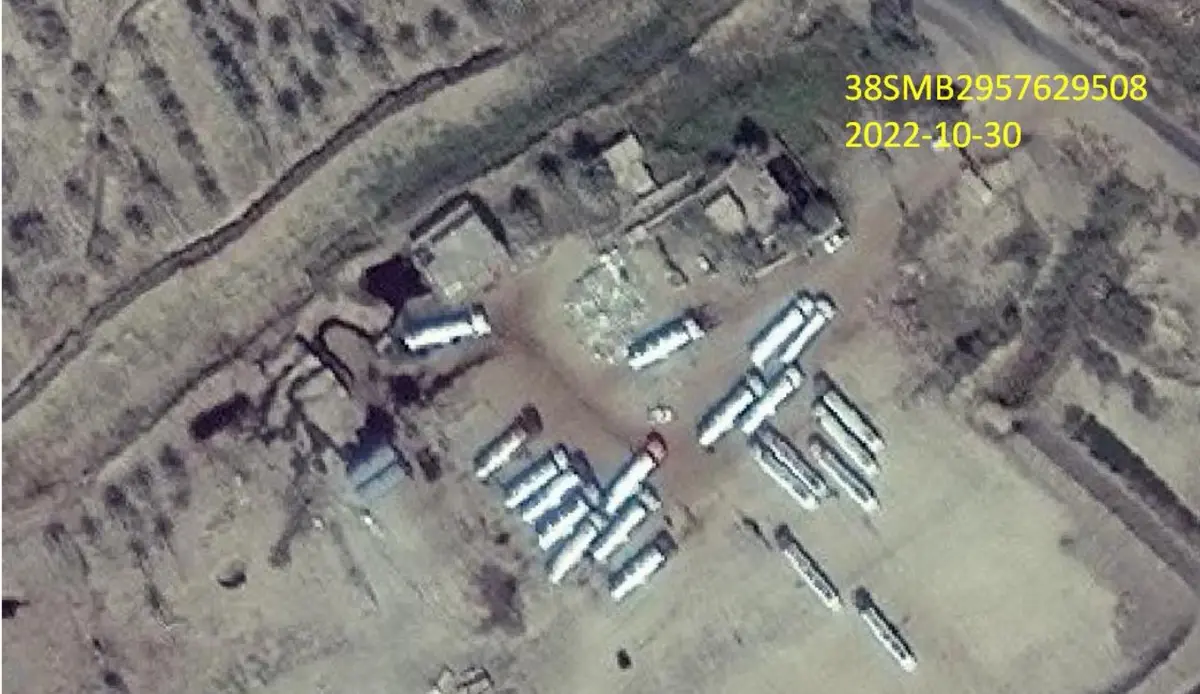
ERBIL, Kurdistan Region – Iraqi Prime Minister Ali al-Zaidi has ordered a high-level investigation into alleged oil smuggling in Jurf al-Sakhr, where the pro-Iran Kataib Hezbollah wields considerable influence, following leaked intelligence reports that have sparked a widening political controversy.
The investigative committee comprises senior security, intelligence, oil ministry, and oversight officials according to a decree published by the state-run Iraqi News Agency (INA) on Friday.
The order, dated Thursday, November 12, appoints the director general of the Popular Mobilization Forces’ (PMF) Security and Discipline Directorate Sheikh Ali al-Zaidi to chair the committee, tasking it with verifying information about the smuggling of petroleum products in Jurf al-Sakhr, taking necessary measures, and reporting its findings to the prime minister’s office.
The committee includes Prime Ministerial Advisor Muayyad al-Saadi, the secretary for intelligence and security affairs at the Office of the Commander-in-Chief, the director of investigations at the Federal Commission of Integrity, and a representative of the oil ministry serving as director general of the Oil Products Distribution Company.
Its membership also includes the deputy commander of the Federal Police, the deputy head of the Counter-Terrorism Service, the interior ministry’s director of intelligence and counterterrorism, its director of operations and director of forensic evidence, and the director of the Energy Police.
The latest order comes amid growing scrutiny of alleged oil smuggling in Jurf al-Sakhr, also known as Jurf al-Nasr to pro-Iran armed factions, a heavily militarized area south of Baghdad where the Iran-aligned Kataib Hezbollah wields considerable influence.
The allegations emerged as the government intensified pressure on armed factions to surrender weapons outside state authority and sought to curb their alleged economic interests.
On Monday, several Iraqi media outlets simultaneously published details of a purported 19-page intelligence report alleging organized oil theft in the area dating back to 2021.
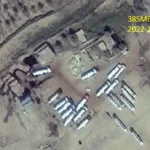
INA on Thursday cited an unnamed source who confirmed the authenticity of the report. The source claimed that those responsible used underground pits to store stolen crude, concealed pipeline breaches and loading areas beneath white metal structures, and operated a small illegal refinery. The source also alleged that tanker movements intensified at night to avoid surveillance.
The allegations have prompted a separate parliamentary investigation. On Wednesday, Parliament Speaker Haibat al-Halbousi ordered the formation of a temporary committee headed by Security and Defense Committee Chair Khalid al-Obaidi to examine the intelligence reports.
According to the official parliamentary statement, the committee also includes the heads of committees responsible for integrity, legal affairs, finance, oil and gas, regional and provincial affairs, planning and government programs, religious endowments, border crossings, and national product protection.
The parliamentary investigation also covers intelligence concerning alleged oil smuggling from Kirkuk and the Kurdistan Region through Iran to Afghanistan, as well as the attack on the Khor Mor gas field.
The controversy has meanwhile engulfed Babil Governor Ali Turki al-Jamali, who announced his resignation on Thursday, two days after visiting Jurf al-Sakhr with journalists and rejecting reports of smuggling. Turki maintained that a site identified in the intelligence reports was an old fuel station used to supply vehicles belonging to the PMF and Federal Police.
Turki subsequently told Qatar-funded Al Jazeera that he had submitted his resignation because of the oil-smuggling controversy in Jurf al-Sakhr, without elaborating on the circumstances. However, later Thursday, Turki and the governorate’s official social media account published messages indicating that he was continuing his duties, leaving the status of his resignation unclear.
Turki has been politically associated with Sadiqoun, the political wing of Asaib Ahl al-Haq, led by Qais al-Khazali. Iraqi outlets reported that Khazali had pressured Turki to resign after he publicly disputed the intelligence findings. The claim has not been independently verified.
The reported dispute comes amid a widening political divide among Iraq’s Iran-aligned armed factions. Asaib Ahl al-Haq and other former paramilitary allies have supported Zaidi’s efforts to restrict weapons to state control, while Kataib Hezbollah has resisted committing to disarmament.
Jurf al-Nasr, approximately 60 kilometers southwest of Baghdad, was retaken from the Islamic State (ISIS) in 2014. Kataib Hezbollah subsequently established a powerful presence in the area, while many of its predominantly Sunni residents have remained displaced and unable to return.