
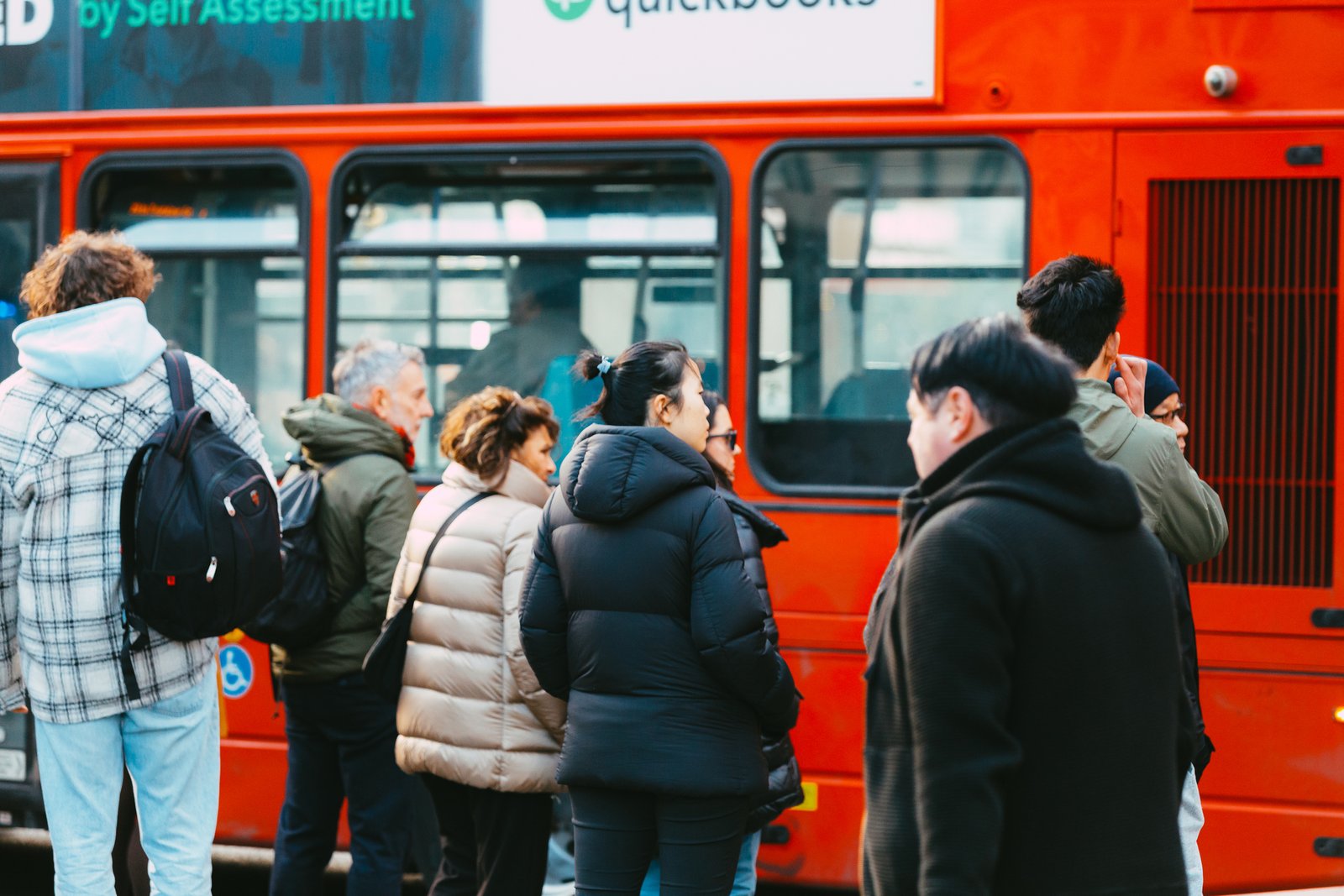
Imagine you’re on the bus home when another passenger starts behaving aggressively or making unwanted, explicit comments. You want to report it discreetly. But who do you contact? The bus company? The police? The council? Is there a number to text or an app to download?
And why should someone already feeling worried have to figure that out?
Around 11 million bus journeys are made every day. Buses connect people to work, school, shops, friends and family, giving us the independence to go where we want, when we want.
The overwhelming majority of journeys are safe. But when harassment, intimidation or anti-social behaviour does occur, passengers deserve to know that help is at hand.
That’s why we were delighted to join the Confederation of Passenger Transport (CPT) recently to launch its new industry charter tackling anti-social behaviour and violence against women and girls.
It’s an important step forward. And we believe there’s an opportunity to go further.
Keeping buses safe and welcoming: Alex Mayer MP
Every day, millions of people hop aboard a bus or coach surrounded by well-behaved passengers. And that’s exactly how it should be. Transport Focus research found that eight in 10 passengers feel safe on board.
But occasionally a handful of troublemakers can spoil things for everyone else. Bus operators raise this with me, particularly the importance of supporting drivers and frontline staff when incidents occur.
That’s why I welcome CPT’s practical, common-sense charter launched last week in parliament.
Better training for drivers. Making good use of CCTV to help police identify offenders. Sharing intelligence and getting operators, councils and police working together to nip problems in the bud. It’s good stuff, much of which bus and coach operators can get on with delivering.
There are already good ideas we can build on. For example, in the West Midlands, passengers can discreetly report anti-social behaviour by text.
Serendipitously, the charter came in the week that the prime minister got tough on so-called “headphone dodgers”. That’s a type of anti-social behaviour that many constituents raise with me. So that’s welcome.
But while a few areas have dedicated transport safety officers, very many do not. We need to make sure these new powers can work on a bus in a market town, not just in our biggest cities.
Above all, I see the charter as about building confidence. So more people hop aboard. Most journeys are already safe, but knowing there’s an easy way to report problems and that action will follow will give passengers that extra reassurance.
Women should not have to organise their lives around fear: Elsie Blundell MP
For far too many women and girls, being constantly “on guard” has become an almost routine part of travelling.
Choosing where to sit. Keeping a phone close at hand. Thinking twice about travelling alone after dark. These are calculations no woman should make simply to get from A to B.
Nearly one in three women experienced sexual harassment on public transport in the previous 12 months.
Among women aged 18 to 34, that rose to a shocking 54%.
The government has rightly made tackling violence against women and girls a national priority. That ambition must extend to the everyday experiences of women travelling by bus. To that end, I welcome the charter’s clear commitments to promote an environment where unacceptable behaviour is challenged, victims feel supported, and better data is collected to understand the scale of the problem.
But we need to go further. At present, reporting an incident can mean navigating a confusing mishmash of different systems, with support varying considerably depending on where in the country you live.
That’s why, alongside the charter, we support calls to create a simple, national digital reporting system for all forms of harassment, crime and anti-social behaviour on public transport, something we know ministers are looking into.
The principle is simple. Wherever you are, there should be one clear, recognisable way to report a problem and seek help. A live chat function could connect passengers directly with local transport safety teams or police, offering advice and reassurance while they’re still travelling.
Emergencies would, of course, still mean calling 999. This isn’t about creating a great new bureaucracy, but joining up existing systems and making them work better for passengers.
Greater Manchester, in my part of the world, is already showing what’s possible. Its TravelSafe Partnership brings police and operators together, with a new 24/7 LiveChat service launched last October by the then mayor Andy Burnham, allowing passengers and staff to discreetly report incidents in real time.
It’s precisely the kind of practical solution we should be looking to roll out across the country.
Next stop?
The charter is a welcome commitment from industry. Now we need to go even further – introducing one recognisable national digital reporting system on public transport.
Eleven million people catch the bus every day. Every single one deserves to feel safe.








Leave a Reply