
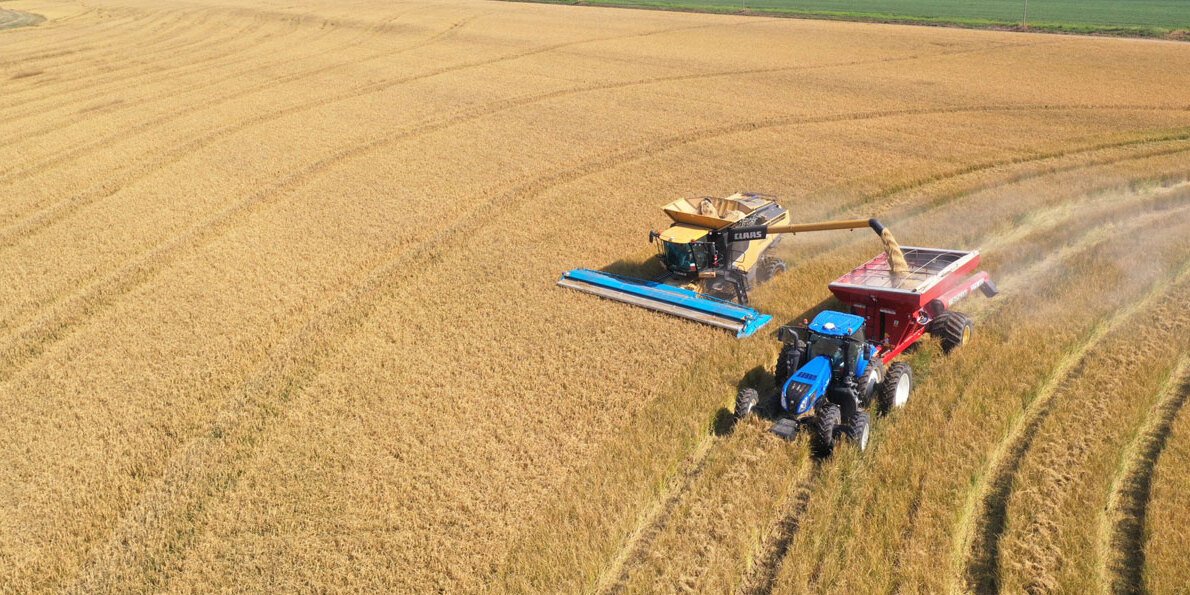
The federal government has not passed a Farm Bill since 2018, but U.S. Sen. John Boozman, R-Ark., believes one will be passed before the end of the year. Boozman, the current chair of the U.S. Senate Committee on Agriculture, Nutrition & Forestry recently spoke at the Fryar Price Risk Management Center of Excellence and at a roundtable talk with leaders in the state’s rice industry.
Lawmakers were slated to pass a new Farm Bill in 2023, but were unable to do so leaving the last Farm Bill in effect. Boozman noted that the price points in that bill were based on figures from 2012 and are woefully outdated.
“Farming is certainly a risky business. Producers have experienced years of economic pressures and delays in updating policies, which added to these challenges. The farm community is rightfully looking to Congress for modernized policies that can help with current conditions and give them predictability and certainty for the future,” he said.
The sector has been blitzed by trade wars, tariffs, shrinking international markets and a surge in input costs, largely fueled by record diesel and fertilizer prices due to President Donald Trump’s war with Iran. Drought and low water levels on the Mississippi River have only added to farmers’ woes this harvest.
“When producers face these financial pressures, year after year, and they see the numbers continue in the red, they have very difficult decisions,” Boozman said. “Some are selling equipment, scaling back operations, or questioning whether they have a future in the industry at all.”
It’s estimated that 25% of Arkansas’ farms have been shuttered in the last 18 months and that number could climb even higher before the spring.
“We cannot afford to lose the farms and the people who grow our food because the policies have failed to keep pace with the reality of modern agriculture and an evolving economy,” he said. “Since the last Farm Bill was signed into law in 2018, circumstances have changed dramatically. In fact, the 2018 Farm Bill was based on 2012 data. The world is totally different now than it was then.”
He noted the Working Families Tax Cuts Act delivered improvements to farm safety net programs like ARC and PLC — Agriculture Risk Coverage and Price Loss Coverage — and with Arkansas farmers estimated to receive nearly $1 billion, “those resources matter to producers, and we’re continuing to build on these improved policies through Farm Bill 2.0.”
One sector that has been hit particularly hard is the rice sector. Arkansas produces about the nation’s rice and this year rice acres dropped to 730,000 – a nearly 30% decrease from the year before.
Rice imports have surged in recent years and industry leaders think trade policies need to be changed to level the playing field for domestic growers.
Rich Hillman, Riceland’s chairman of the board of directors, expressed deep concern about current trade policy and how rising imported rice affects Arkansas rice growers.
“The rapid growth of heavily subsidized imported rice in the domestic market is creating an uneven playing field for U.S. rice producers at a time when farmers are already struggling with economic pressures,” Hillman said. “Senator Boozman has long supported Arkansas rice farmers, and we appreciate Senator Boozman’s commitment to finding solutions that preserve the future of Arkansas rice farming.”
Riceland President and CEO Kevin McGilton explained to the Senator and his staff the need for clear signals from the U.S. government that truly support the U.S. rice industry and its future.
“Farmer-owned cooperatives make long-term investments in infrastructure, people, and communities,” McGilton said. “To continue making those investments, we need confidence that the United States remains committed to supporting a strong and competitive domestic rice industry.”
Producers Rice Mill CEO Keith Glover asked for action to stem the influx of imported rice into the U.S. and protect the domestic market.
“I’ve been hopeful to see the Trump administration launch a Section 301 investigation for rice,” Glover said. “If something isn’t done to slow imports, you will see a huge change in infrastructure in the future. It’s scary.”










Leave a Reply