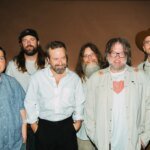





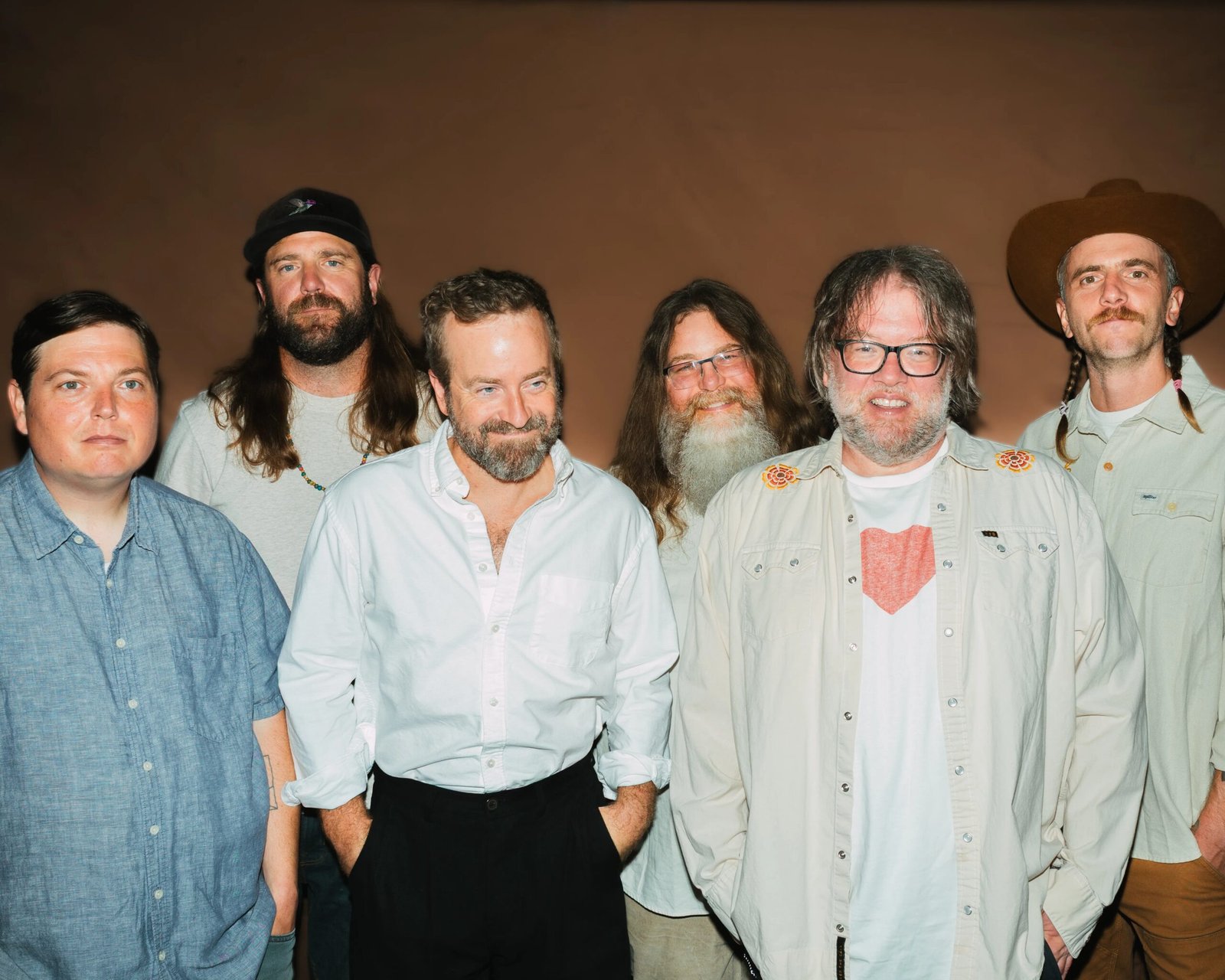
With their newly released 10th album “Good Dogs,” Minnesota bluegrass band Trampled by Turtles went analog. Until the new year, the only way to hear it is on vinyl or on independent radio stations that choose to play it.
“I was feeling overwhelmed by the digital influence in my creative process,” said bandleader Dave Simonett. “Everything’s recorded on a computer, everything is put on social media. Everything just felt like I was losing touch with the physical realm a little bit, you know?”
Unplugging from the grid has been central to the group from the very start, when Simonett formed the band in Duluth in 2003 after all of his musical equipment was stolen, save for an acoustic guitar. He found a group of like-minded musicians and began performing bluegrass and folk without amplification.
Over the next two decades, Trampled by Turtles built a nationwide following through constant touring and released a string of acclaimed albums, four of which topped the Billboard bluegrass albums chart. Simonett has also explored more traditional rock sounds with his side project Dead Man Winter.
The band is promoting “Good Dogs” with an in-store performance and appearance Saturday at Electric Fetus and an afternoon concert Sunday at First Avenue. The band’s eager local following quickly snapped up all the tickets for both events.
In January, Simonett and company will return to the road for a 31-date tour, where they’ll play the new album in full followed by a second, career-spanning set. While the outing doesn’t include a show in the metro, it seems inevitable the group will grace a local stage at some point next summer.
Here’s what else Simonett had to say about his band and “Good Dogs.”
On writing music: “It’s pretty cyclical for me. We put a record out a few years ago, ran it for a while, and then I got the creative bug again. When I started writing, I thought about doing a solo record, and I thought about doing a Dead Man Winter record. But then I brought the songs to Trampled and they all felt like they found a home there.
“Sometimes I’ll have an idea in mind of where I want to go or what the project will sound like. But I was just writing (without an end goal). This is actually the first time in our career that I had more songs than we could fit on an album. I just had a big pile of music.”
On the decision to record “Good Dogs” on reel-to-reel tape rather than digitally: “It’s not new for us, but we haven’t done it for a couple albums. When we started recording, the only format we had access to was a tape recorder. I’ve always been partial to that process, and I’m partial to the sound as well. Modern digital recording sounds pretty good now, but the sound (of analog) is another thing. It does bring a warmth with that kind of classic tape hiss. I wanted to record on tape without the digital ability to go back and change things. We did our demos on a cassette recorder in my living room, and I think the whole feeling was a bit of creative limitation.”
On choosing an initial vinyl-only release: “Analog media still holds a special place in our hearts and especially the record stores that sell records. When we grew up as a band, we spent so much of our time in record stores. We found music that way, and we found community that way. A record store is kind of a music scene cultural hub. We thought we’d share the love with them first. It’s going to come out on all the streaming platforms, but for a little while, if you want to hear it, you can just go to the record store and buy it, bring it home and listen to it. That all sounded pretty romantic, I think.”
On recording the album live: “We often do record live, meaning we’re all playing together at the same time, which is not how everybody does it. We like to be in the same room because we’ve spent so much time playing music together. What that means sonically is that I’m sitting next to Dave Carroll on the banjo, and when he plays, it shows up in my microphone as well. That limits what you can do, you can only mess with the banjo so much before you start messing with the guitar or, in this case, my vocals as well.
“If I mess up on a word or play a note that’s way out of whack, instead of just going in and changing it, we have to do the whole thing over again. You have to commit a lot on the front end, which is kind of exciting, to be honest with you. Every member of our band made compromises on this album, but if it’s good, it’s good. I think it’s healthy to not have the infinite ability to go back and make changes.”