







Remember when being unable to sleep meant staring at the ceiling, watching the minutes tick by on your bedside clock, or wondering whether it was worth getting up to make a cup of tea? Long before social media feeds, streaming services, and endless videos to scroll through at 2 a.m., the things people did before smartphones to pass sleepless nights were a little simpler, from turning on the radio to finding something to read.
For Americans growing up in the 1960s, ’70s, ’80s, and even ’90s, sleepless nights often meant turning on the radio, reaching for a paperback, or watching whatever happened to be playing on late-night television. Sometimes, it meant wandering into the kitchen for a midnight snack or finally tackling that household chore you’d been putting off all week.
Of course, these activities didn’t necessarily help anyone fall asleep faster, but they certainly made those long, quiet hours a little more bearable. From listening to overnight radio shows to counting hundreds of imaginary sheep, here are 12 things people did when they couldn’t sleep before smartphones took over our nightstands.
Turning On a Clock Radio and Listening in the Dark
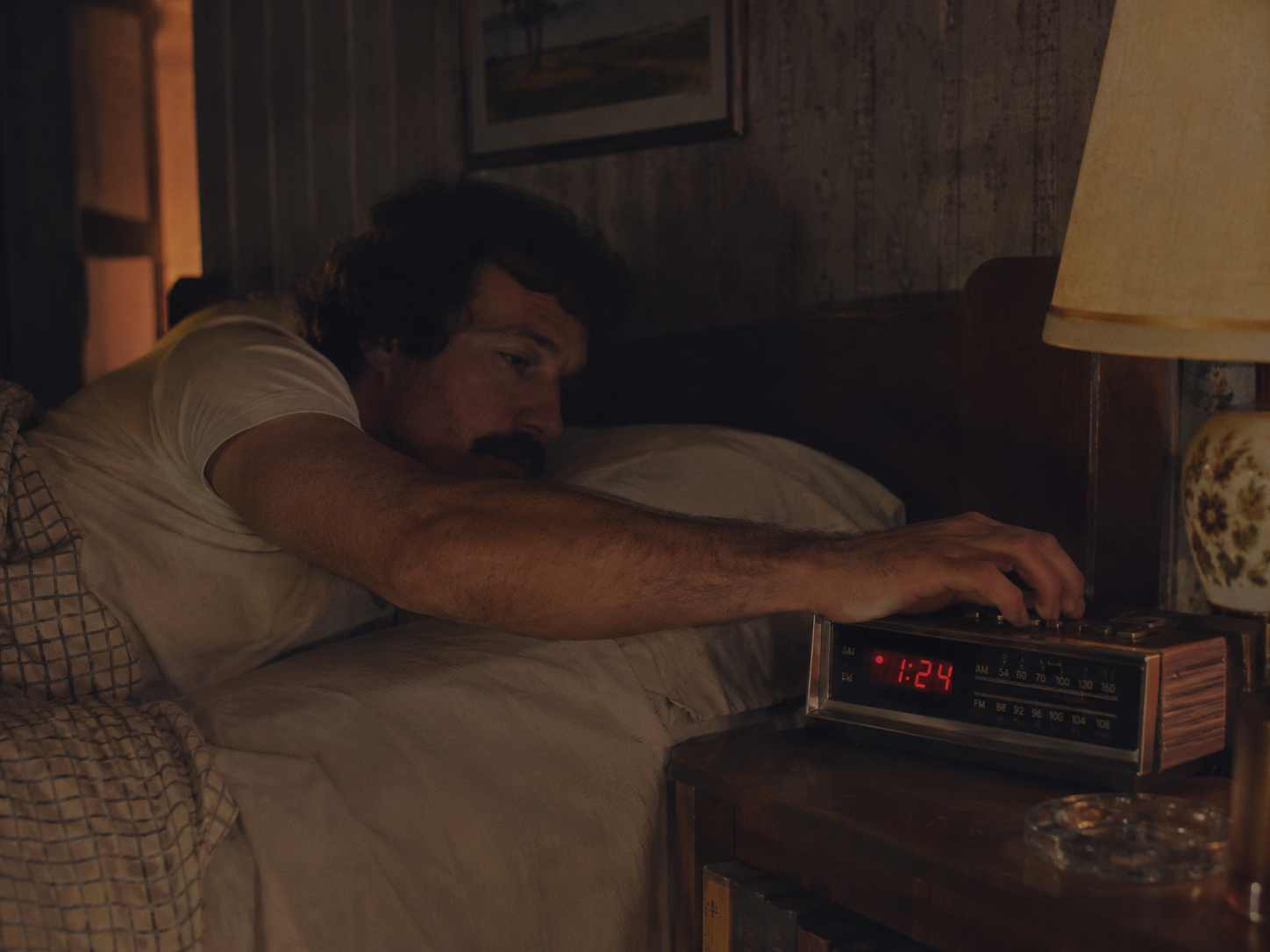
Before smartphones doubled as music players and alarm clocks, many Americans kept a clock radio on their nightstand. And when sleep wouldn’t come, switching it on was one of the easiest ways to find a little company. Depending on the station, you might hear soft rock, an overnight DJ taking requests, or a familiar song you hadn’t heard in years. There was something comforting about lying in the dark with nothing but the glowing red numbers of a digital clock and a radio announcer’s voice filling the room. Of course, you couldn’t choose exactly what you wanted to hear, but sometimes that was part of the appeal.
Reading a Paperback Until Their Eyes Got Heavy
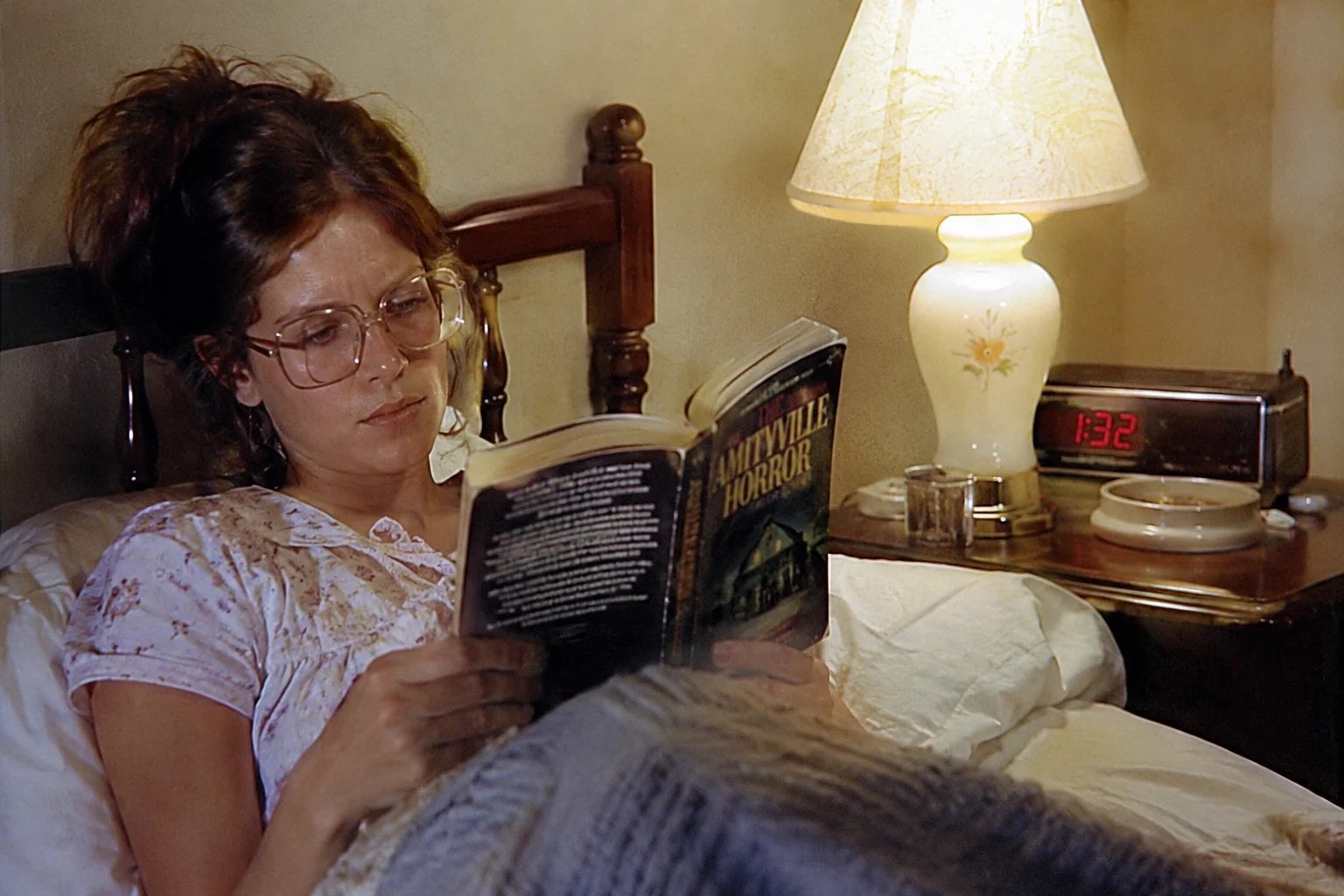
Long before people reached for their phones to read a few more posts, they reached for whatever paperback was sitting on their nightstand. Whether it was a Stephen King thriller, a romance novel, or a well-worn mystery, reading was an easy way to pass the time without waking up the rest of the household. Some people made it through several chapters before finally feeling sleepy, while others barely managed a few pages. And who doesn’t remember waking up the next morning with an open book resting on their chest and the bedside lamp still burning?
Watching Johnny Carson or Another Late-Night Talk Show
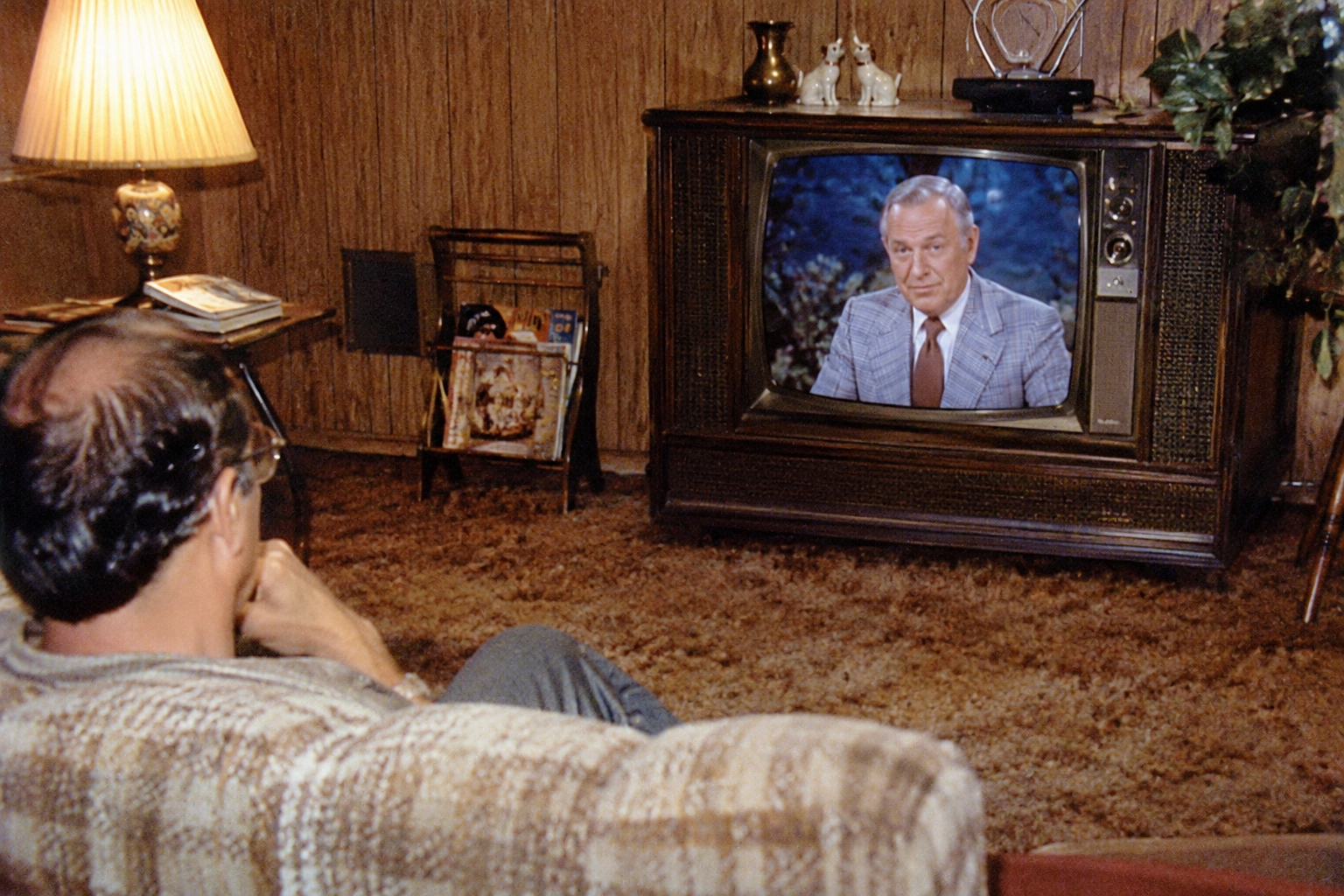
For generations of Americans, The Tonight Show Starring Johnny Carson was practically synonymous with staying up late. Airing from 1962 to 1992, the program offered everything from celebrity interviews and comedy sketches to musical performances, making it a familiar companion for anyone who wasn’t quite ready to turn off the television. Television Academy+1 And if you couldn’t sleep after Carson signed off? There was always the possibility of finding another late-night program. Sometimes, watching a familiar host chat with celebrities was enough to make an otherwise lonely night feel a little less quiet.
Flipping Through Channels Looking for Something Worth Watching
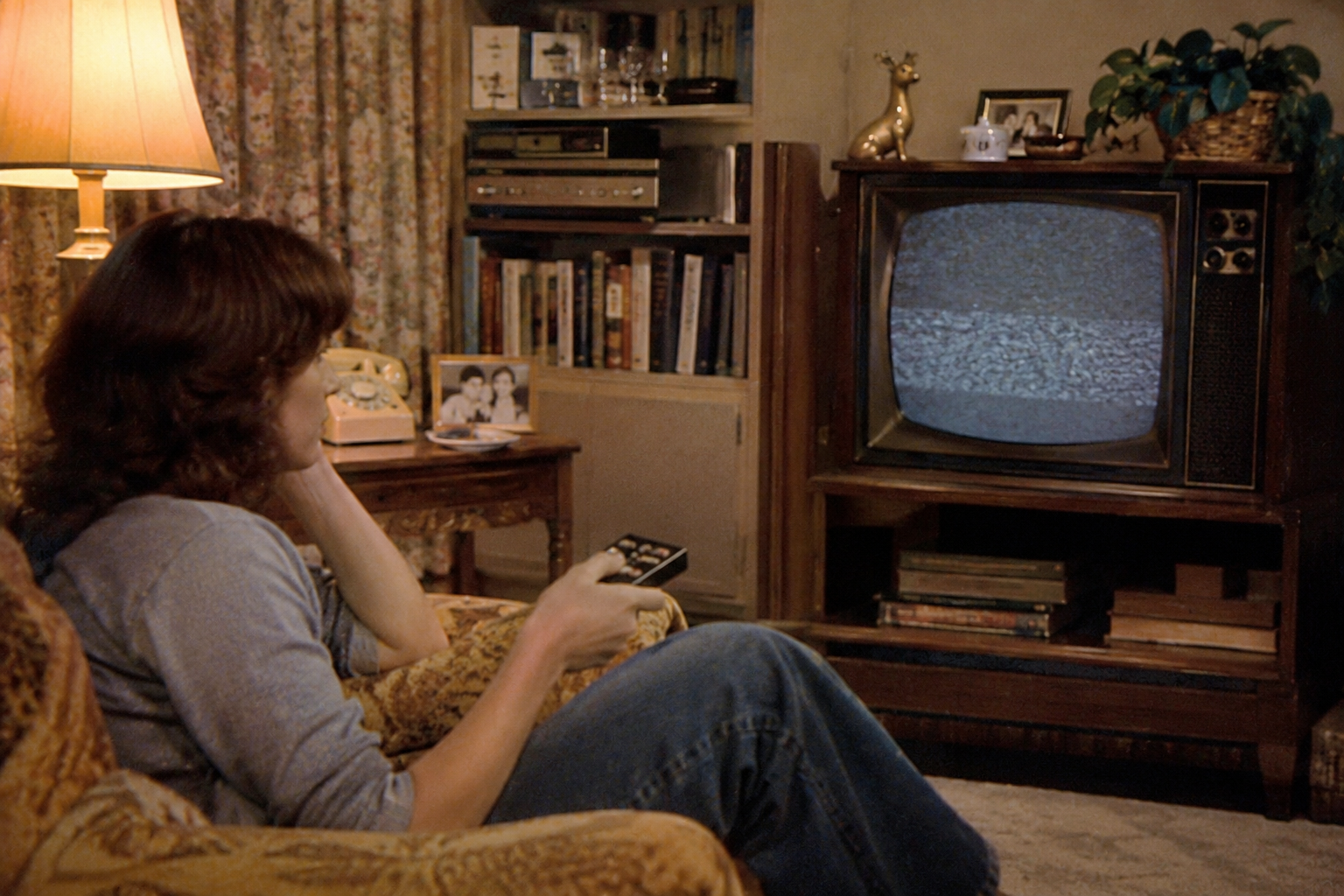
Before streaming services offered thousands of movies and television shows on demand, finding something to watch in the middle of the night required a little patience. You might flip through a handful of channels, check the printed TV listings, or settle for a movie that was already halfway over. Depending on the decade and where you lived, your options could include old sitcom reruns, local news, late-night movies, or infomercials. And if you stayed awake long enough, you might discover that some stations had stopped broadcasting altogether, leaving nothing but static, a test pattern, or a station identification screen.
Listening to an Entire Vinyl Album
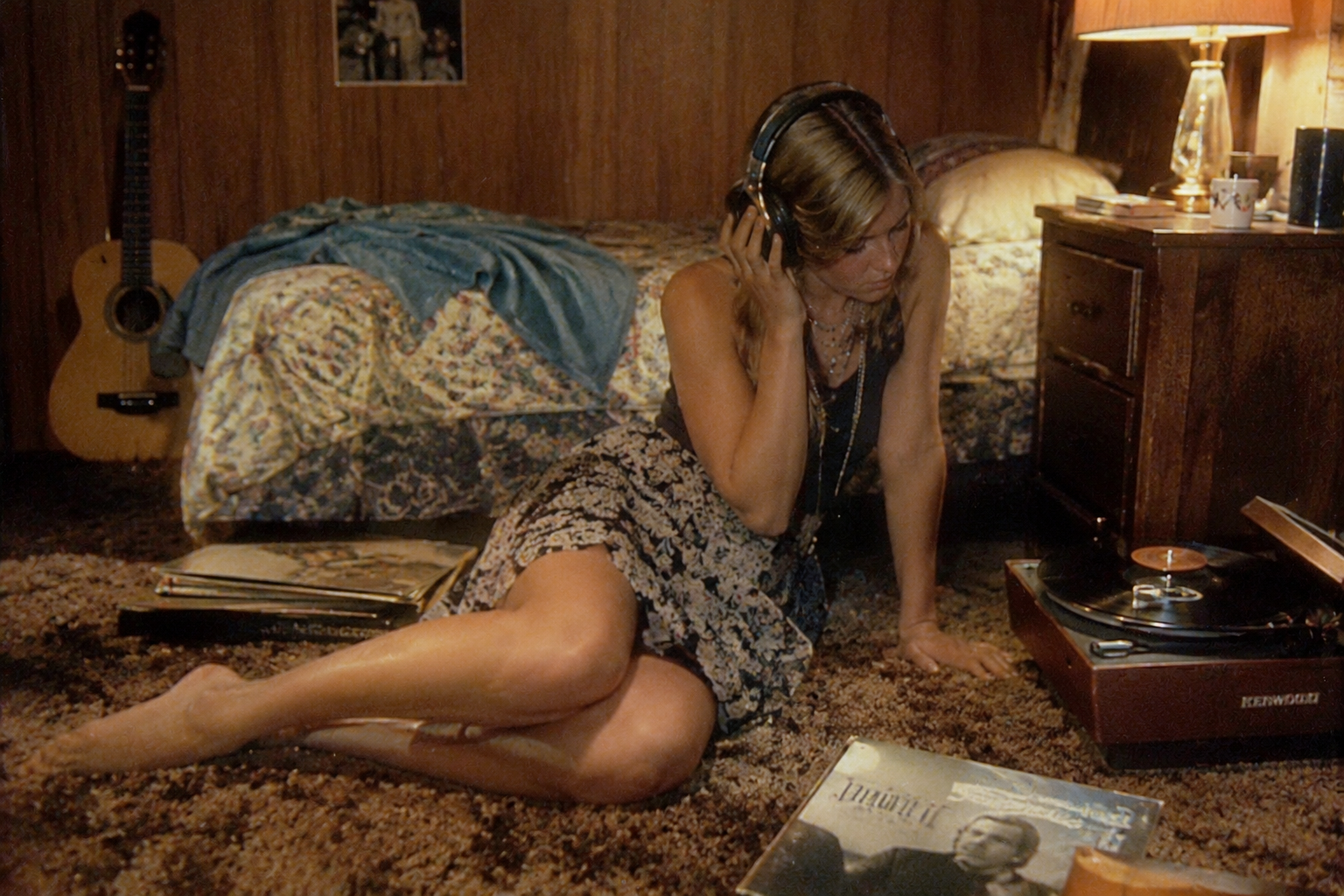
Sometimes, the best way to spend a sleepless night was to put on a favorite record and listen to it from beginning to end. Before endless playlists and music recommendations, choosing an album meant committing to whatever songs were on it, at least until you got up to flip the record over. Whether it was Fleetwood Mac, Simon & Garfunkel, or another favorite artist, listening to music in a quiet house could feel surprisingly personal. And there was something special about sitting alone with a pair of headphones, studying the album artwork, and hearing the faint crackle of vinyl between songs.
Making Warm Milk or a Cup of Herbal Tea
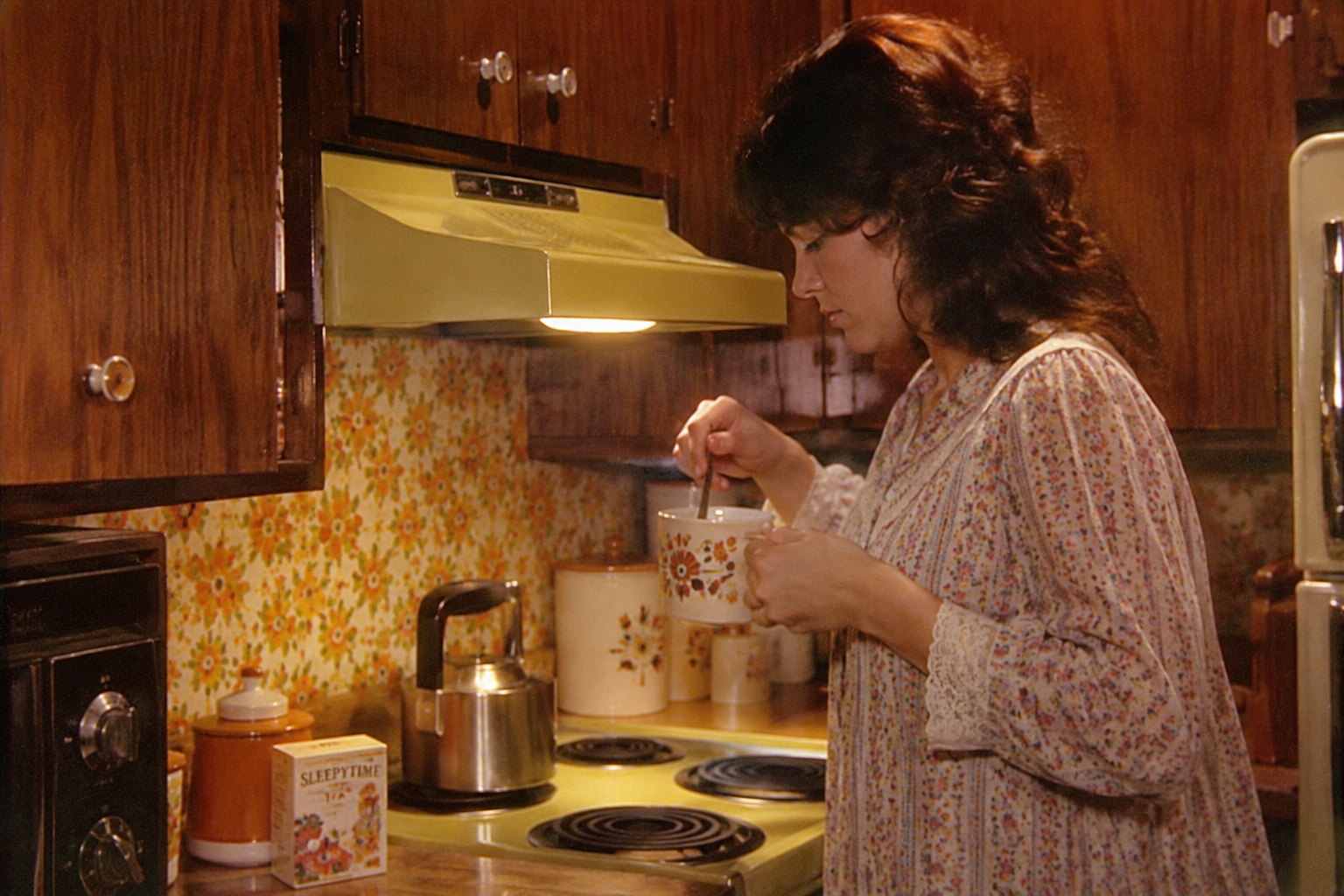
For anyone who grew up with a parent or grandparent recommending warm milk as the answer to practically every sleepless night, this one probably sounds familiar. When tossing and turning became unbearable, heading to the kitchen to heat up some milk or make a cup of chamomile tea was a comforting ritual. The house was usually completely quiet, except for the sound of the kettle or the refrigerator humming in the background. And while warm drinks aren’t a guaranteed cure for insomnia, there was something soothing about sitting at the kitchen table in your pajamas while the rest of the family slept.
Getting Up to Do a Crossword Puzzle
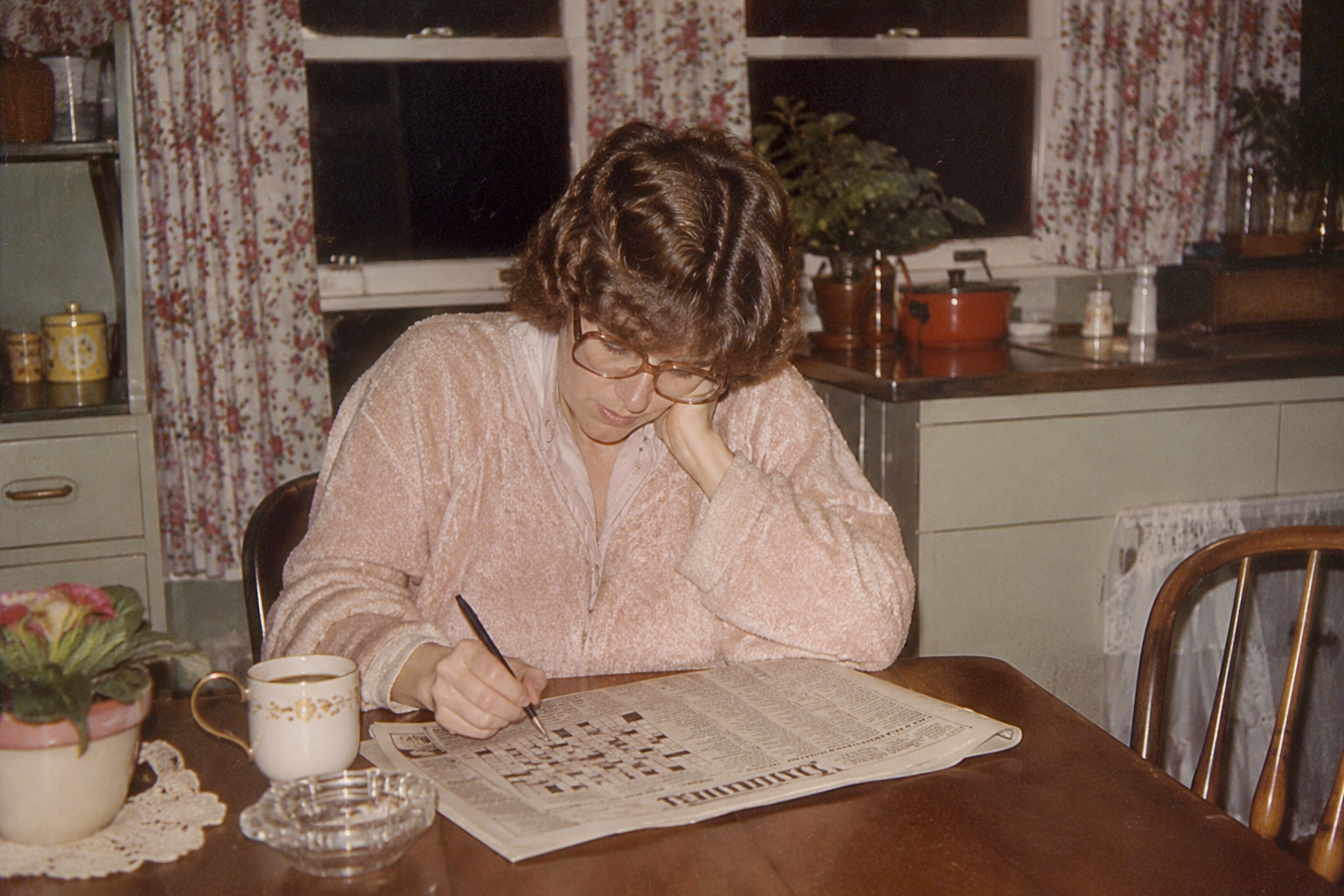
Before Wordle and other online puzzles, restless people had to rely on newspapers, crossword books, and the occasional puzzle magazine to keep their minds occupied. If sleep wasn’t happening, you could always grab a pencil and work through a few clues at the kitchen table or under a bedside lamp. Some people even kept unfinished crossword puzzles around for days, returning to them whenever they had a few spare minutes. Of course, there was always the danger of getting so determined to solve that one impossible clue that you ended up staying awake even longer than you’d planned.
Counting Sheep or Trying Other Mental Tricks
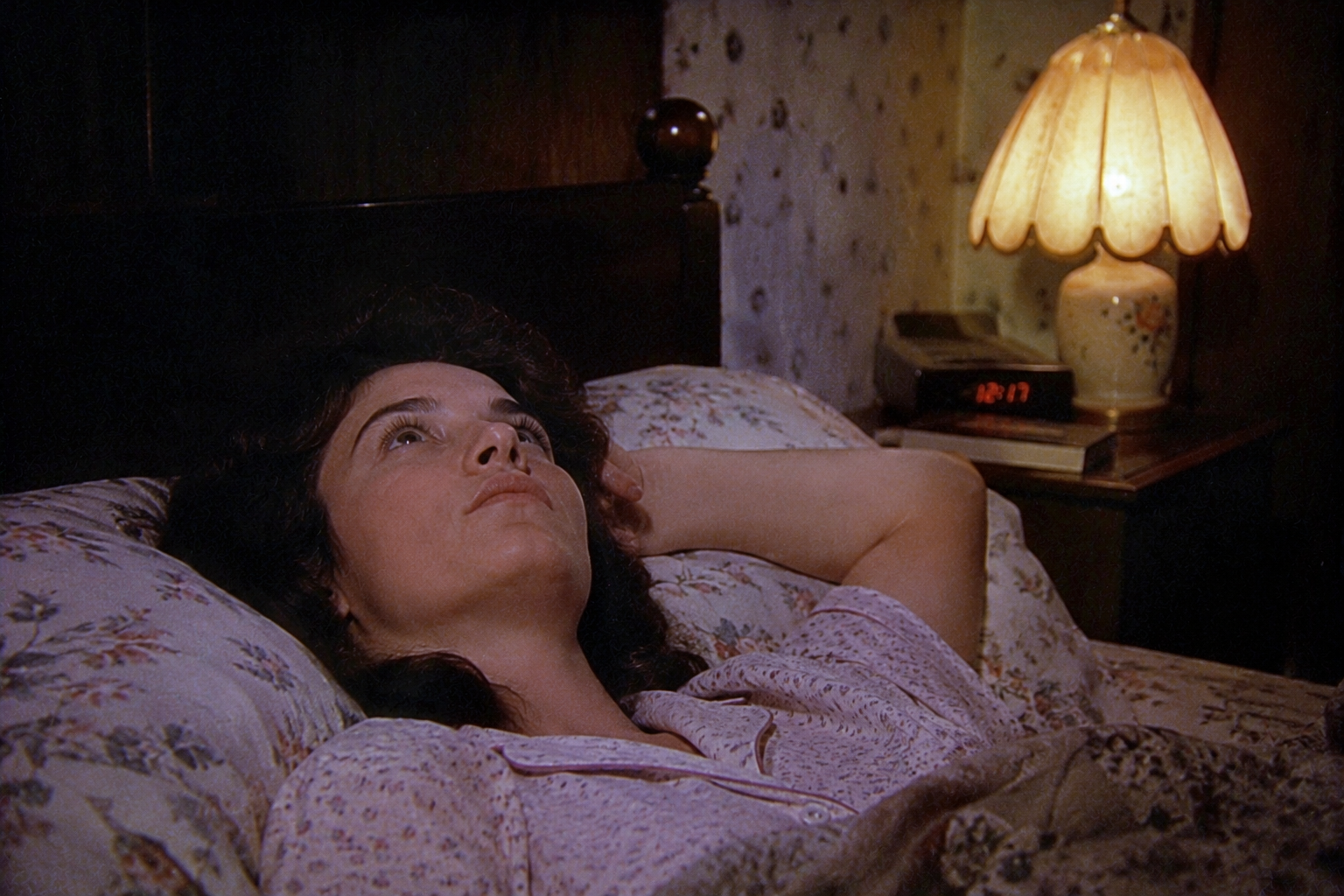
Long before meditation apps and guided sleep podcasts, people had to come up with their own ways to quiet a racing mind. Counting sheep was probably the most recognizable trick, although some people preferred counting backward, imagining peaceful landscapes, or mentally repeating familiar phrases. The idea was simple enough: Give your brain something repetitive to focus on until you drifted off. Whether it actually worked was another story. Plenty of people probably remember reaching sheep number 347 before realizing they were now worrying about how exhausted they’d feel at work the next morning.
Sign up for our newsletter
Subscribe to Cheapism and get exclusive tips, top deals, and money-saving ideas sent directly to you.
Getting Out of Bed to Write in a Diary
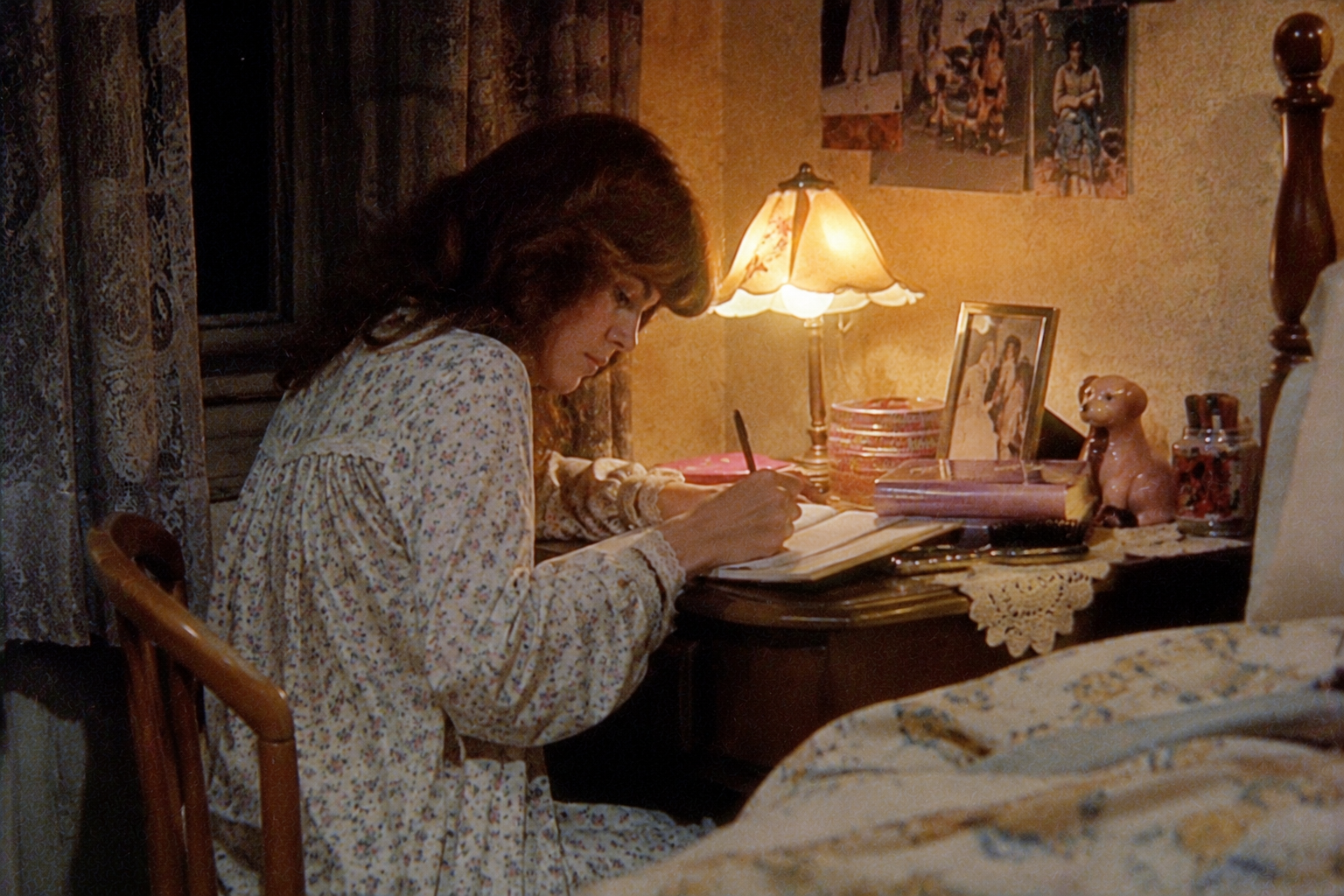
Sometimes, the reason you couldn’t sleep had less to do with being restless and more to do with having too much on your mind. Before notes apps and digital journals, that often meant pulling out a notebook and writing everything down by hand. Some people kept diaries beside their beds, filling the pages with worries about work, relationship problems, or plans for the following day. Others simply wrote whatever came to mind until they felt ready to try sleeping again. Looking back at those entries years later could be an experience of its own, especially when a problem that seemed enormous at 3 a.m. turned out to be completely forgettable.
Looking Through Old Photo Albums
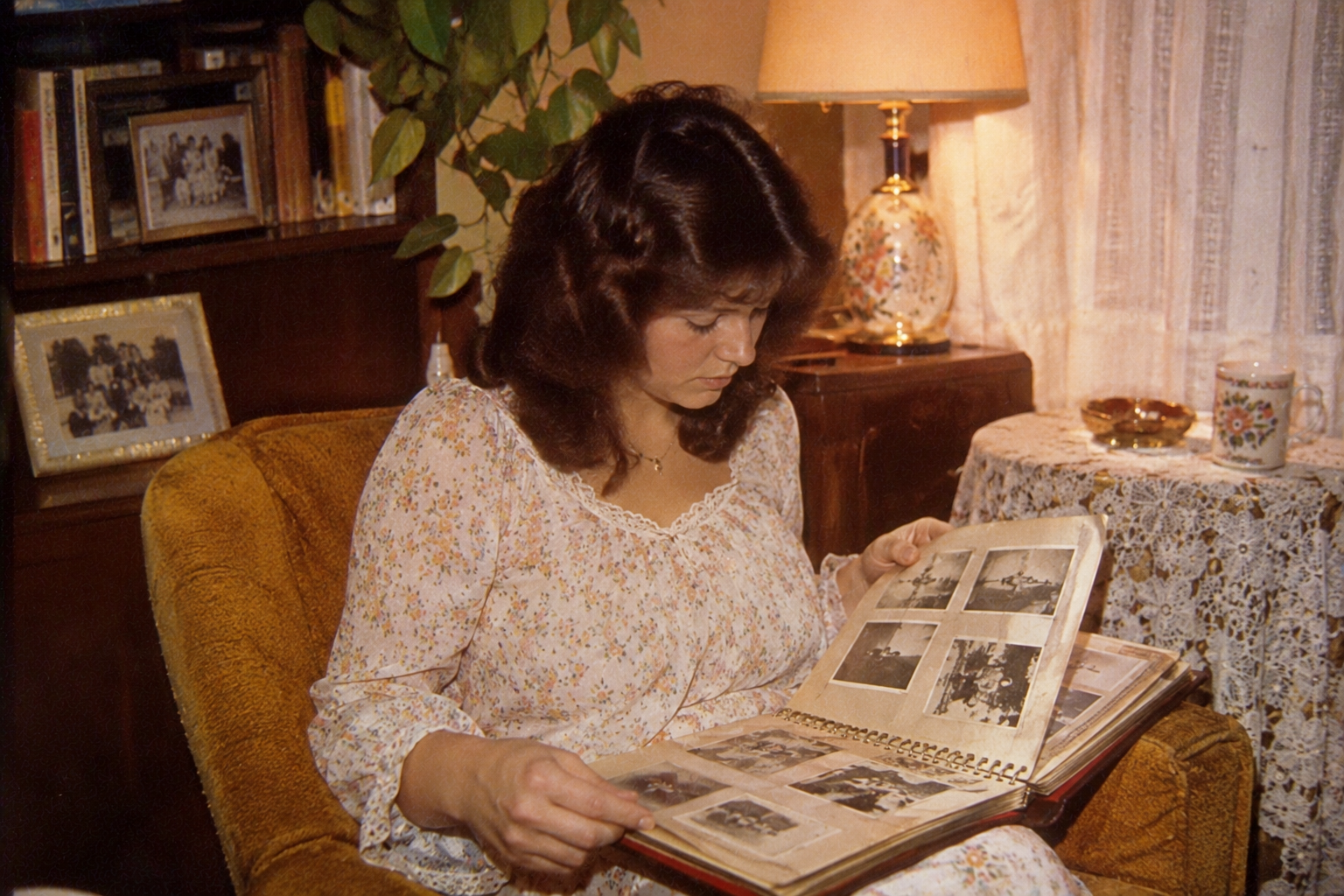
A sleepless night could also turn into an unexpected trip down memory lane. Before thousands of photographs lived on our phones, family memories were usually stored in bulky albums, envelopes, or shoeboxes tucked away in closets. If you couldn’t sleep, you might pull out a stack of old pictures and spend an hour revisiting childhood vacations, family weddings, or relatives you hadn’t seen in years. There was something particularly nostalgic about flipping through faded photographs in the middle of the night, especially when you stumbled across a picture you hadn’t thought about in decades.
Listening to the Radio Call-In Shows That Came on After Midnight
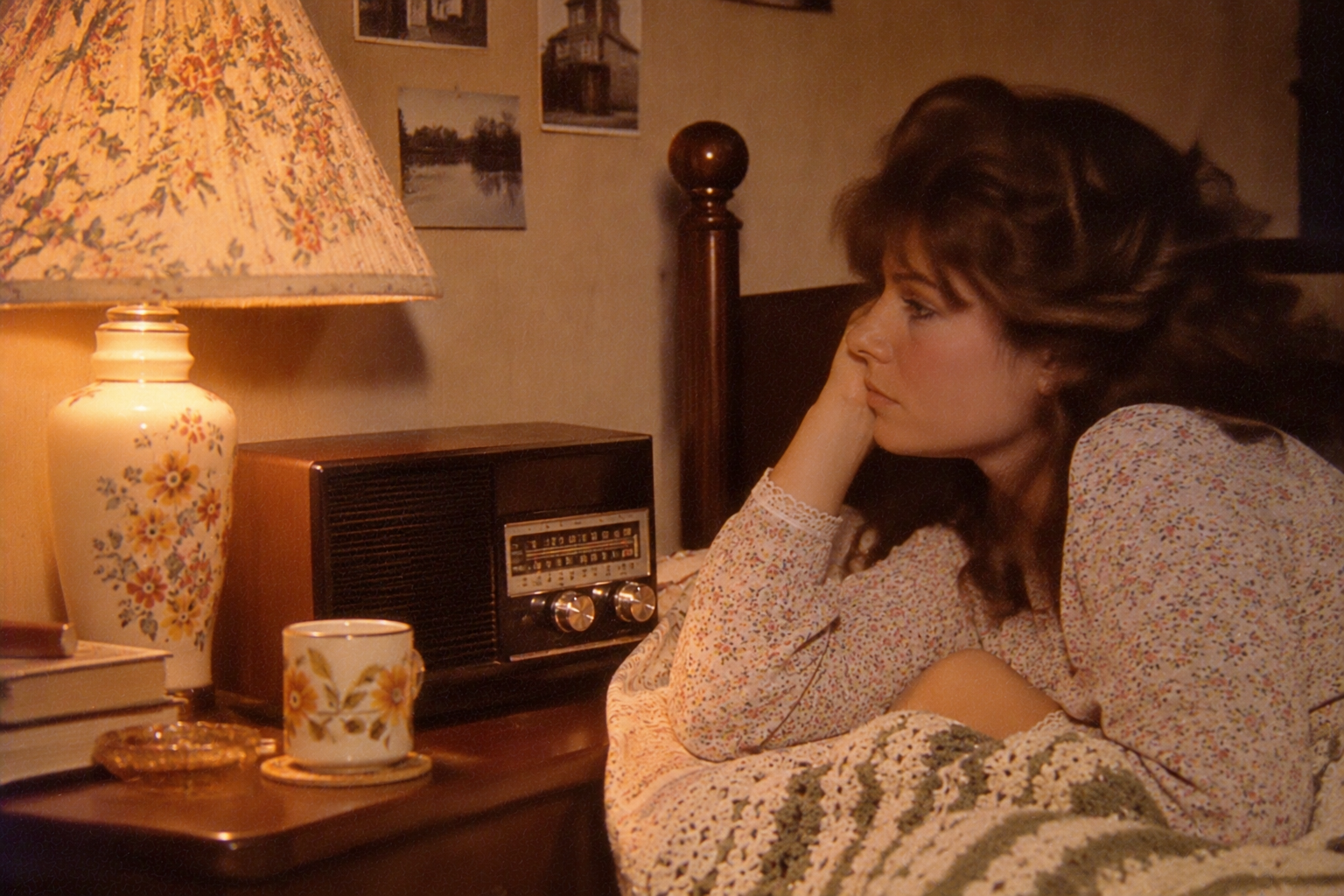
For people who couldn’t sleep, overnight talk radio offered something that regular music stations didn’t: the sound of other people having conversations. Programs like The Larry King Show, which began airing nationally in 1978, featured interviews and calls from listeners discussing everything from politics to personal problems. World Radio History+1 You never knew whether the next caller would have a fascinating story, an unusual question, or an opinion that would keep you listening for another hour. And for someone lying awake while everyone else was sleeping, hearing strangers talk could make the night feel a little less lonely.
Giving Up and Doing a Quiet Household Chore
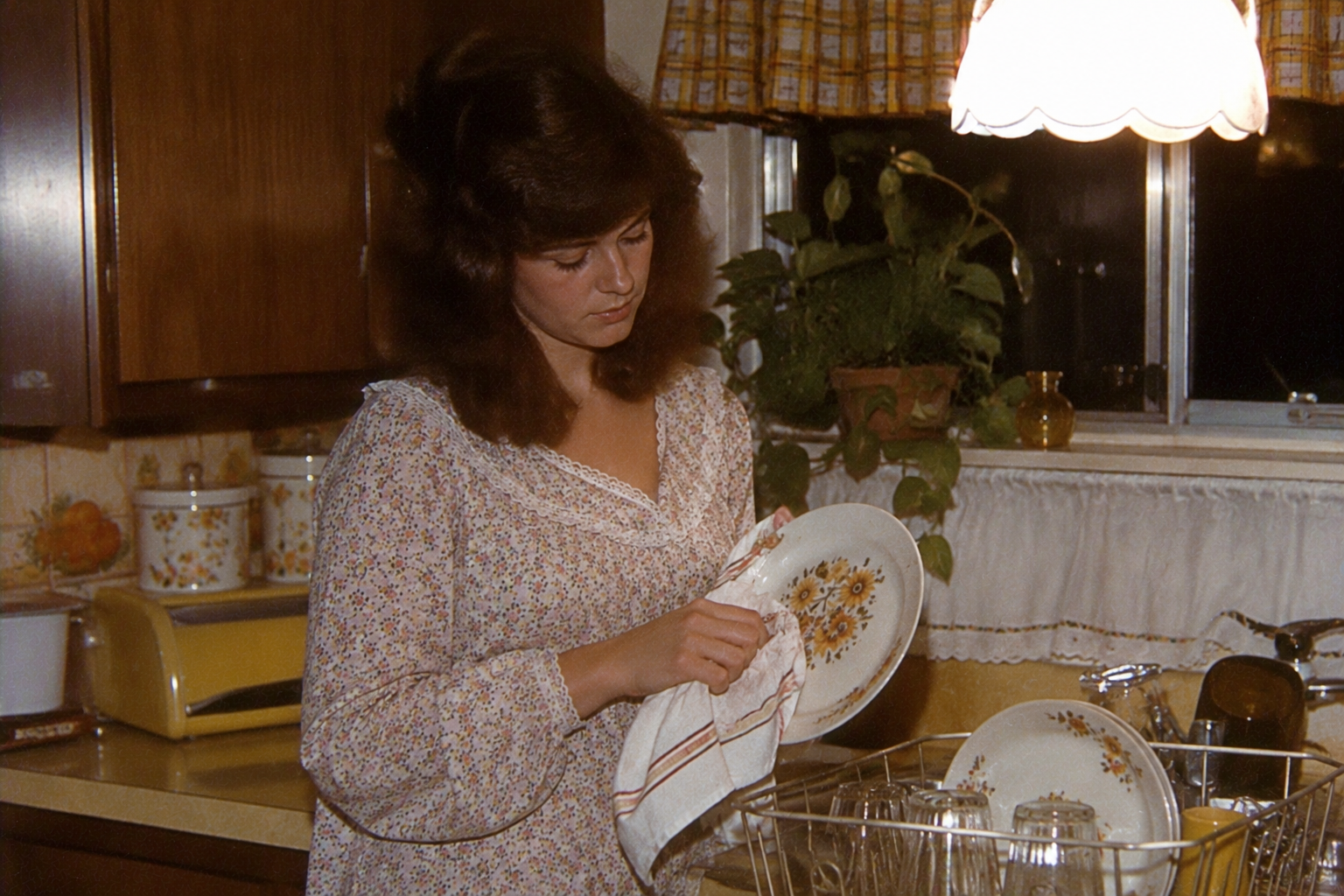
Sometimes, after hours of tossing and turning, people simply gave up on trying to fall asleep and decided to do something productive instead. That might mean folding a basket of laundry, washing the dishes left in the sink, organizing a cluttered drawer, or straightening up the living room. Without a smartphone offering an endless supply of distractions, there was always some small household task waiting to be done. Of course, cleaning the kitchen at 2 a.m. wasn’t necessarily an effective sleep remedy, but at least you could wake up the next morning with one less chore on your to-do list. For people dealing with persistent insomnia today, treatments like cognitive behavioral therapy for insomnia are more reliable than relying on nighttime distractions. NHLBI, NIH
When Sleepless Nights Were a Little Simpler
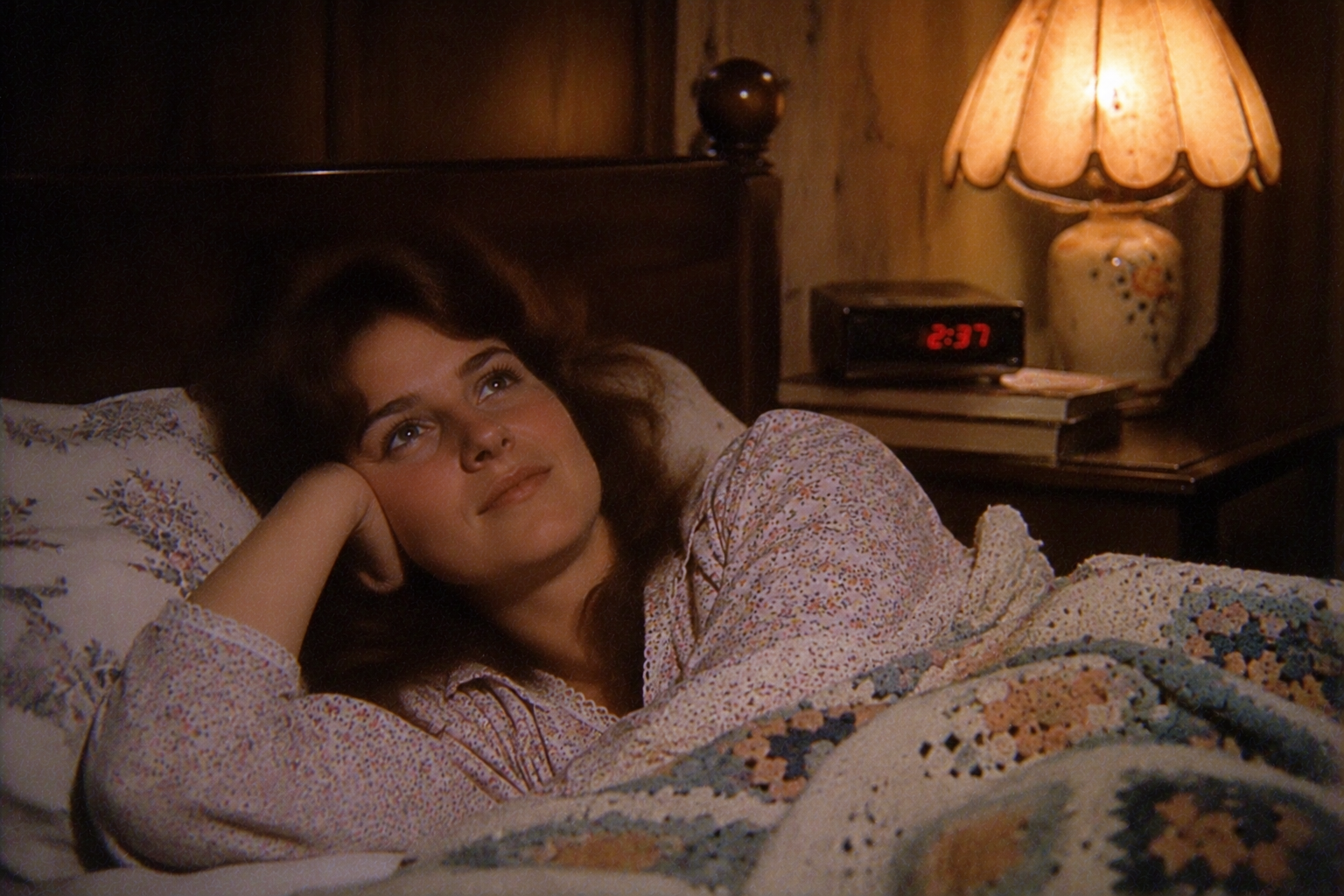
Being unable to sleep was never particularly enjoyable, but there was something different about those quiet hours before smartphones became part of everyday life. Whether you spent them listening to the radio, reading a paperback, or wandering into the kitchen for a warm drink, your options were usually limited to whatever you already had around the house.
And while that doesn’t mean people necessarily slept better in the past, it’s easy to feel nostalgic for a time when being awake at 2 a.m. didn’t automatically mean reaching for a glowing screen and scrolling until sunrise.