









Riese et al. (2014) described a lack of upper-troposphere/lower-stratosphere observations with sufficient three-dimensional resolution. Their review reported that the aircraft-based GLORIA limb imager could obtain vertical resolution as fine as about 300 m (980 feet) and horizontal resolution of roughly 30 × 30 km (19 × 19 miles), allowing researchers to examine small-scale structures associated with stratosphere-troposphere exchange, cirrus, polar chemistry and gravity waves.
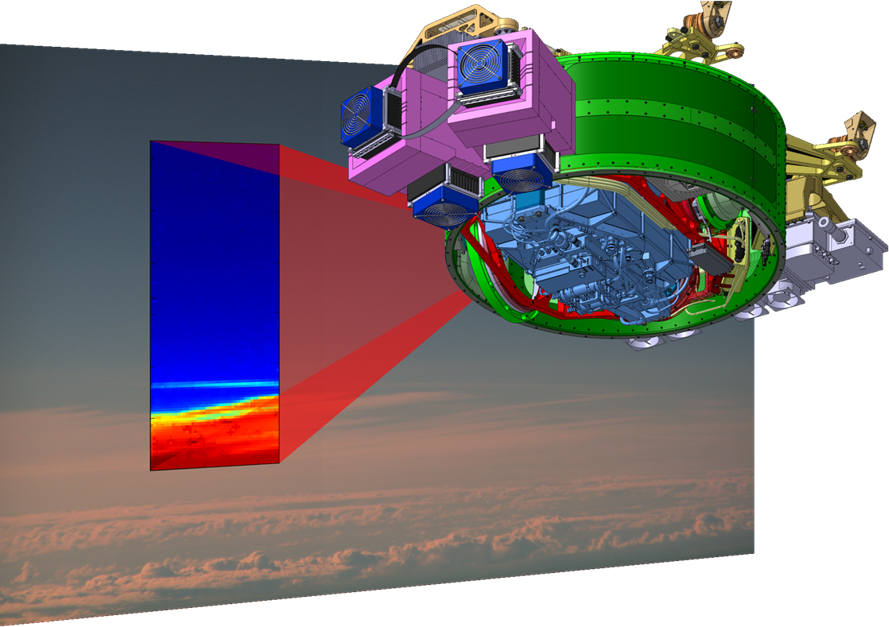
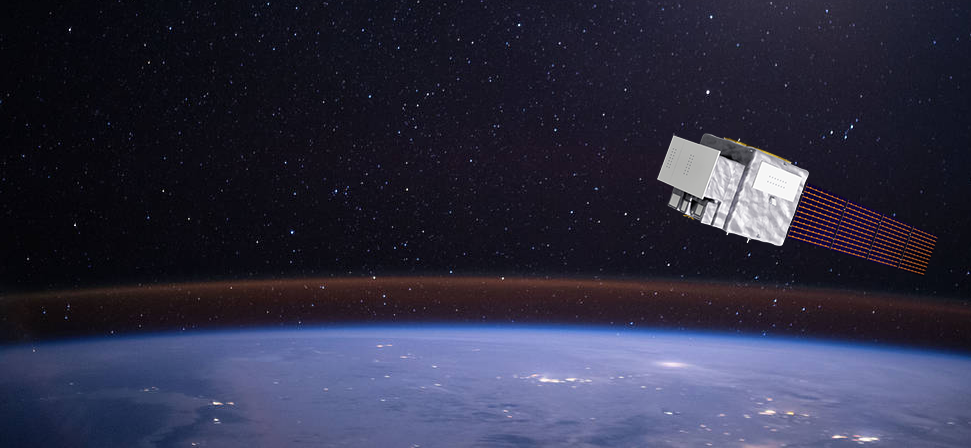
STRIVE — Stratosphere Troposphere Response using Infrared Vertically-resolved light Explorer — is designed to extend dense vertical profiling to a near-global orbital observing system. NASA says the mission would measure temperature, ozone, trace gases, aerosols and clouds from the upper troposphere through the stratosphere at about 1 km (0.6 miles) vertical resolution, producing more than 400 000 profiles each day.
How STRIVE would measure the atmosphere
Both instruments would observe Earth’s limb, measuring radiation along a slanted path near the horizon rather than primarily looking downward at the surface. NASA says limb viewing increases sensitivity to fine vertical structure in trace gases, aerosols and thin clouds and provides greater vertical resolution than nadir-viewing observations.
The Advanced Limb Infrared Chemistry Experiment (ALICE) is designed as a limb-scanning imaging Dyson spectrometer operating in thermal and mid-wave infrared wavelengths during both day and night. Planned retrievals include ozone, atmospheric gases, temperature, aerosol extinction, thin cirrus clouds, polar stratospheric clouds and the top heights of cloud or aerosol plumes.
The Aerosol Radiometer for Global Observations of the Stratosphere (ARGOS) is designed as a daytime limb-profiling radiometer at 0.87 and 1.55 µm. NASA says ARGOS would observe through eight apertures to add spatial context and aerosol microphysical information to ALICE measurements.
NASA plans to place STRIVE in a Sun-synchronous orbit with coverage from approximately 82°N–82°S during a three-year research mission. The agency identifies a Northrop Grumman LEOStar-2 spacecraft for the observatory and says the mission would combine an infrared imaging spectrometer and a near-infrared multidirectional radiometer in the same polar-orbiting mission.
Pollution and atmospheric transport
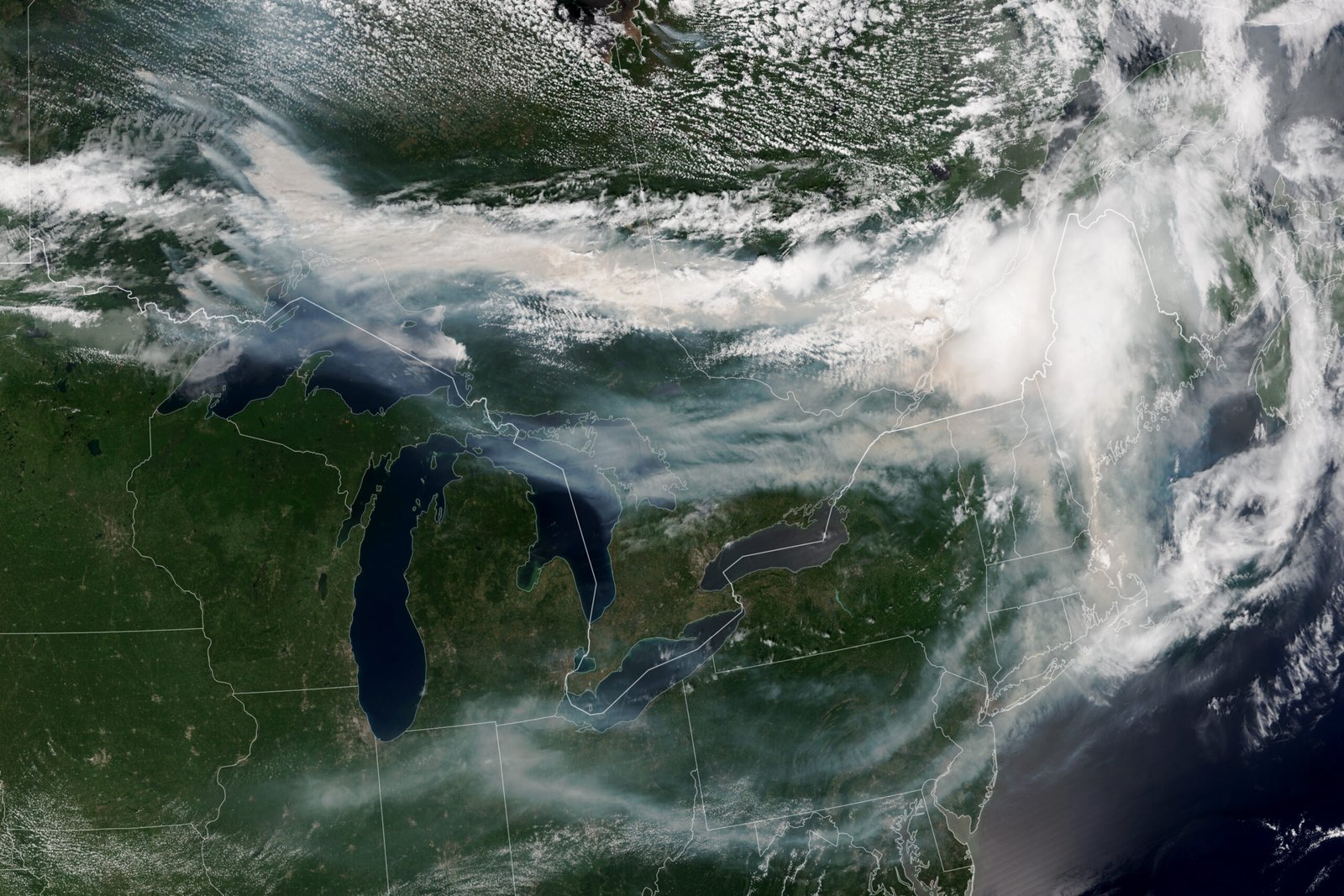
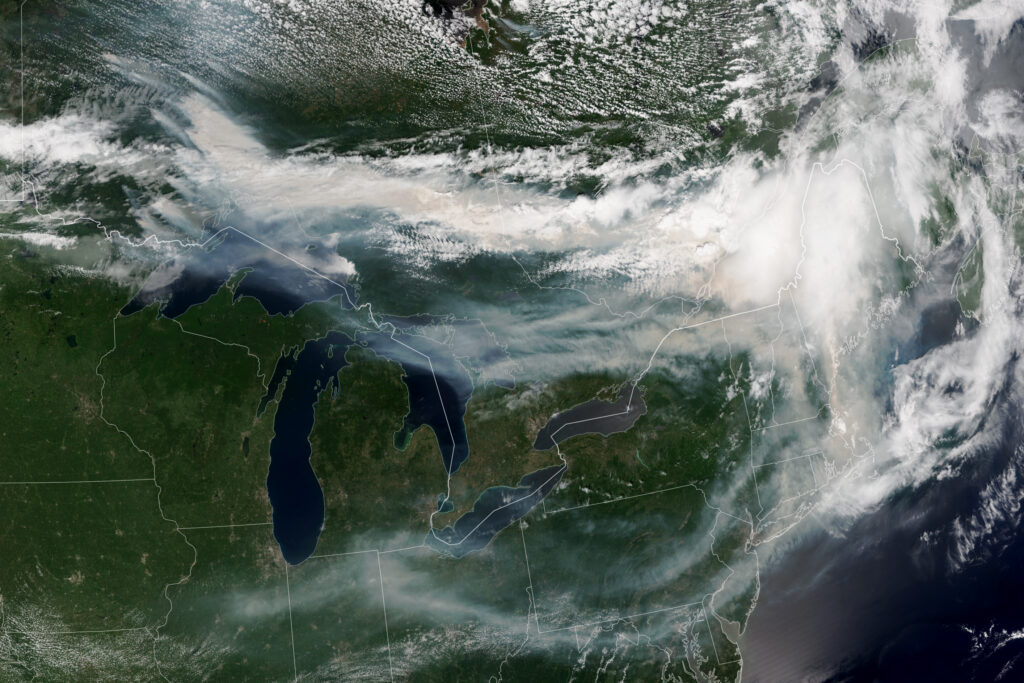
One planned application is tracking material transported high through the atmosphere. NASA identifies urban emissions, wildfire smoke and dust among the targets relevant to STRIVE and says the measurements are intended to show how material spreads far from its source as atmospheric circulation redistributes it.

Ozone, aerosols and high-altitude plumes
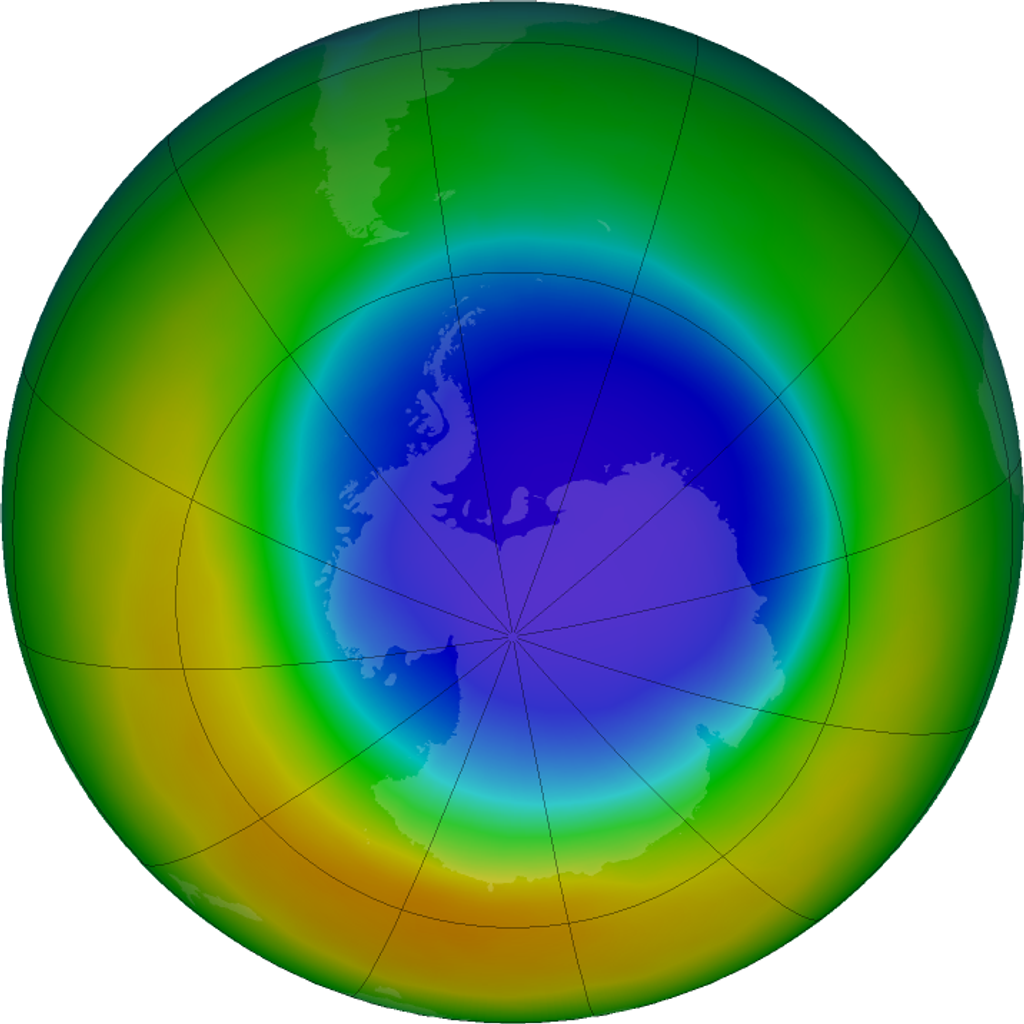
NASA also identifies ozone-layer recovery as a STRIVE science objective. Ozone changes reflect both atmospheric chemistry and circulation, and the mission is designed to measure ozone alongside temperature, trace gases and aerosols so researchers can examine changes by altitude and geographic location.
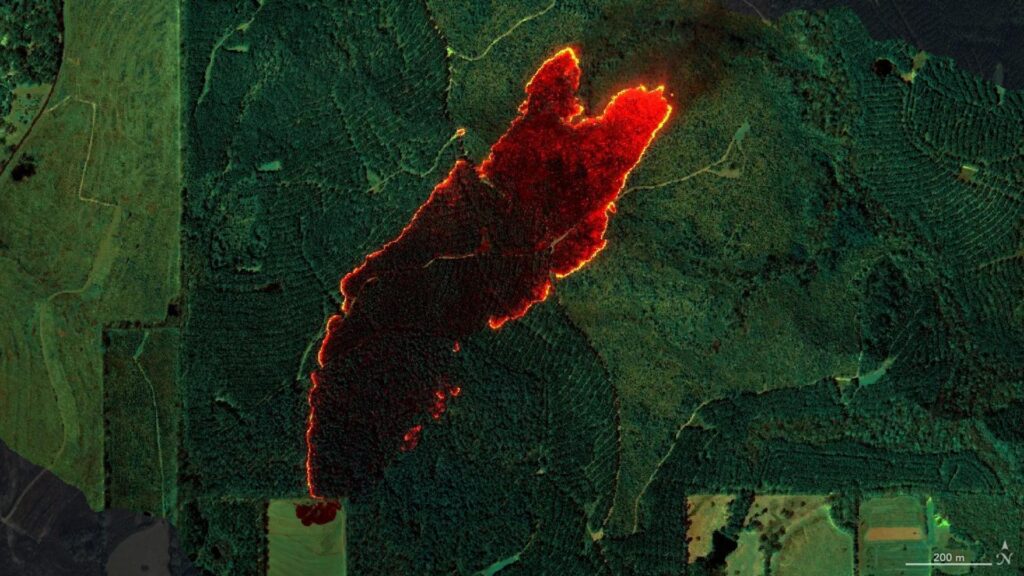
Dense limb sampling is also intended to resolve smaller atmospheric structures associated with convective outflow, gravity waves, large fires and volcanic eruptions. NASA says the mission would measure aerosols and plume-top heights, observations relevant to tracking material injected into the upper troposphere or stratosphere.
Forecasting remains a mission objective
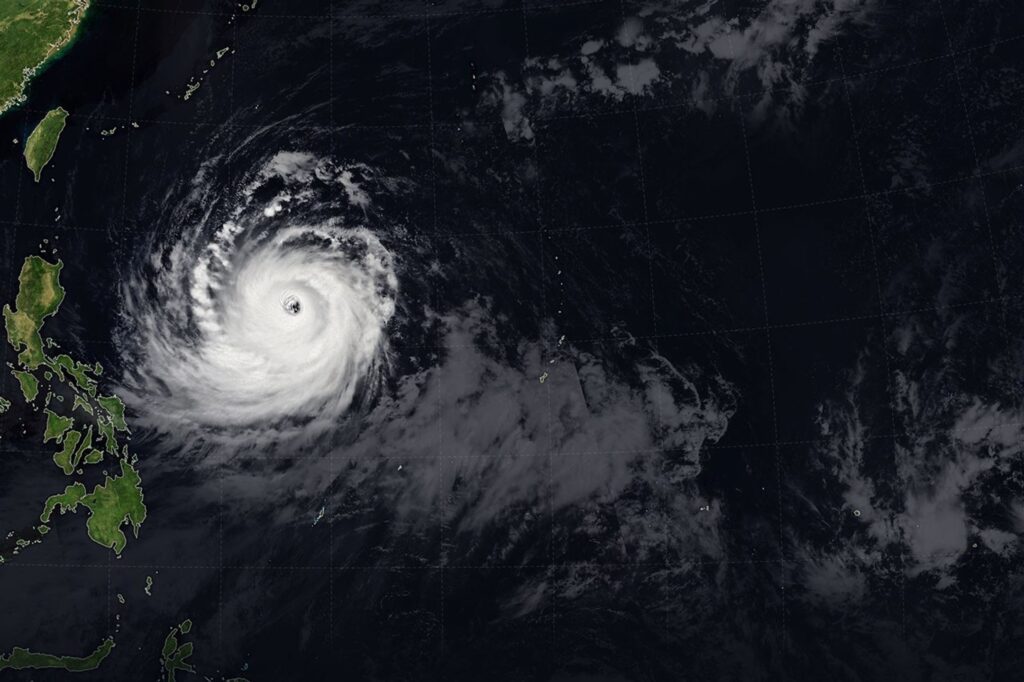
NASA says STRIVE observations are intended to improve representation of upper-atmosphere processes in future weather, climate and air-quality models and extend predictive skill from days toward seasonal timescales. Those benefits remain objectives: STRIVE has not launched, its instruments have not returned orbital observations and no operational forecast improvement from the mission has yet been measured.
Mission status
NASA selected STRIVE for continued development under the Earth System Explorers Program on February 5, 2026. The mission is led by Lyatt Jaeglé at the University of Washington in Seattle and remains subject to a NASA confirmation review in 2027, when the agency will assess technical progress and the availability of funds.
If confirmed, NASA says STRIVE’s total estimated mission cost, excluding launch, would not exceed USD 355 million. The formal selection announcement places launch no earlier than 2030, making the 2027 confirmation review the next major programmatic decision point before the planned observing system can proceed toward flight.
References:
1 Riese, M., Oelhaf, H., Preusse, P., Blank, J., Ern, M., Friedl-Vallon, F., Fischer, H., Guggenmoser, T., Höpfner, M., Hoor, P., Kaufmann, M., Orphal, J., Plöger, F., Spang, R., Suminska-Ebersoldt, O., Ungermann, J., Vogel, B., & Woiwode, W. (2014). Gimballed Limb Observer for Radiance Imaging of the Atmosphere (GLORIA) scientific objectives. Atmospheric Measurement Techniques, 7, 1915–1928. https://doi.org/10.5194/amt-7-1915-2014
2 STRIVE – NASA Science – November 11, 2026
3 NASA Selects Two Earth System Explorers Missions – NASA – February 5, 2026