



Physical Activity Intentions Compensate for Low Self-Regulation in Young

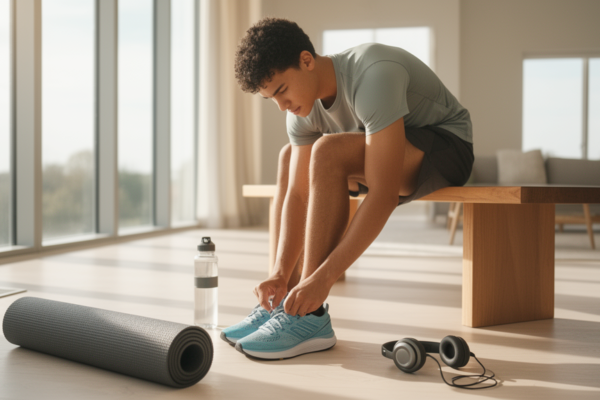
Momentary physical activity intentions most strongly predict subsequent movement when a person’s self-regulatory capacity is lower than usual or generally low, acting as a compensatory mechanism rather than an augmenting one, according to an observational ecological momentary assessment study of young adults. The investigation addressed the recognized intention-behavior gap in physical activity, where stated goals…

Read Full News

Ethics and AI Use in Medical Practice: American College of Physicians Releases Position Statement

Self-governance maintains physicians should use their independent clinical judgment and identify bias proactively rather than defer entirely to an AI output. Competence addresses the risk of deskilling; the paper warns that overreliance on AI tools could erode diagnostic and clinical skills, particularly among trainees and less experienced physicians. Position Statements The paper translates the 3…

Read Full News

Magnetar leads $500m round for edge AI infrastructure maker; Vine Ventures, Stage 2 close VC funds

Deal flow slowed for the Veterans Day holiday, but venture capital stayed busy. Magnetar led a growth financing for a U.S. maker of distributed power and AI computing infrastructure, while Vine Ventures and Stage 2 Capital closed new funds. PE deals in Asian grocery retail, specialty chemicals and home infusion services, plus research and industrial…

Read Full News